Tarot began as a card game
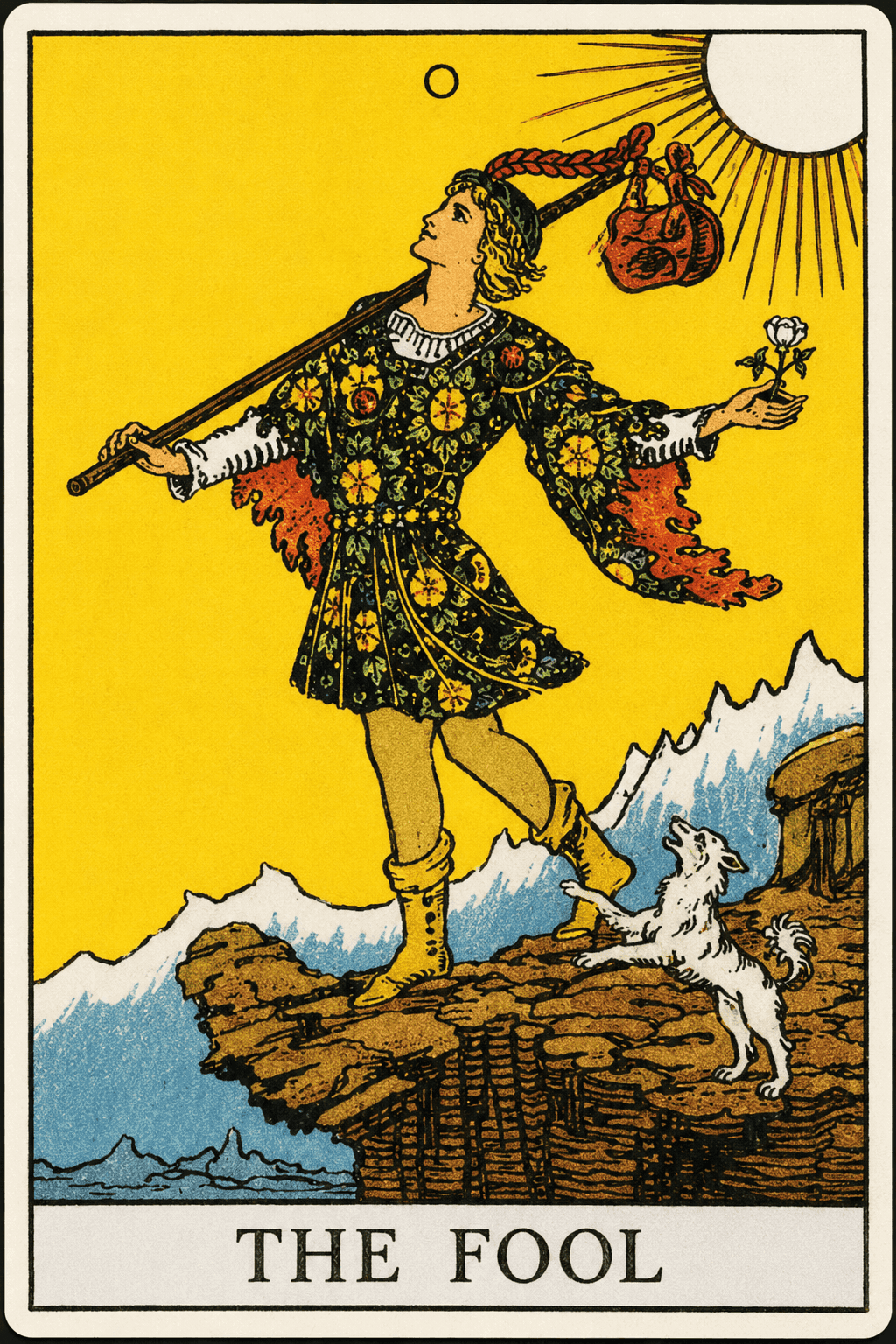
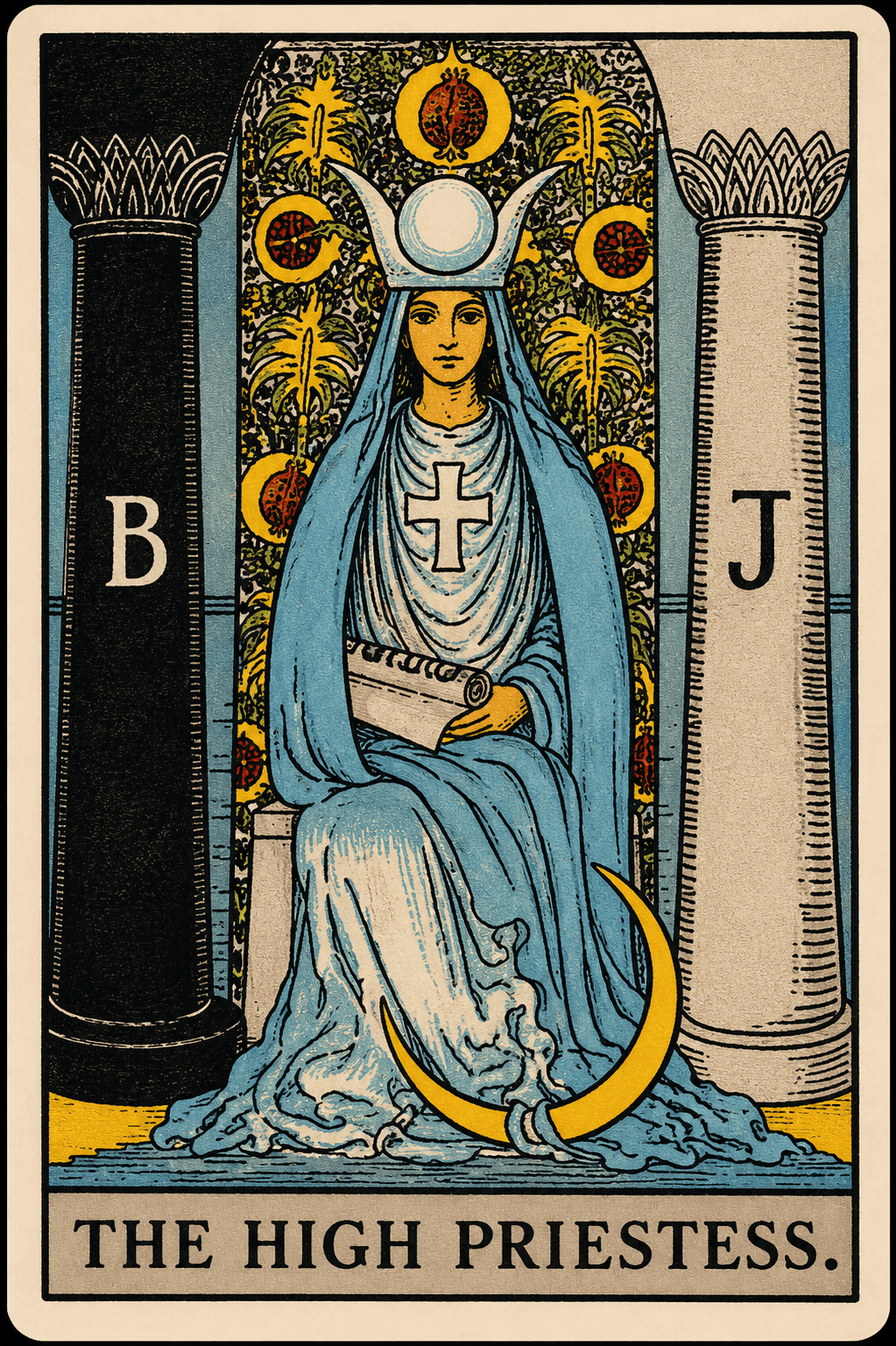
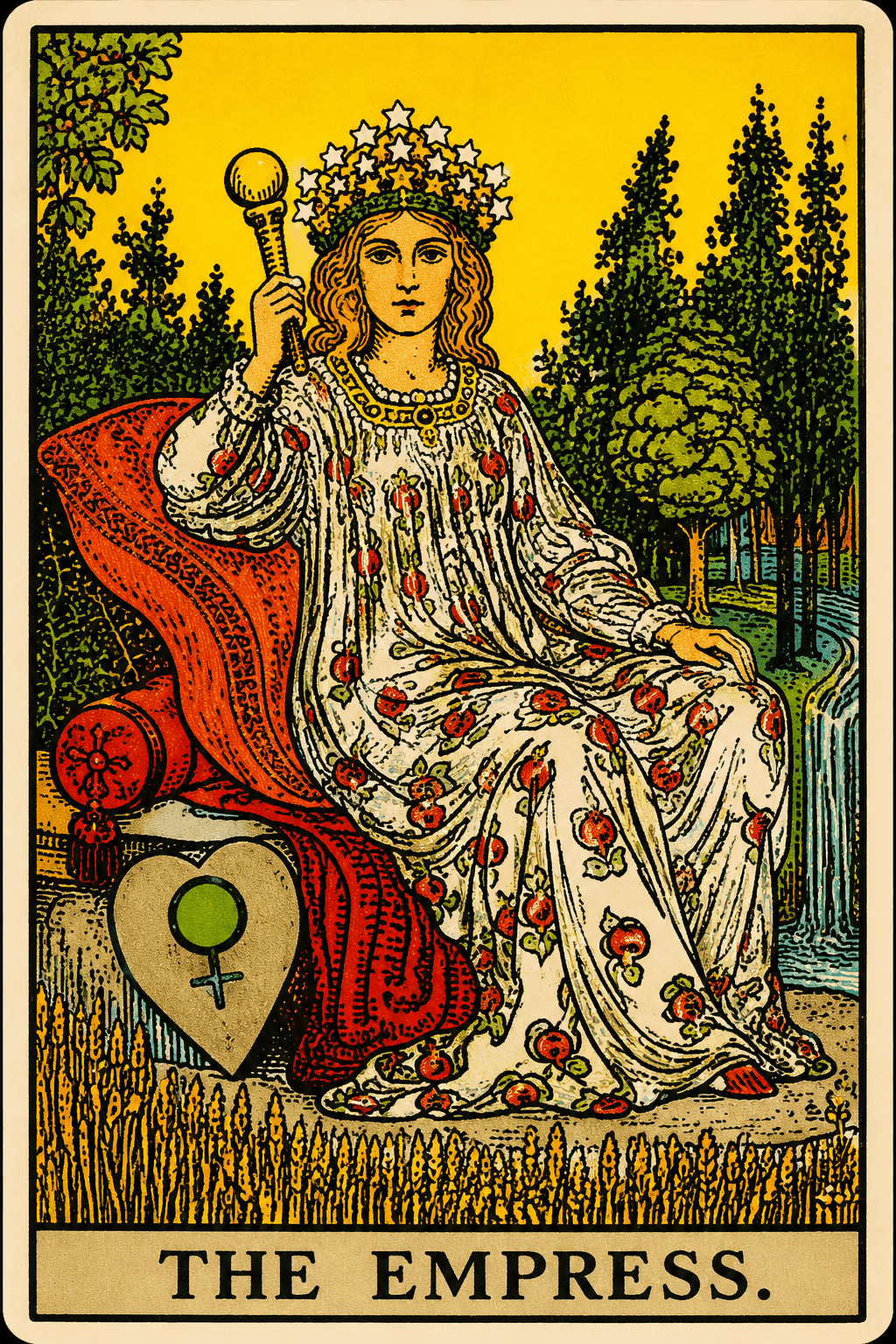
The earliest surviving tarot decks are fifteenth-century Italian and were made for a trick-taking game, tarocchi, related to bridge. The trump suit that became the Major Arcana was a game mechanic before it was anything else, and the game is still played in parts of Europe today. Divinatory use appears in the historical record around the eighteenth century, roughly 300 years later.
This matters for the question because it means tarot has no ancient religious origin to conflict with anything. The occult lineage people associate with the cards (Egyptian mysteries, Kabbalistic correspondences) was attached in the eighteenth and nineteenth centuries by writers who believed it, and it was a later addition rather than the source.
The claim is what varies, not the deck
Whether a religious objection applies depends almost entirely on what a reading is taken to be doing. A practice that claims to reveal a fixed future, or to contact something that supplies information, makes a metaphysical claim, and several traditions have specific objections to exactly that. A practice that treats 78 images as prompts for structured self-reflection makes no such claim, and the objection has much less to attach to.
This is not a lawyer's distinction. The two practices genuinely differ in what they assert, and someone weighing tarot against their faith is entitled to know which one is on offer.
Where the major traditions stand
Christian positions vary considerably by denomination. The Catholic Church's catechism objects to divination, attempts to unveil the future or command hidden powers, as inconsistent with trusting providence, and many Protestant traditions cite Deuteronomy 18 on the same grounds. Neither addresses reflective or psychological use of imagery, and Christians who use tarot as a contemplative prompt generally locate themselves in that gap.
In Islam, mainstream scholarship treats fortune-telling and claims to knowledge of the unseen as impermissible, on the basis that such knowledge belongs to God alone. Jewish tradition similarly prohibits divination while housing a substantial mystical tradition of its own, and Reform and Orthodox positions on contemporary practices differ. In dharmic traditions there is generally no equivalent prohibition, and divinatory practices have long histories within them.
None of this is advice about what you should conclude. It is the landscape, and the specifics of any tradition are a question for someone inside it rather than for a tarot site.
The honest position
If your objection is to claims about the future, that objection lands on predictive tarot and it lands correctly. We share it, for different reasons: nothing in a randomised draw connects to next month, and confident claims about an unknowable future change people's behaviour for the worse.
If your objection is to the imagery or the history, that is a different matter and the history is genuinely more mundane than its reputation. And if you conclude that any use conflicts with your faith, that is a coherent position and there is nothing here that should talk you out of it.