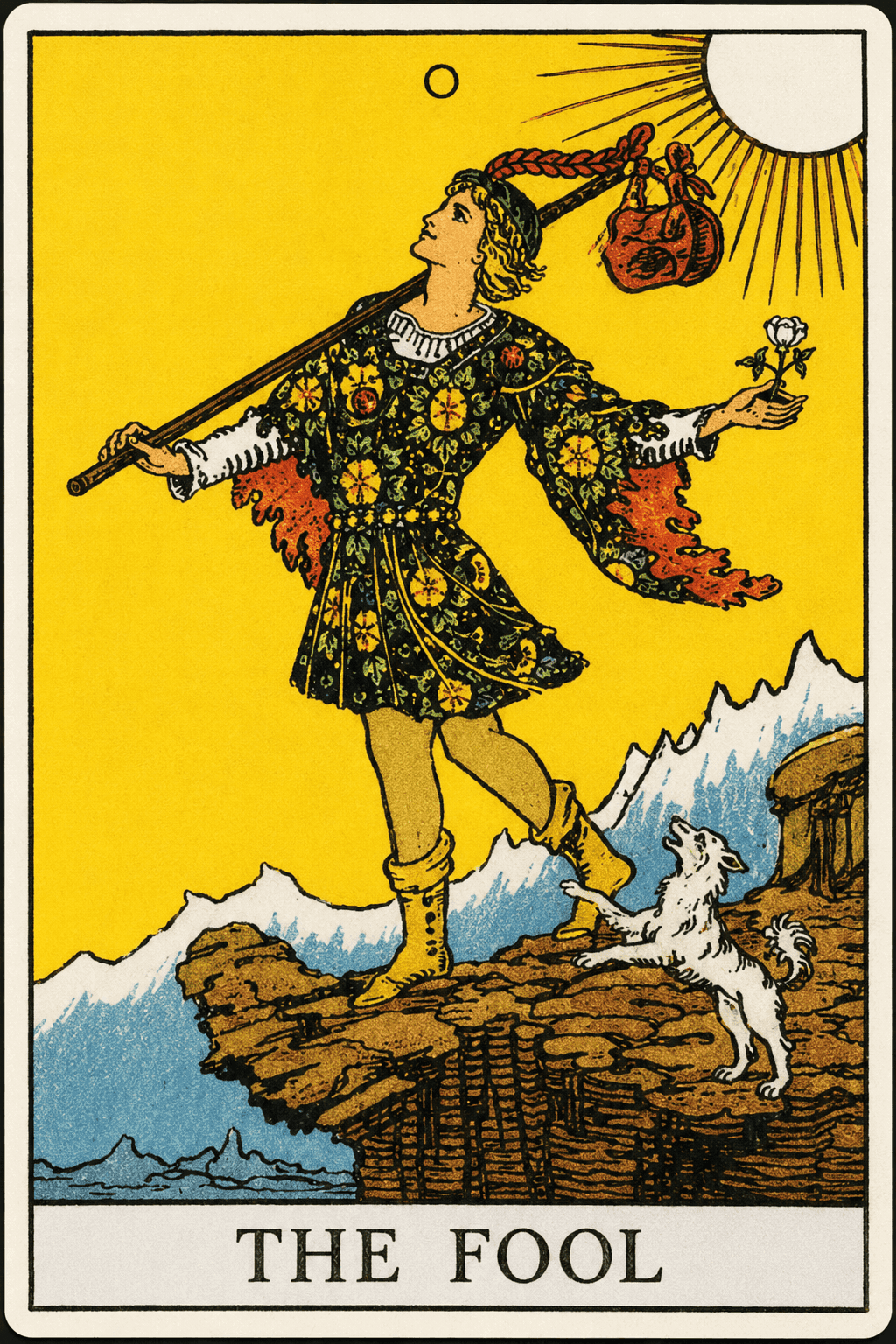
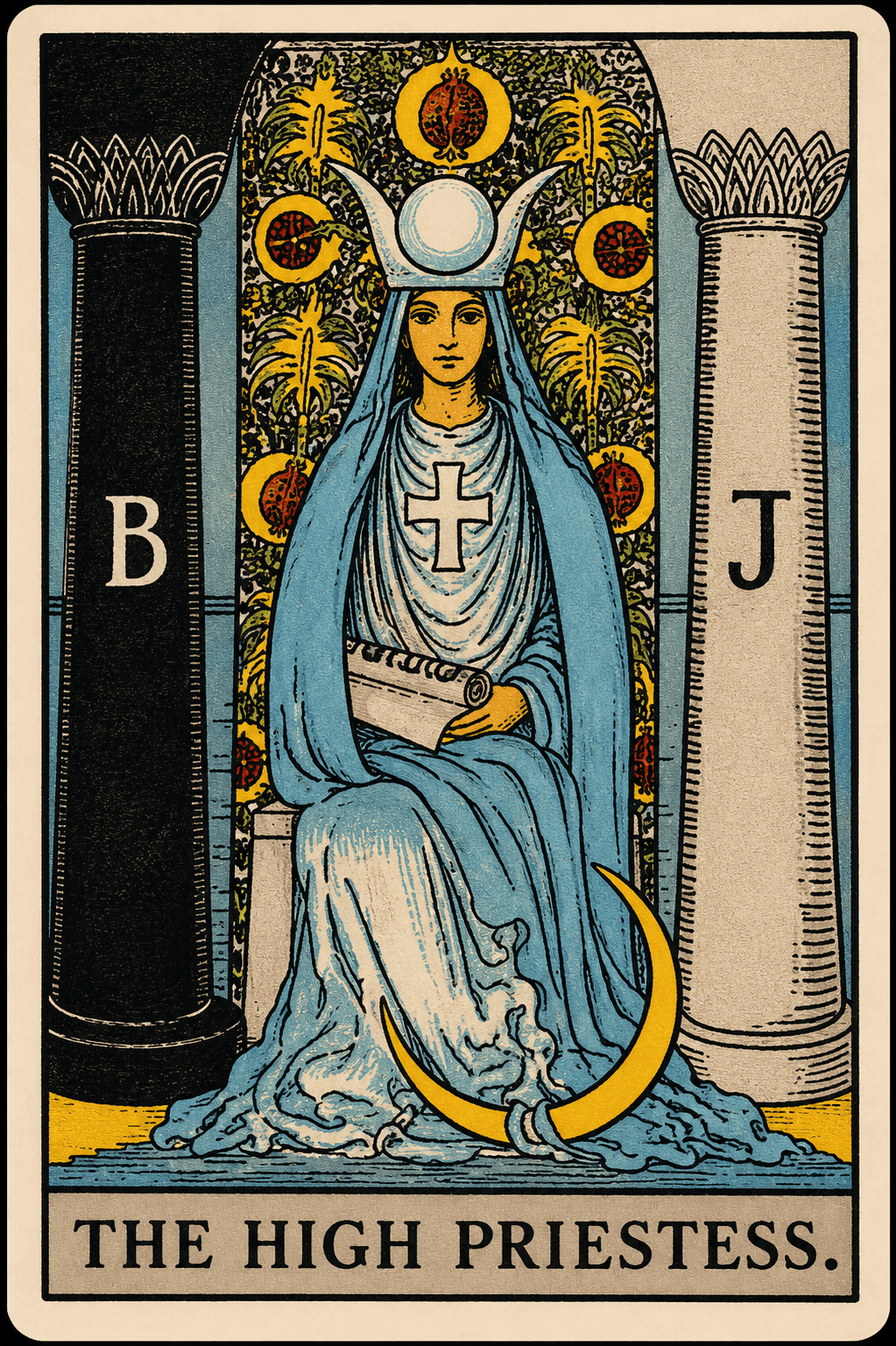
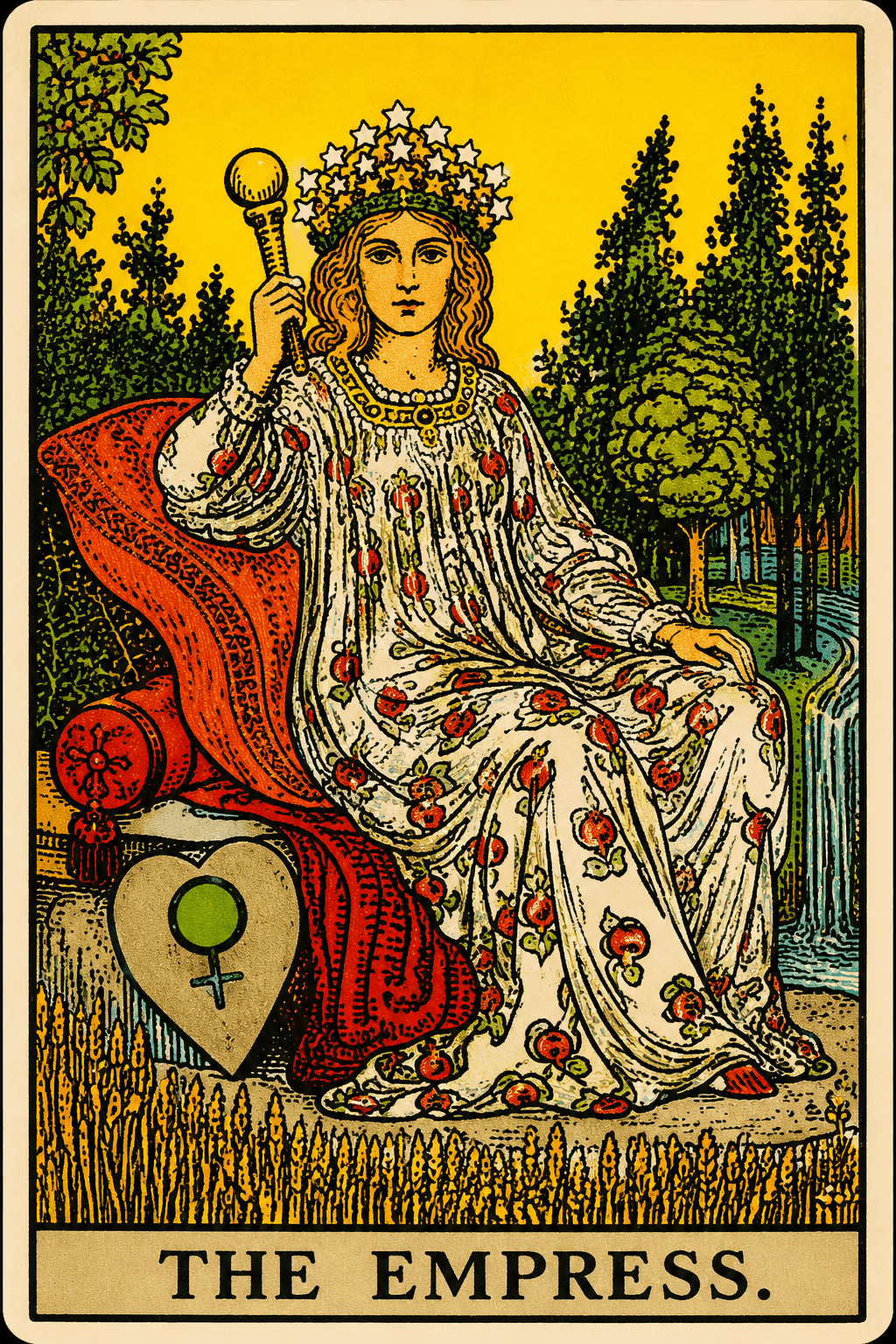
1 card · Quick Reading
One Card
A quick, focused reading for one question or a daily reflection.
View spread
Tarot Spreads
Every layout with its positions, a worked example, and the mistakes that make it misread, from a one-card pull to the ten-card Celtic Cross. Free to use, no account needed.
How to choose
1 card · Quick Reading
A quick, focused reading for one question or a daily reflection.
View spread3 cards · Core Reading
A balanced spread for past, present, and likely direction.
View spread1 card · Decision
A concise spread for a directional answer with nuance.
View spread3 cards · General
A classic spread for tracing how a situation unfolds.
View spread3 cards · Love
A relationship-focused spread for emotional clarity.
View spread5 cards · Love
A broader spread for communication, needs, and shared direction.
View spread3 cards · Career
A practical spread for work direction and professional choices.
View spread4 cards · Decision
A spread for weighing two paths with more clarity.
View spread3 cards · Personal Growth
A gentle spread for journaling, awareness, and honest self-inquiry.
View spread10 cards · Advanced
A comprehensive spread for layered insight and context.
View spreadA tarot spread is a layout that assigns each drawn card a defined position, and each position is a question the card answers. The same card means different things in "what is in the way" and "what would help", which is what a spread supplies that a loose pile of cards cannot.
A one-card pull for daily practice, and a three-card spread for anything with more shape to it. Three positions is enough structure to show cause, state, and direction without becoming a puzzle. The Celtic Cross is worth learning later rather than first.
As few as the question needs. One card for a focused question, three for a situation with some shape, five to ten when a question genuinely has several moving parts. More cards is not more insight, a three-card spread with a sharp question beats a ten-card one with a vague question.
Yes, and it is a good exercise. Write the positions as questions before you draw, keep them distinct from each other, and stop at the point where you can still hold the whole layout in mind. A custom three-position spread built around your actual question often outperforms a traditional one.
They matter more than most beginners expect. Position is frequently what resolves an ambiguous card, and reading the position aloud before the card is one of the fastest ways to unstick a confusing spread.
The three-card spread is the most widely used, usually as past-present-future or as situation-obstacle-advice. The Celtic Cross is the best-known ten-card layout and the most demanding one to read well.