
Editorial Standards
How this content is made.
So Tarot publishes a 78-card reference, ten spreads, twenty-five card combinations, a glossary and a library of guides. This page sets out who writes them, what a model is and is not allowed to produce, where the meanings come from, and what happens when something is wrong.
What a person wrote and what a model wrote
The division is fixed and worth stating plainly, because most sites in this category are vague about it. Your reading interpretation is generated by an AI model at the moment you draw, working from the cards you actually pulled, their orientations, the positions of the spread and the question you asked. That text is written for you and nobody else sees it.
Everything else is written by people. The 78 card meanings, the spread guides, the combination pages, the glossary and every article in the blog were drafted and edited by the editorial team. No article on this site was generated by a model, and none is a rewrite of another site’s page.
Where the card meanings come from
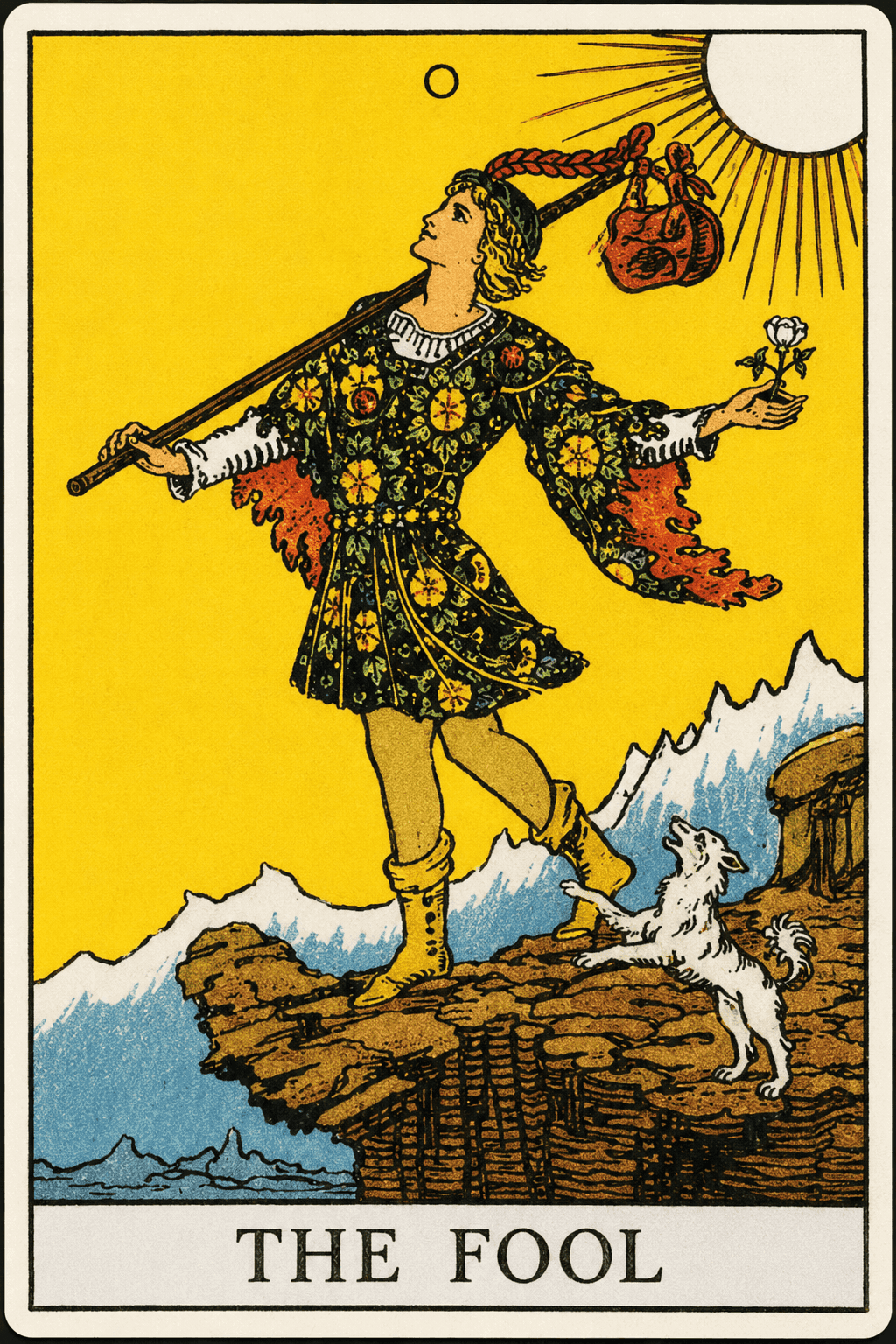
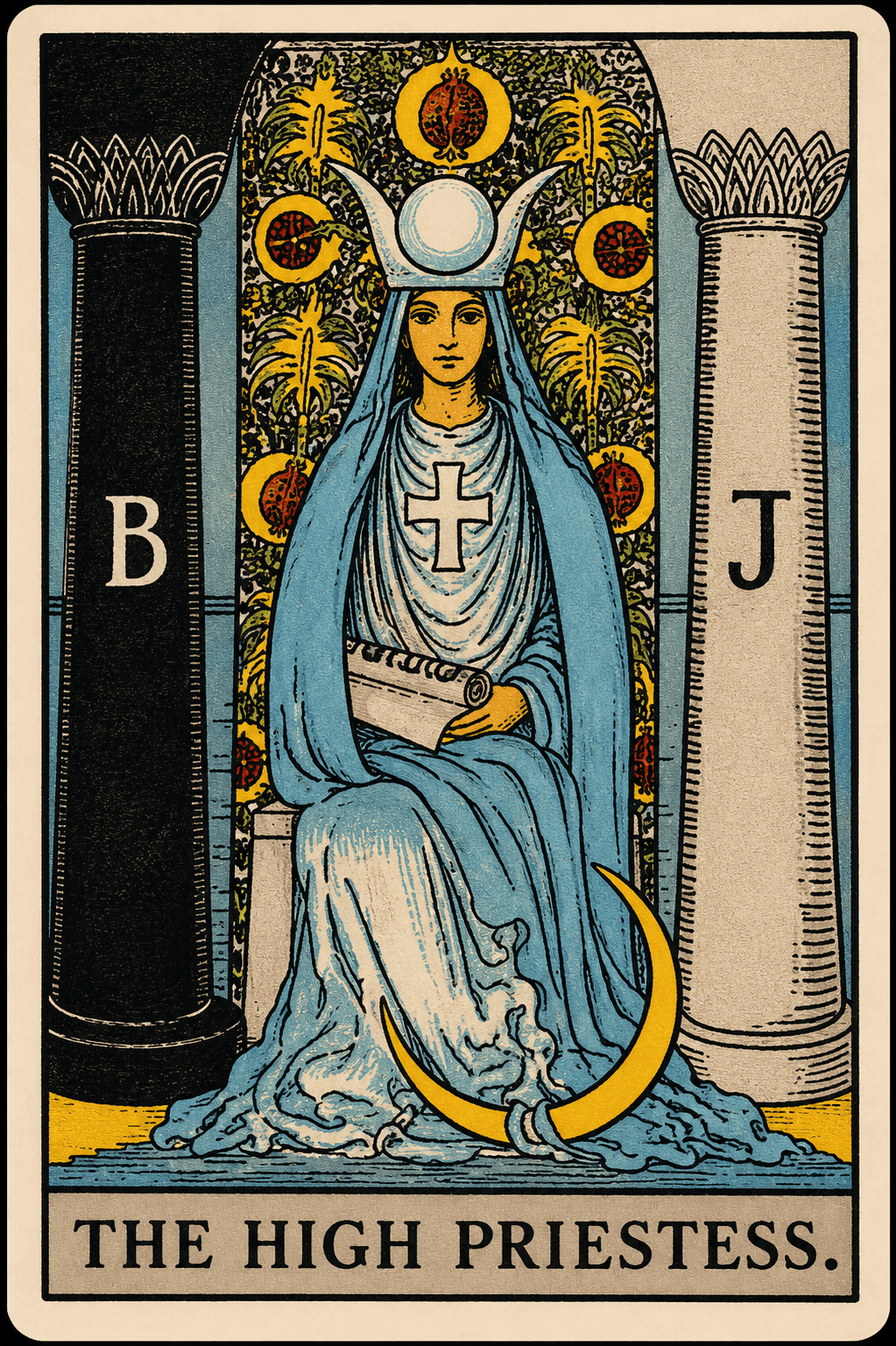
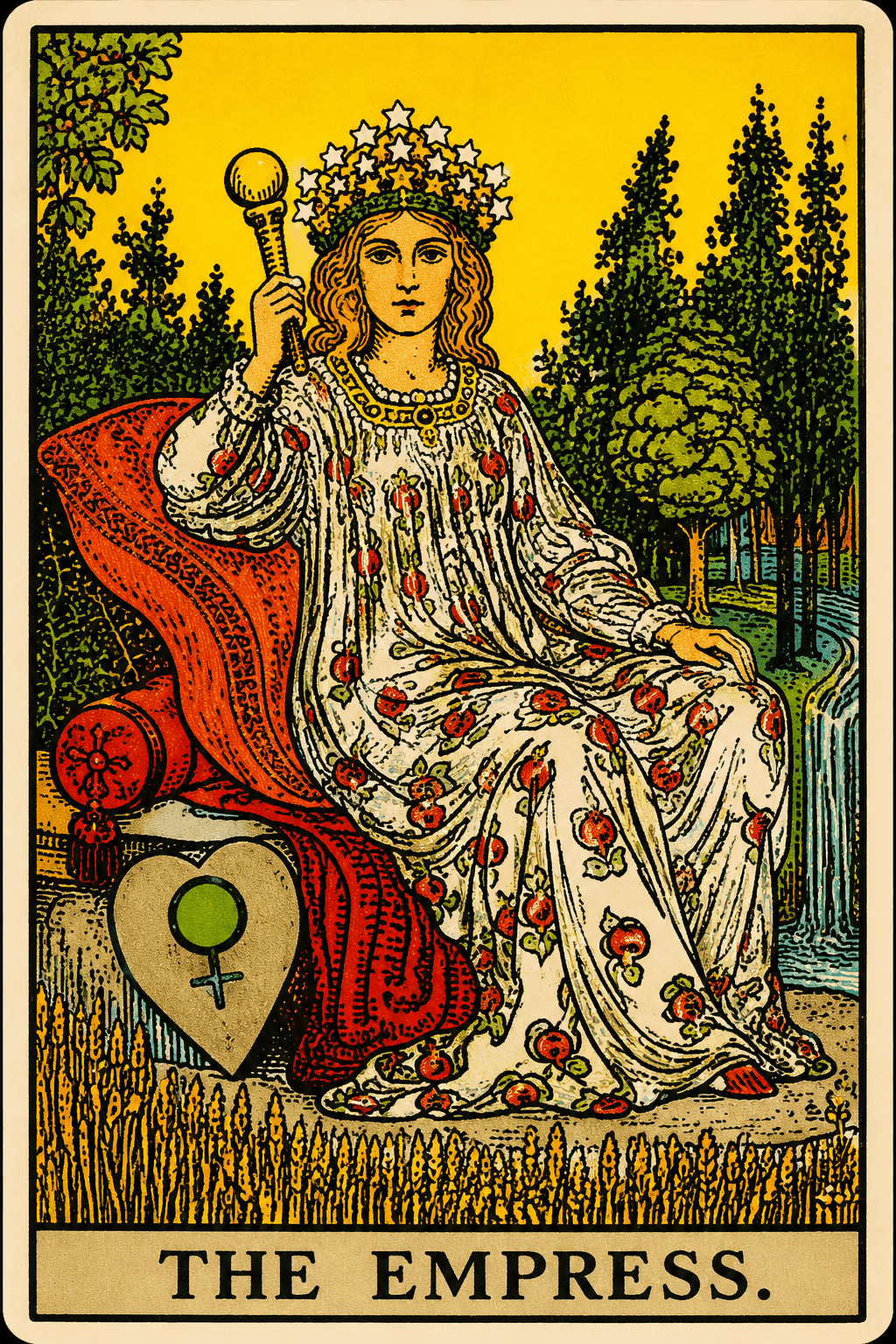
From the Rider-Waite-Smith tradition, the 1909 deck illustrated by Pamela Colman Smith whose imagery almost all English-language tarot writing describes. Card meanings here are written against that artwork and the readings long attached to it. Where a card has more than one defensible reading, the page says so rather than picking one and presenting it as settled.
Historical claims are held to the same standard as the rest. Tarot began as a fifteenth-century Italian card game and acquired its divinatory use around three centuries later, and the pages here say that rather than repeating the ancient-Egyptian origin story that the surviving decks do not support.
What we check before publishing
- Card names, numbers, suits and arcana are checked against the deck itself, by test, so a page cannot describe a card that does not exist.
- Arithmetic that appears in an article, such as the birth-card calculation, is verified against the real card numbering before it publishes.
- A page earns its own URL only if it says something the pages around it do not. Where a topic can only be covered by restating another page, it stays on that page.
- Claims about what tarot can do are held to what a randomised draw can support. Nothing here predicts events, and pages that could imply otherwise say so explicitly.
Subjects we decline
So Tarot does not publish guidance on medical, legal, financial or psychiatric questions, and the readings are instructed not to answer them either. Someone in difficulty may act on what they read, and none of those are areas where a randomised draw should be influencing a decision. Where an article touches a subject like anxiety or grief, it says plainly that tarot is not treatment and points to proper support instead.
How corrections work
Corrections take priority over new content. A reference that quietly carries an error is worse than one that gets fixed, and a card meaning read by someone learning the deck is worth more care than the next article. Every article carries the date it was published and, where it has been revised, the date of that revision, so you can see how current a page is before you rely on it.
Report an errorEditorial standards: common questions
Is So Tarot content written by AI?
Partly, and the split is fixed. Your reading interpretation is generated by an AI model at the moment you draw. The reference content, meaning the 78 card meanings, the spreads, the combinations, the glossary and every article, is written and edited by people. No article on this site was generated by a model.
Who writes So Tarot's articles?
The So Tarot editorial team. Articles are credited to the organisation rather than an individual because they are written and revised collectively rather than owned by one author.
Where do the card meanings come from?
The Rider-Waite-Smith tradition, which is the deck almost all English-language tarot writing describes. Meanings are written against that imagery and the long-established readings attached to it, not invented.
What does So Tarot refuse to write about?
Medical, legal, financial and psychiatric questions. A person in difficulty may act on what they read, and none of those are areas where a randomised draw should influence a decision.
How do I report an error?
Through the contact page. Corrections to reference content are prioritised over new content, because a reference that quietly carries an error is worse than one that gets fixed.