Two different questions hiding in one
"Is tarot accurate" bundles two separate questions that have different answers. Does a reading correctly predict future events? No, and the reasons are structural rather than a matter of skill. Does a reading correctly describe a situation you are in? Frequently, and for reasons that do not require anything supernatural.
Keeping the two apart is the whole of an honest assessment. Most defences of tarot quietly answer the second question when the first was asked, and most dismissals do the reverse.
Why prediction fails the test
If the cards predicted discrete events, the same card would need to mean a promotion for one person and a redundancy for another drawn on the same afternoon. Nothing in a shuffle connects to next month, and no mechanism has ever been proposed that would. Readings that appear to have predicted something usually described a situation already in motion, which then developed along the lines it was already running on.
This is not a hedge. It is the reason the interpretations on this site are written as descriptions rather than forecasts, and the reason the questions worth asking are about the present.
Why readings still feel accurate
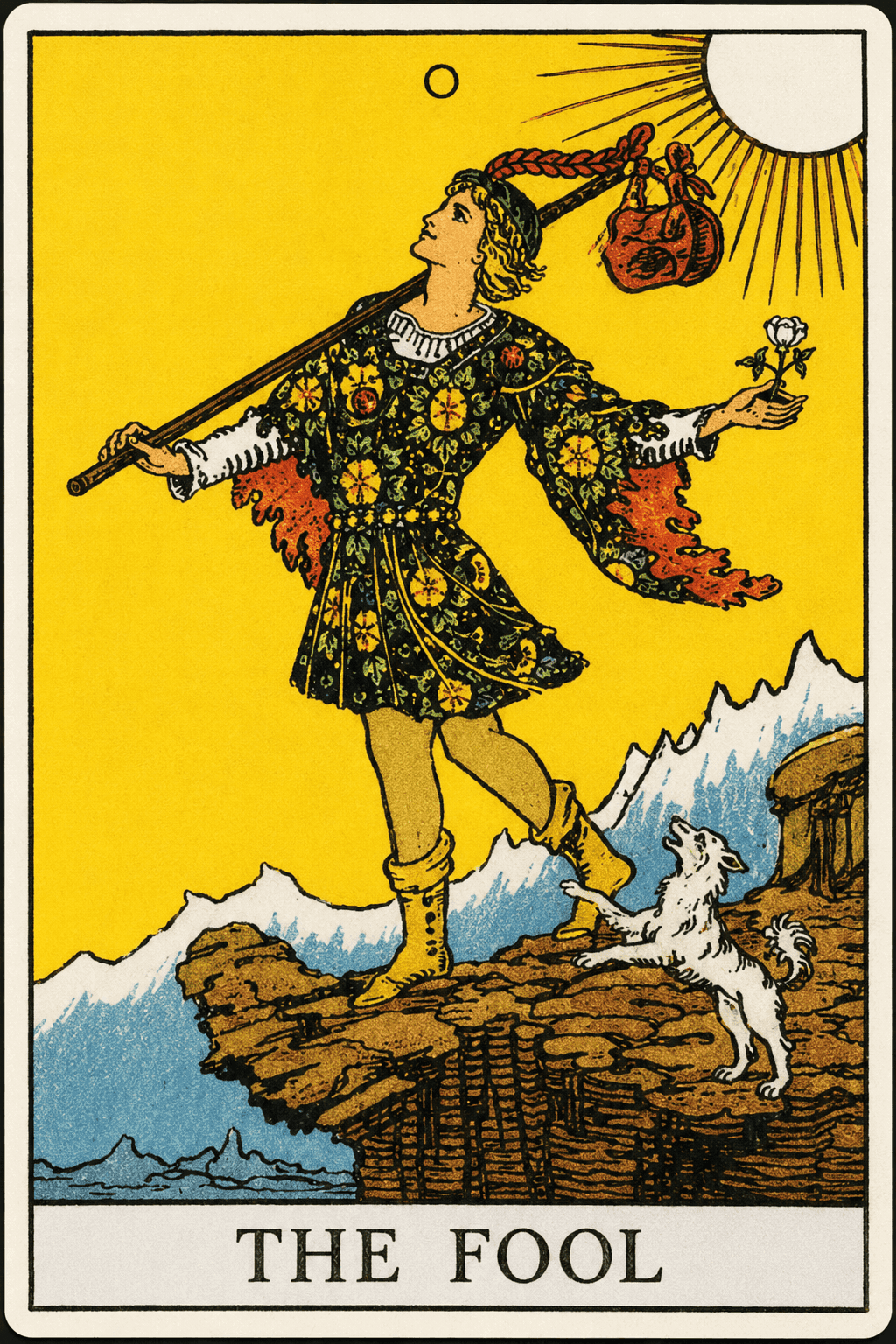
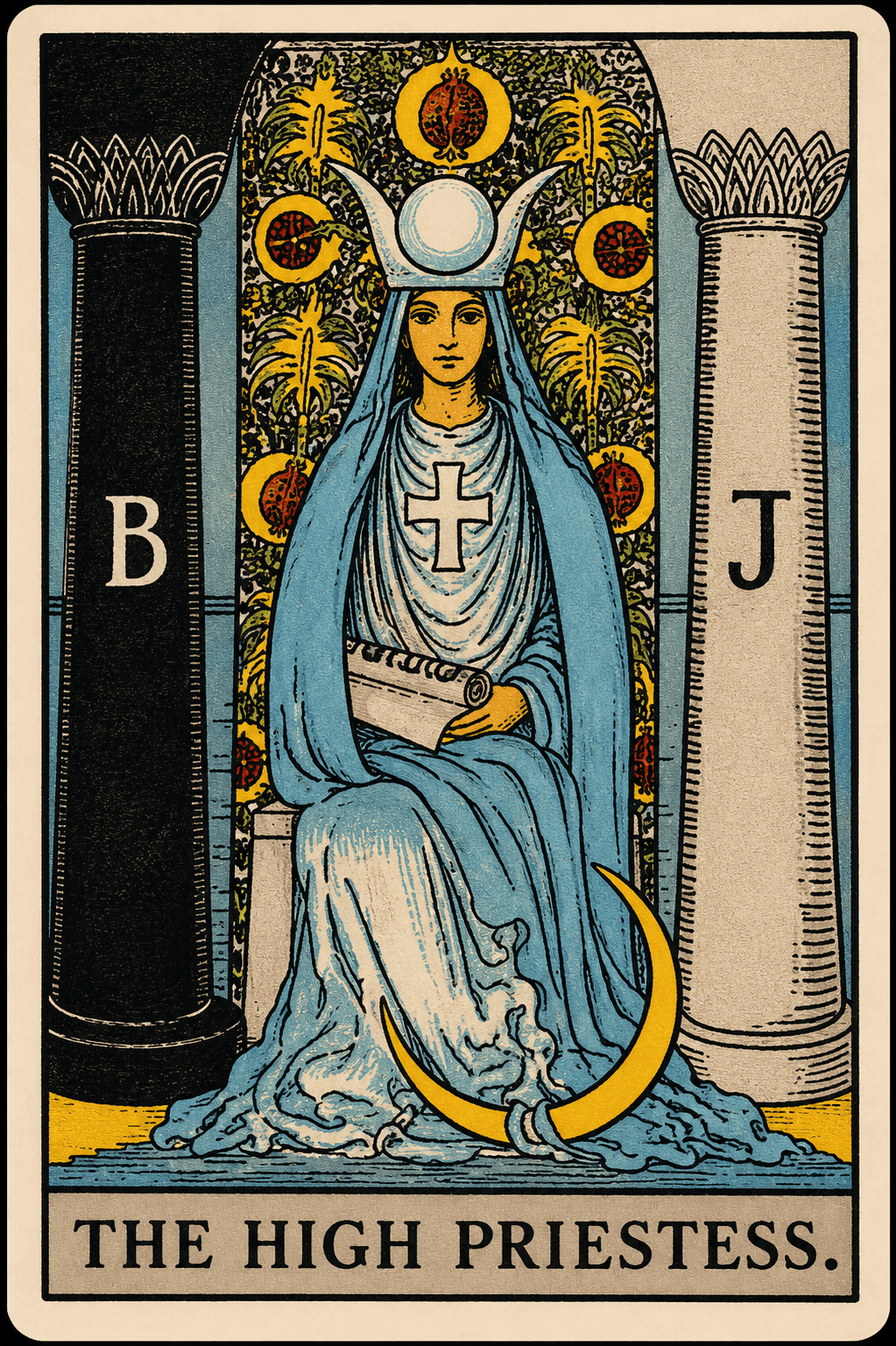
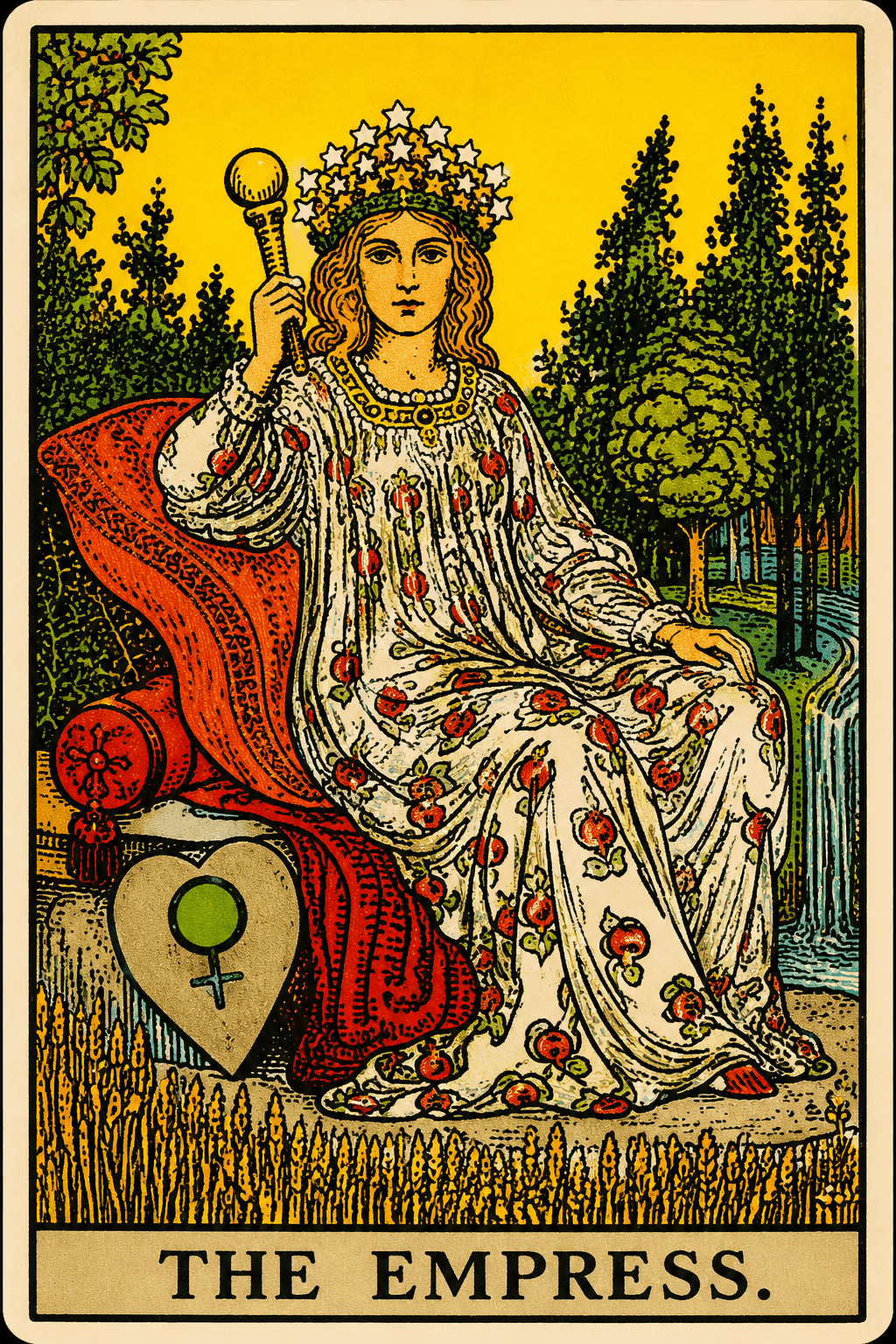
Three things are doing the work, and none of them are mystical. The deck's 78 images are general enough to apply and specific enough to bite, so a card will almost always have some purchase on a real situation. You supply the material: a reading is largely you thinking about your circumstances with a prompt in front of you. And the recognition effect is strong: the most common reaction to a good reading is "yes, that is exactly it", which is what happens when something you already knew becomes visible.
That is a real effect and a useful one. It is also not evidence that the cards knew anything.
The Barnum effect, honestly stated
Statements vague enough to fit almost anyone feel personally accurate: the effect is well documented and it is genuinely present in a lot of tarot writing. "You have a tendency to be hard on yourself" will land for nearly everybody who reads it.
The defence against it is not to deny it but to write and read more specifically. A reading that could apply to anyone is not doing its job, and the test is simple: could this interpretation be false for someone? If not, it is not saying anything.
What to measure instead
Accuracy about the future is unmeasurable and mostly uninteresting. Usefulness is measurable and you can do it yourself: keep a journal, and after each reading write the one thing you intend to do differently. Three months later, count how many of those you did and whether they helped.
That number tells you something real about your practice. It is also the only metric in tarot that does not require you to take anyone's word for anything, including ours.