
Stop treating it as 78 items
The deck is not a list, it is a grid. Fifty-six of the 78 cards are generated by combining a small number of variables: four suits, ten numbers, four court ranks. Learn the variables and the combinations follow, which converts most of the memorisation problem into something closer to arithmetic than to vocabulary.
That leaves 22 Major Arcana as the only genuinely separate items, and those are the ones with distinctive images and names, which makes them the easiest to hold anyway.
The order to learn things in
Start with the four suits and their arenas: Wands for drive, Cups for feeling, Swords for thought, Pentacles for the material. Then the ten numbers: Aces begin, twos balance, threes express, fours stabilise, fives disrupt, sixes restore, sevens challenge, eights move, nines near completion, tens complete.
With those two sets you can read all forty pip cards approximately. Then add the four court ranks (Page meets the suit, Knight chases it, Queen holds it, King directs it) which covers the remaining sixteen minors. The 22 Majors come last and can be learned as a story rather than a list.
Learn the Majors as a sequence
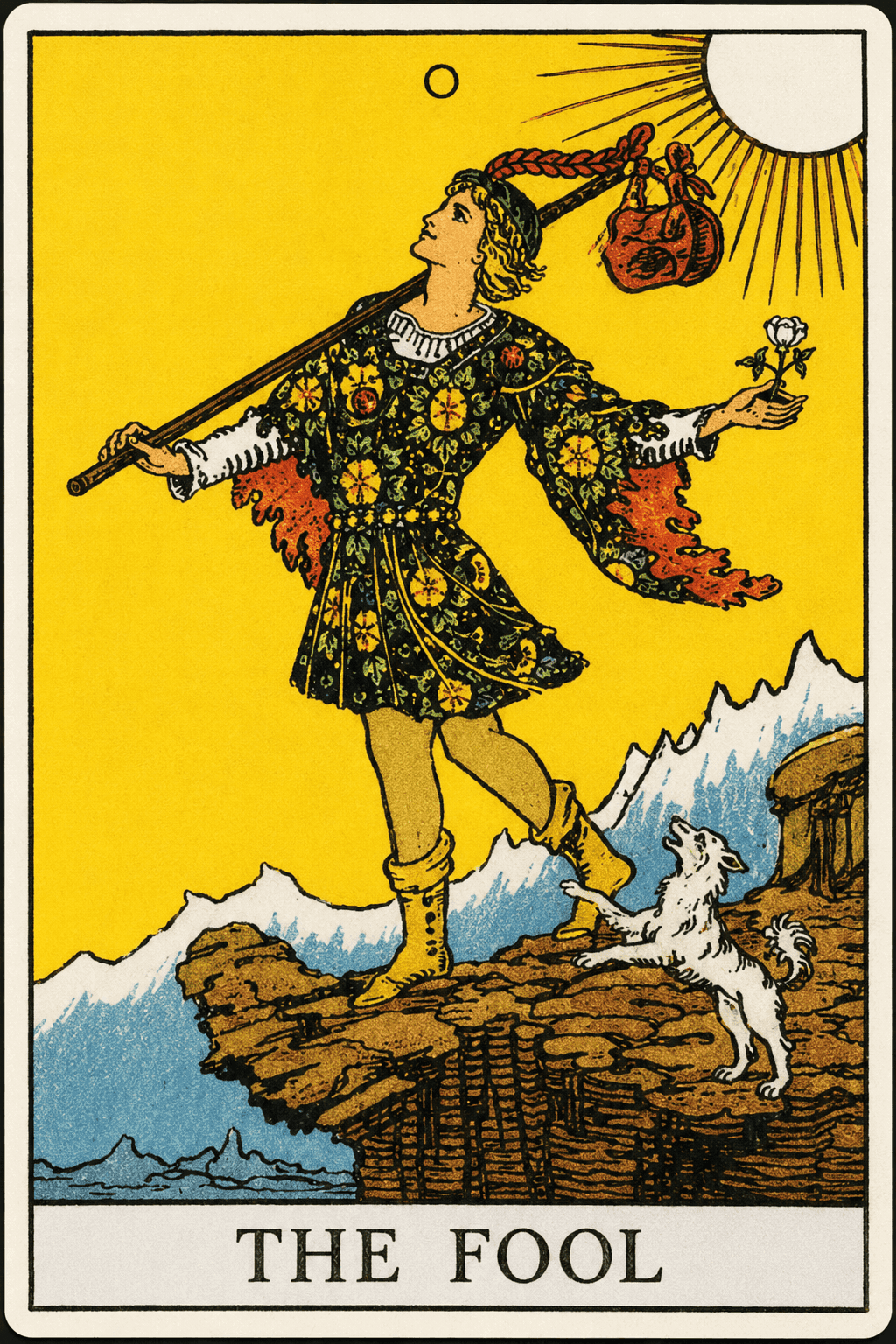
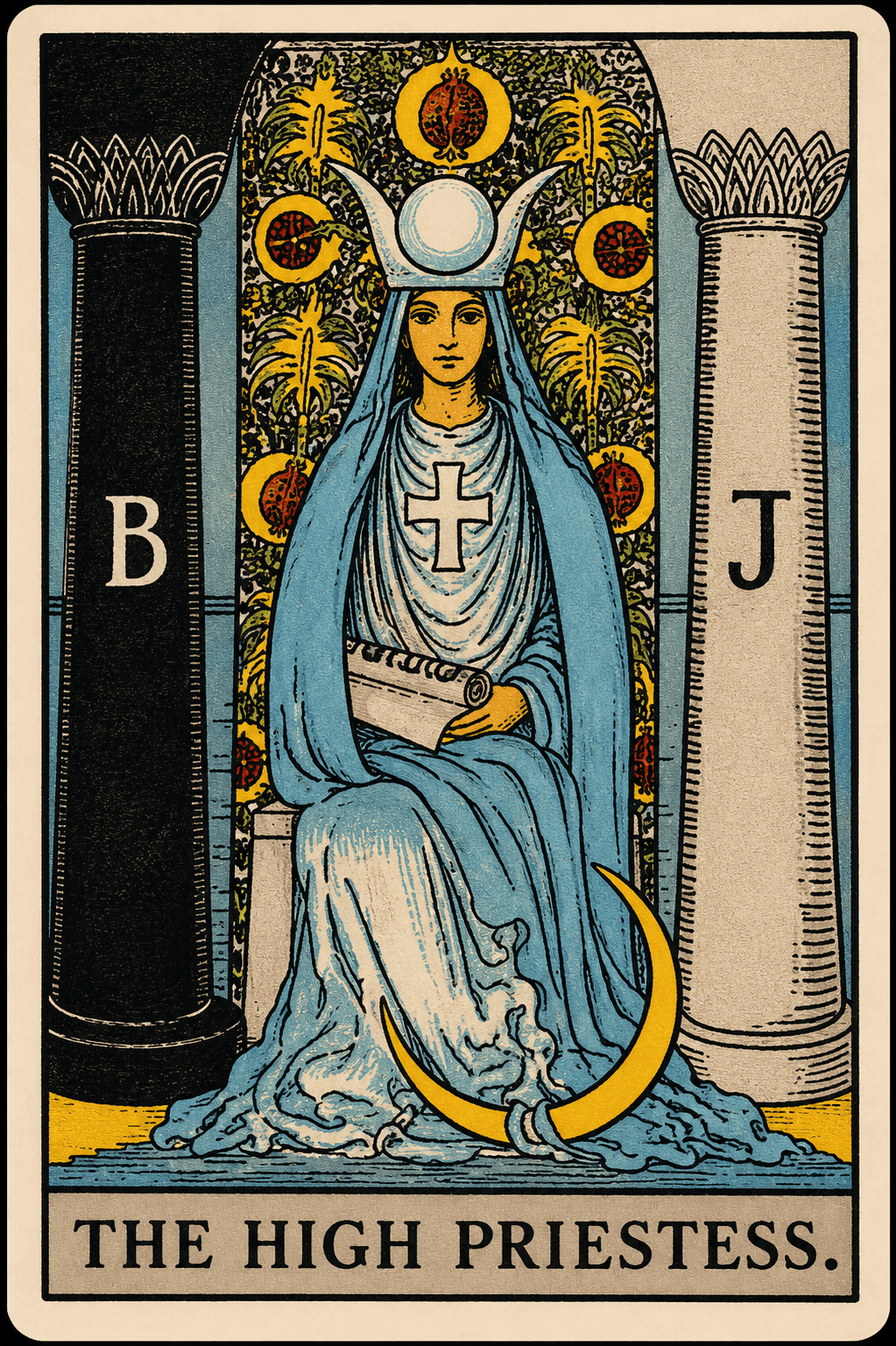
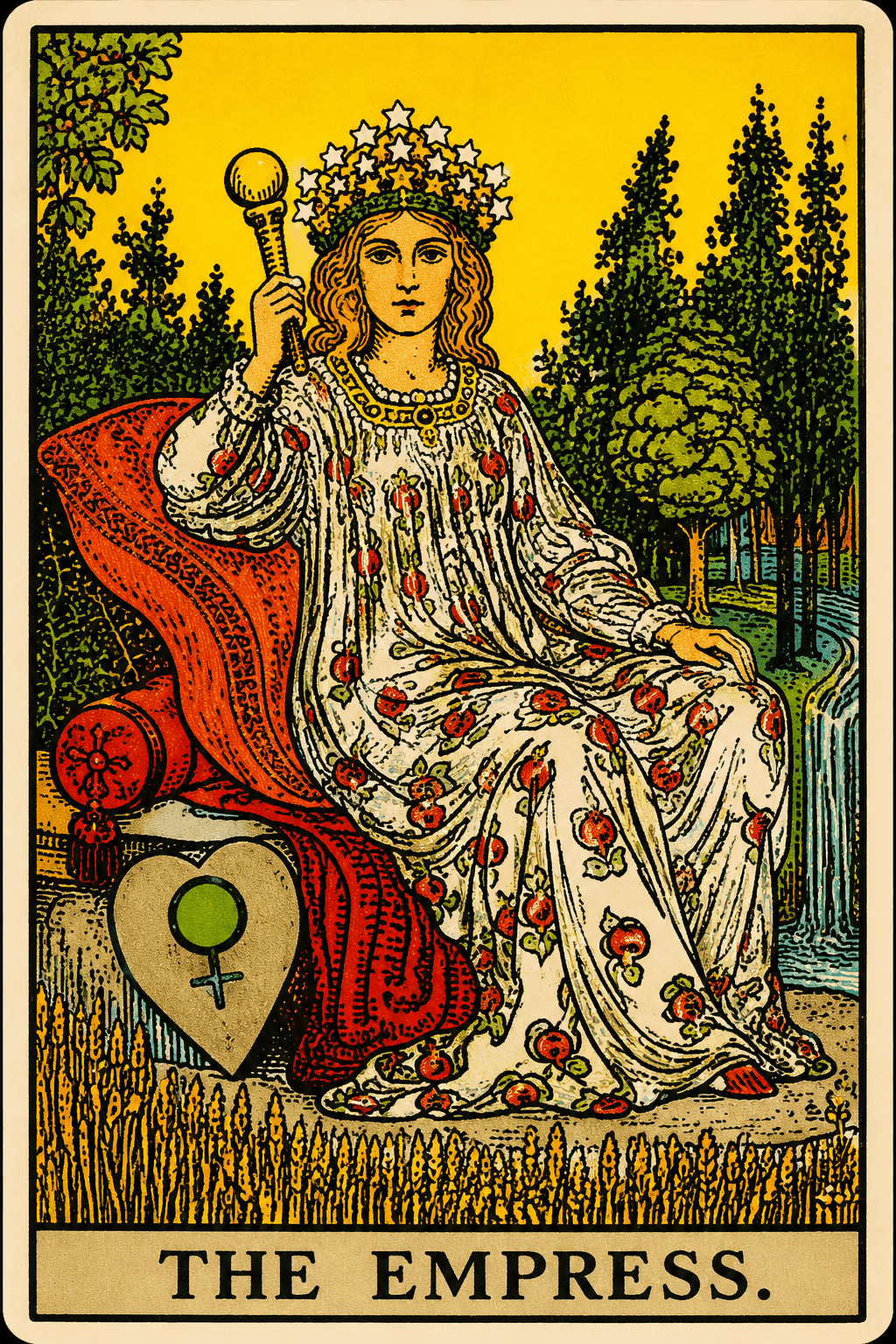
Twenty-two cards learned as a narrative stay learned in a way twenty-two flashcards do not. The Fool's Journey runs from The Fool at 0 to The World at 21, with each card a stage: discovering you have tools, meeting structure, the first real choice, taking control by will, learning force has a limit, withdrawing to look, meeting chance, facing consequence.
The value is not that the sequence is historically authoritative. It is a twentieth-century teaching device. The value is that placing a card in a story gives you a handhold when the meaning will not come, because the neighbours usually recover it.
Use the images, not the keywords
Keywords are abstractions someone else derived from a picture, and abstractions are exactly the kind of thing memory handles badly. The picture is concrete, which is the kind of thing memory handles well. Before learning what a card means, spend thirty seconds describing what is in it: who is present, where they are looking, what they are not looking at, what the weather is doing.
This is why the Rider-Waite-Smith deck and its clones are the practical choice for learning: every one of the forty pips is a scene rather than an arrangement of symbols, and a scene is memorable in a way five cups on a plain background is not.
Test yourself by reading, not by recalling
Flashcard recall (card in, keyword out) is a different skill from reading, and it transfers poorly. The better test is a daily card: pull one, say what you think it means, then look it up. The gap between your answer and the reference is the correction, and corrections are what actually consolidate.
Thirty days of that is roughly thirty tested predictions with immediate feedback, which is a far stronger learning structure than a month of flashcards and considerably less unpleasant.