Tarot Card Library
The Fool
The Fool tarot card meaning: upright & reversed interpretations, plus love, career & yes-or-no guidance. Keywords: new beginnings, spontaneity, trust.
Tarot Card
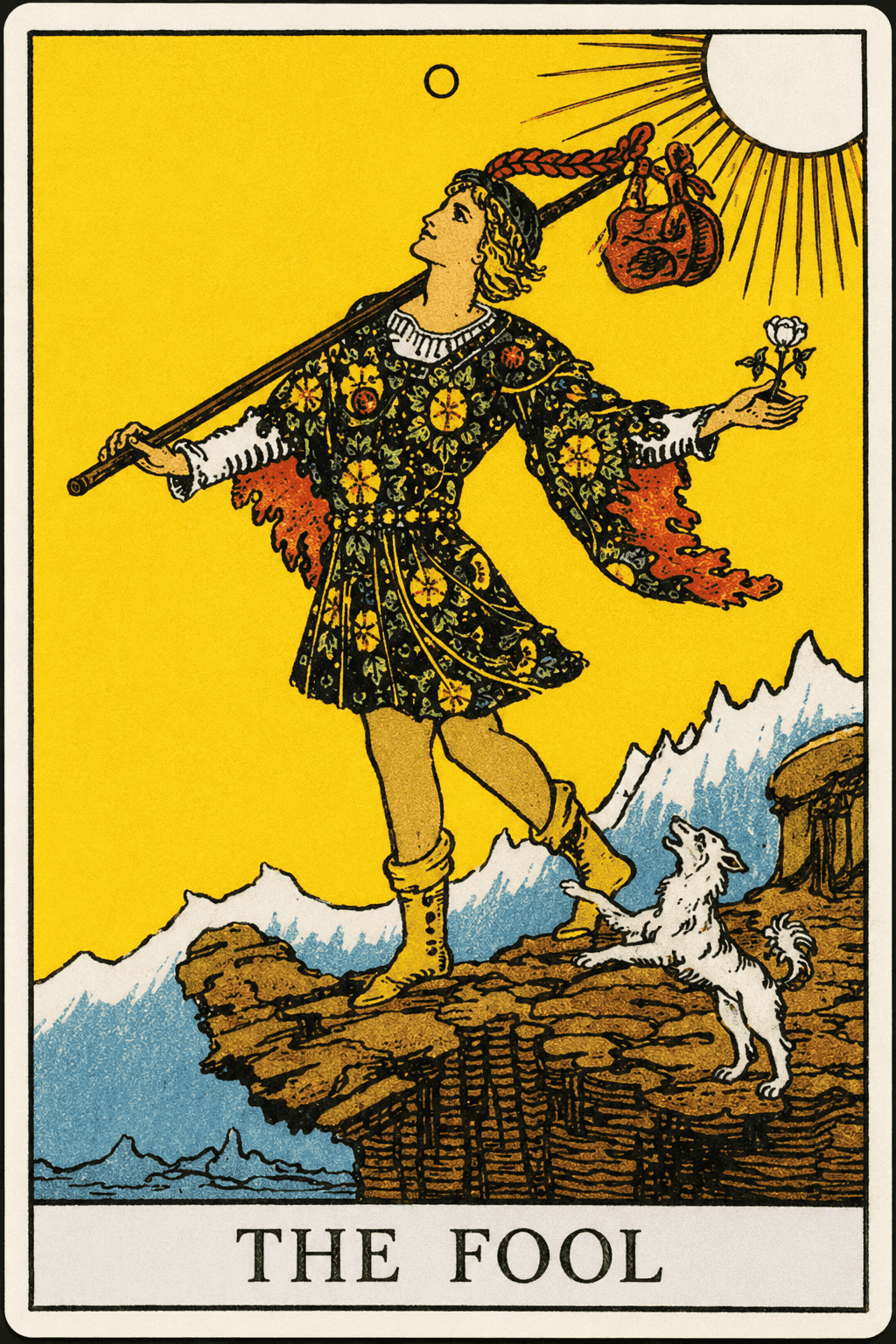
Major ArcanaThe Fool: symbolism & imagery
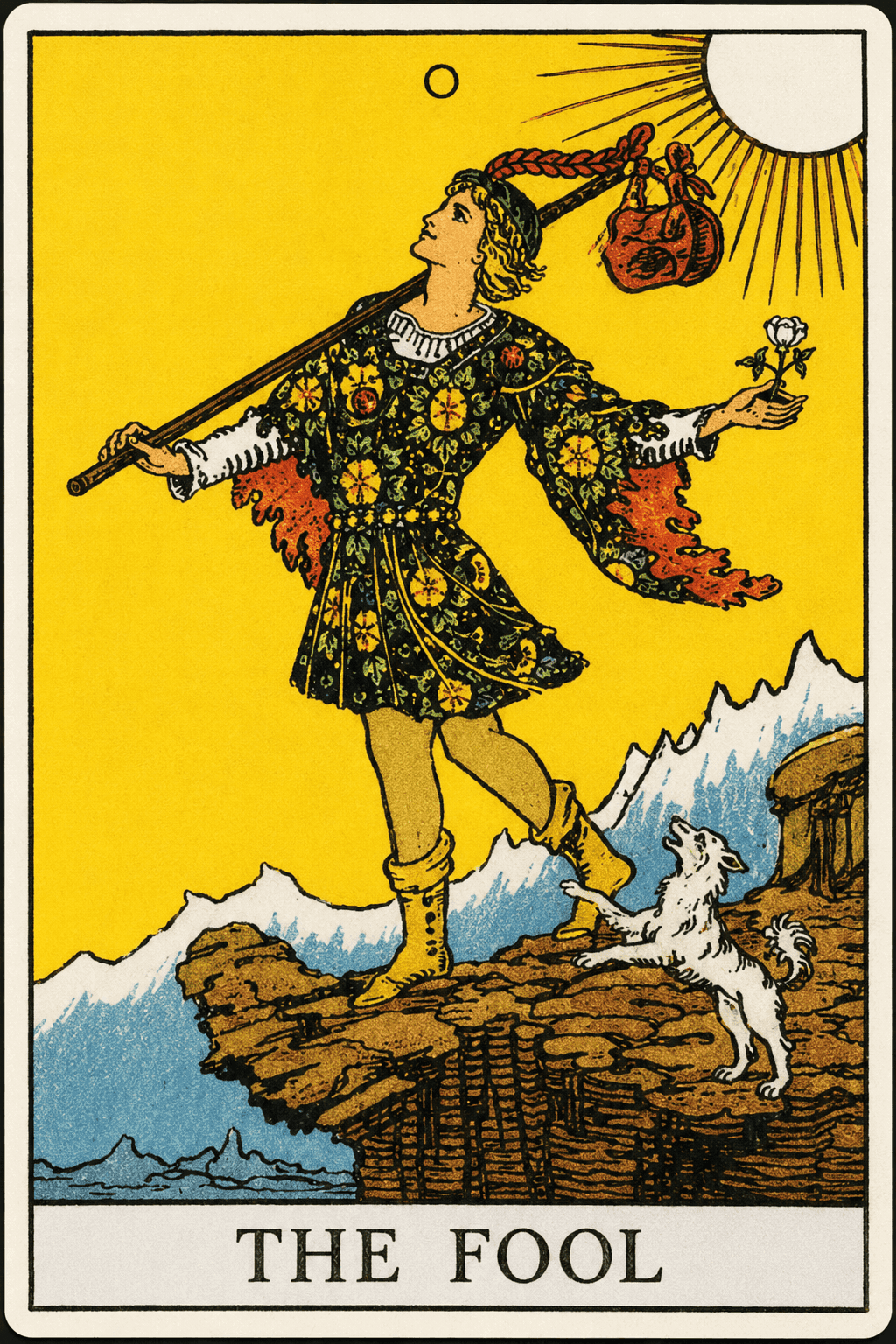
A figure steps toward a cliff's edge, a white rose in hand for purity, a small dog at his heels for loyal instinct, a bundle of untapped potential over his shoulder.
The Fool upright meaning
A leap into the unknown, taken with openness rather than a fixed plan. The Fool marks a genuine new beginning and a willingness to trust the process before every detail is worked out.
All 78 cards at a glanceThe Fool reversed meaning
Reversed, The Fool can point to recklessness that ignores real risk, or the opposite: holding back from a leap out of fear.
All 78 reversed meaningsThe Fool in love & relationships
The Fool in love points to a connection entered with openness rather than a plan, a new relationship, or a familiar one approached with fresh eyes. It asks for honesty about whether you're leaping toward someone in genuine trust, or leaping mostly to escape something else. Freeing when the trust is real; worth pausing on when it isn't.
Free love tarot readingThe Fool in career & work
In work, The Fool marks a genuine fresh start: a new role, an untested idea, or the willingness to begin before every detail is settled. The energy is promising precisely because it isn't over-planned, but it rewards a leap taken in faith, not one taken to dodge a harder decision you've been avoiding.
Free career tarot readingThe Fool in money & finances
Financially, The Fool signals a new venture or a willingness to take a chance. The question isn't whether to move but whether the move is calculated or impulsive: enthusiasm here is an asset only when it's paired with a clear-eyed look at the actual risk.
How The Fool feels
Excitement mixed with vulnerability about the unknown.
The Fool: advice
Take the leap, but notice whether you're leaping in faith or leaping to escape.
The Fool: reflection prompt
What would you attempt if you trusted yourself completely?
Is The Fool a yes or no?
yes, if you're willing to accept some uncertainty
Yes or no leanings for all 78 cardsThe Fool in combination
All combinationsWhat two cards do to each other is not on either card’s own page. These pairings are read in full elsewhere.
With The World
The Fool + The World
The beginning and the end of the journey, side by side. The World marks a cycle completed with real accomplishment; The Fool is a fresh leap into the unknown. Together they signal a chapter genuinely finishing as a new one opens, a sign you're ready to begin again, carrying everything you've learned.
With Eight of Cups
Eight of Cups + The Fool
Leaving, and then beginning. The Eight of Cups is a deliberate walk away from something that was fine but not enough; The Fool is the step into what comes next without a map. Together they describe a departure that is genuinely chosen rather than forced, and the gap between the two, which is where most of the difficulty lives.
With Ace of Pentacles
Ace of Pentacles + The Fool
A concrete opportunity and the nerve to take it. The Ace of Pentacles is a real, material offer; The Fool is the step without guarantees. Together they describe a beginning that is solid on paper and still requires you to jump.
With Ten of Swords
Ten of Swords + The Fool
The worst of it, and then a first step. The Ten of Swords is an ending with nothing left to lose; The Fool is beginning again with no plan. Together they describe the specific freedom of having already hit the bottom.
With The Magician
The Fool + The Magician
Willingness and capability at the start of something. The Fool supplies the nerve to begin without a plan; The Magician supplies the tools to make it real. Together they describe a beginning with both appetite and competence behind it.
With The Star
The Star + The Fool
Hope, and the willingness to act on it. The Star is faith returning after something hard; The Fool is the step taken while it is still fragile. Together they describe beginning again before you feel entirely ready, which is usually when it happens.
With The Sun
The Sun + The Fool
Beginning something in good conditions. The Sun is clarity and warmth; The Fool is the step taken into it. Together they describe a start made in daylight rather than out of desperation, which is unusual and worth using.
With Death
The Fool + Death
An ending and a beginning with nothing in between. Death closes something for good; The Fool steps out with no plan and no history attached. Together they describe starting over because there is no version of the old thing left to return to.
The Fool: frequently asked questions
What does The Fool mean?
A leap into the unknown, taken with openness rather than a fixed plan. The Fool marks a genuine new beginning and a willingness to trust the process before every detail is worked out.
What does The Fool mean reversed?
Reversed, The Fool can point to recklessness that ignores real risk, or the opposite: holding back from a leap out of fear.
What does The Fool mean in love?
The Fool in love points to a connection entered with openness rather than a plan, a new relationship, or a familiar one approached with fresh eyes. It asks for honesty about whether you're leaping toward someone in genuine trust, or leaping mostly to escape something else. Freeing when the trust is real; worth pausing on when it isn't.
Is The Fool a yes or no card?
yes, if you're willing to accept some uncertainty
Is The Fool a Major or Minor Arcana card?
The Fool is one of the 22 Major Arcana, the trump cards that carry no suit and no element. That is why it describes a broad theme rather than naming a specific part of life the way a Minor Arcana card does.
Which tarot cards pair notably with The Fool?
The Fool has worked-through pairings with The World, Eight of Cups, Ace of Pentacles, Ten of Swords, The Magician, The Star, The Sun, Death. Each of those combinations reads differently from either card alone, because the two cards modify each other rather than simply adding up.
Terms on this page
Full glossaryMore of the Major Arcana
View all Major ArcanaMajor Arcana
The Magician
manifestation · resourcefulness · focus
Major Arcana
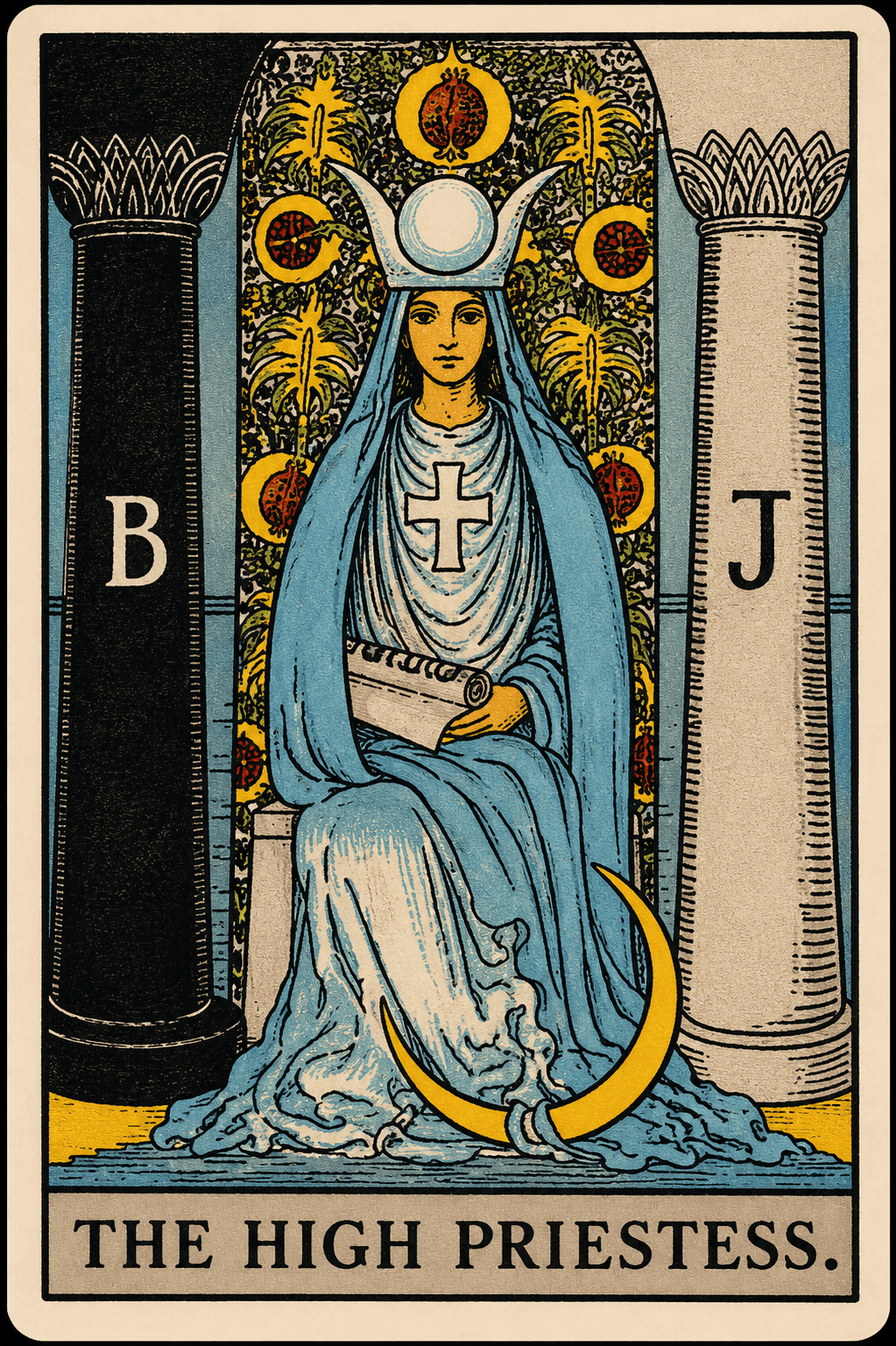
The High Priestess
intuition · mystery · inner knowing
Major Arcana
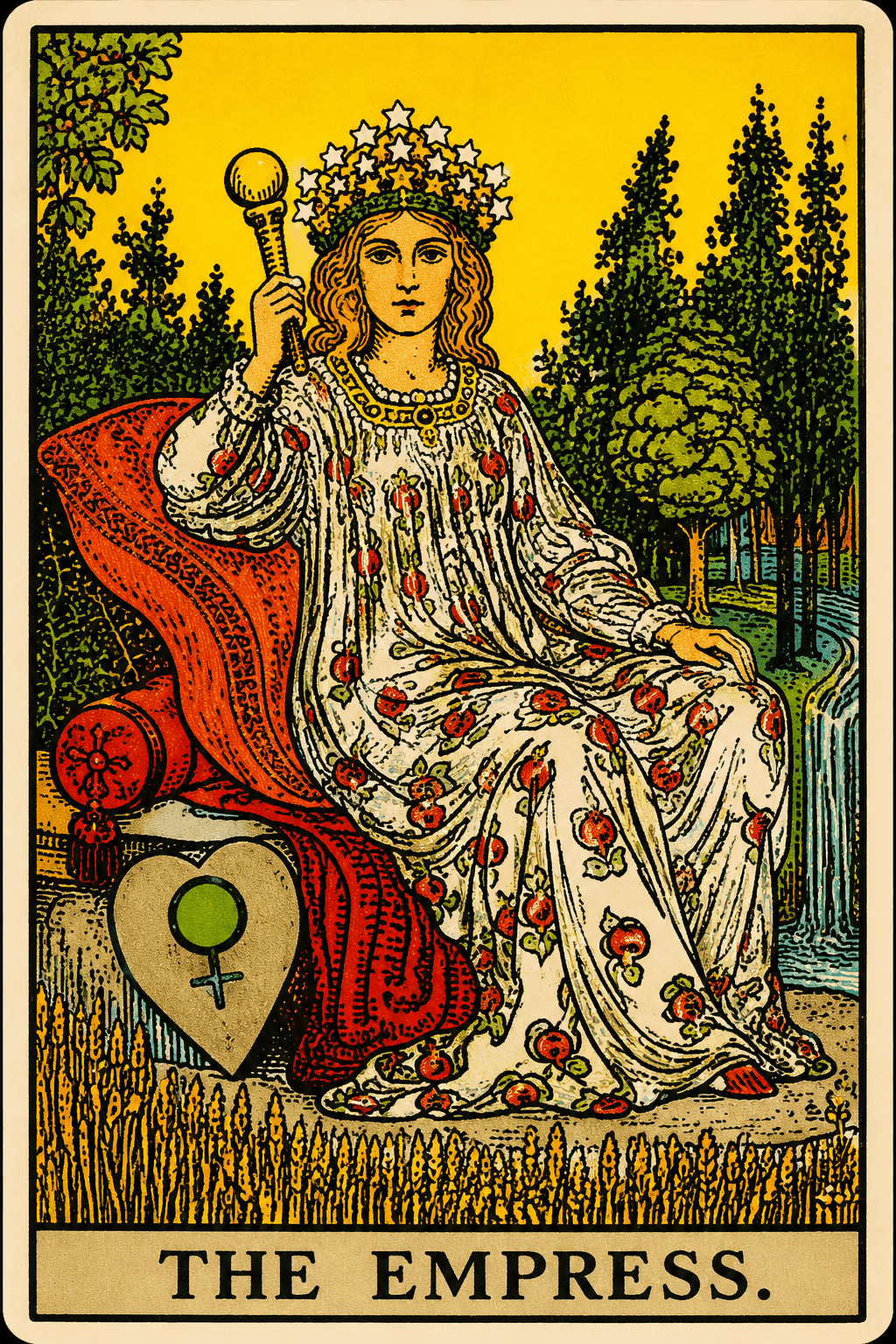
The Empress
abundance · nurturing · creativity
Major Arcana
The Emperor
structure · authority · discipline
Major Arcana
The Hierophant
tradition · guidance · belonging
Major Arcana
The Lovers
connection · values · choice
Related guides
Guide
Tarot as a Mirror, Not a Crystal Ball
The cards don't know your future. What they're good at is giving your own judgment somewhere honest to land, here's the distinction that changes how a reading actually helps.
Guide
The Three-Card Tarot Spread: How to Read Past, Present, and Future
The three-card spread is the one worth mastering first. Here's how to read past-present-future as a single story: plus a few variations that are often more useful than the classic.
Guide
Tarot vs Oracle Cards: What's Actually Different
One has 78 cards and a fixed structure built over centuries. The other has however many the creator decided on. That single difference drives everything else: including which one you should start with.