
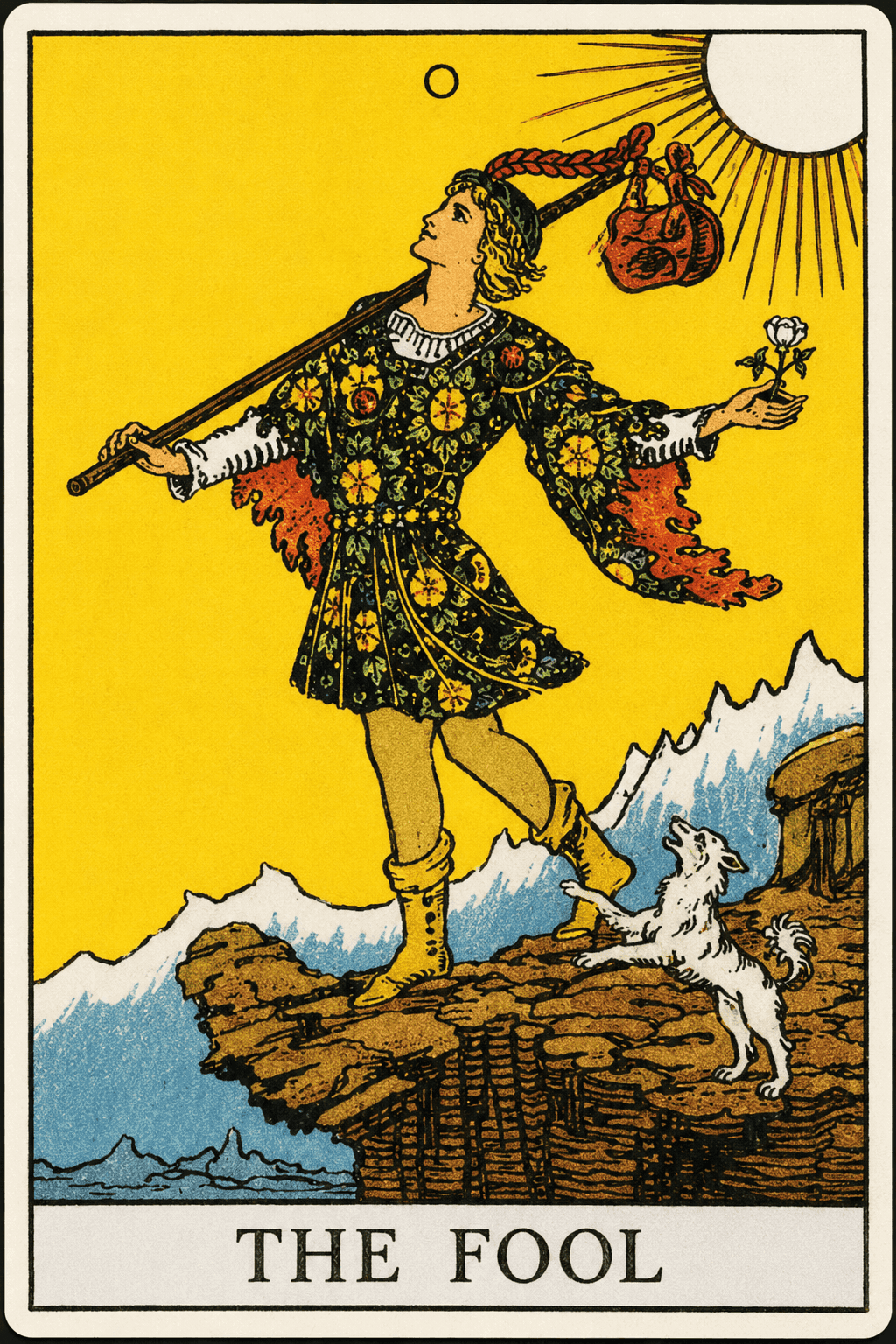
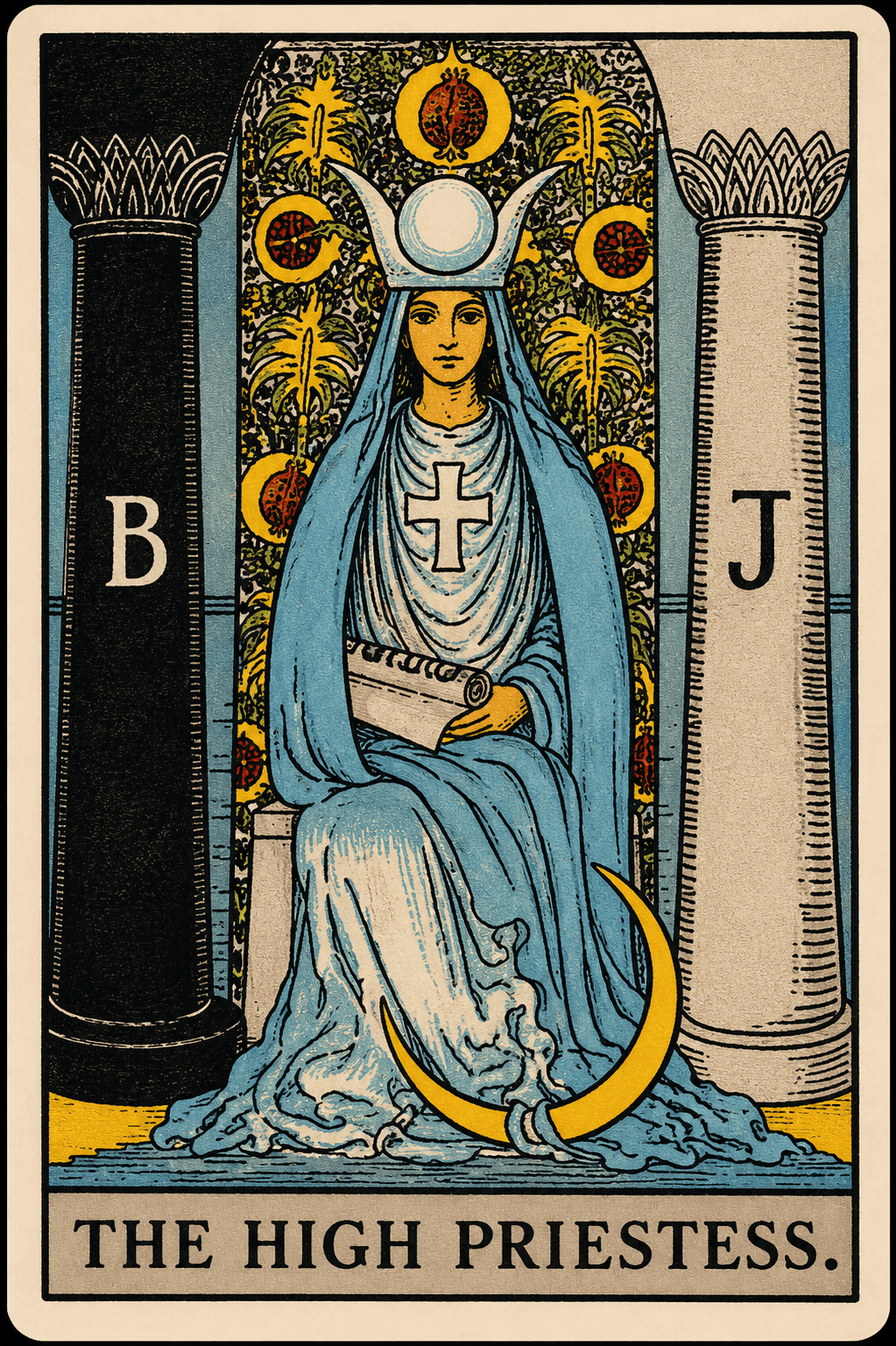
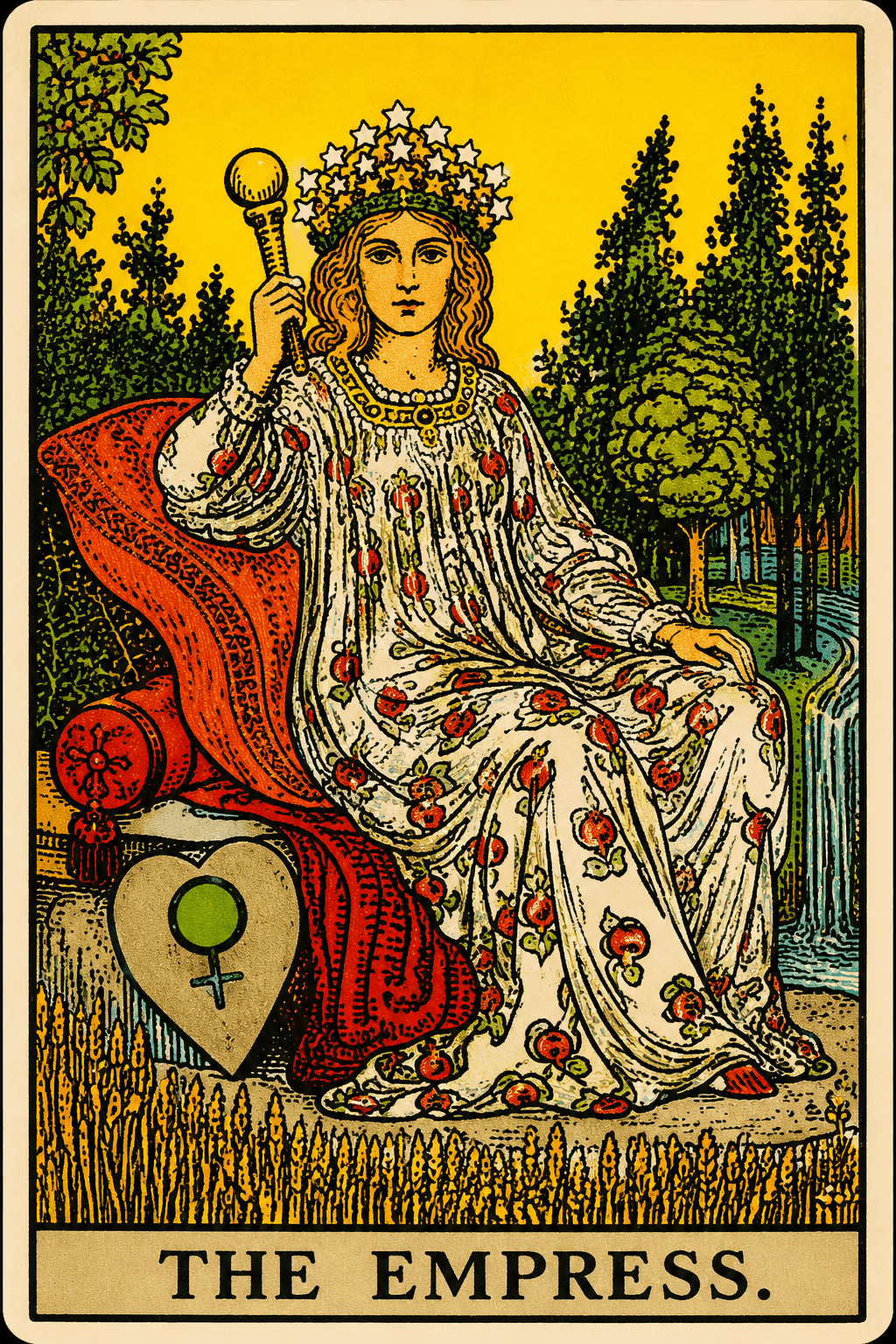
There is no rule against it
The idea that you cannot or should not read for yourself circulates widely and has no real basis, not in the historical practice, not in any tradition with authority over the rest. The overwhelming majority of people who read tarot read mostly for themselves, and that has always been true. If you have been waiting for permission, you have it.
What is true is that a self-reading is a genuinely harder skill than reading for someone else, for a reason that has nothing to do with rules. When you read for another person you have no stake in the answer, so you report what you see. When you read for yourself you already know which answer you want, and that changes what you see.
The actual problem, stated plainly
Tarot interpretation is flexible by design. Almost every card can be read as encouragement or as caution depending on framing: the Eight of Cups is either a necessary departure or a fear of staying, and both readings are defensible from the same image. That flexibility is what makes tarot useful for reflection, and it is also exactly the gap that motivated reasoning walks through.
So a self-reading rarely fails by giving you a wrong answer. It fails by giving you the answer you arrived with, dressed in enough symbolism to feel like it came from somewhere else. The tell is that you finish feeling reassured rather than clearer: recognition and relief are different sensations, and only one of them means the reading did any work.
Write the question down first
Before you touch the deck, write your question in one sentence. This single habit removes the most common failure mode, which is quietly changing the question once you see the cards: starting with 'should I leave this job' and finishing with a reading about how difficult your manager is.
A written question is also something you can check against afterwards. If your interpretation does not actually answer the sentence on the page, you have drifted, and you can see that you drifted rather than having to sense it.
Fix the positions, then read the card you like least
Decide what each position means before you shuffle and hold it after. Reassigning a position because the card fits better elsewhere is the quiet mechanism by which a reading becomes a horoscope, and when reading for yourself, nobody is watching you do it.
Then deliberately spend the most time on the card you like least. Your instinct will be to explain it away first and dwell on the encouraging cards afterwards; inverting that order is the single most effective correction available. If you find yourself constructing an elaborate case for why the difficult card is actually fine, that construction is the reading.
Record before you interpret, and do not re-draw
Write down the cards and positions before you write a word of interpretation. It sounds pedantic and it works, because it separates observation from analysis: later, reviewing the entry, you can see what was actually on the table versus what you made of it. Over months, that record is the only reliable way to catch your own recurring interpretive habits.
And treat the first draw as the reading. Pulling a clarifier because the answer was uncomfortable is the self-reader's characteristic mistake, and the deck cannot stop you. If a card genuinely makes no sense against the question, the honest move is to rewrite the question and start over deliberately: naming that you are doing it, rather than quietly drawing again.
What self-reading is genuinely good for
Given all that, it is worth saying what it does well, because it does a lot. A daily card builds a record of your own preoccupations that no single reading can show: patterns emerge across weeks that were invisible day to day. Reading for yourself before a hard conversation clarifies your own position, which is often the part you had not actually worked out.
The frame that keeps it honest is the same one that governs everything on this site: the cards are not telling you what will happen. They are giving your own judgment a structured place to land, and structure is precisely what thinking about your own life usually lacks.