
The calculation
Take your date of birth and add three numbers: the month, the day, and the full four-digit year. Then add the digits of that total together. If what you get is 22 or higher, add its digits once more. Stop when you have a number between 1 and 21. That is the number of your Major Arcana birth card.
Worked example, 15 March 1990: 3 + 15 + 1990 = 2008. Add the digits: 2 + 0 + 0 + 8 = 10. Ten is within range, so the birth card is the Wheel of Fortune. Second example, 2 November 1985: 11 + 2 + 1985 = 1998, then 1 + 9 + 9 + 8 = 27. Twenty-seven is above 21, so reduce again: 2 + 7 = 9, The Hermit.
The pair
When the result is a two-digit number of 21 or less, you can reduce it one more time to get a second card. The Wheel of Fortune at 10 reduces to 1 + 0 = 1, The Magician, so that birth date carries the pair Wheel of Fortune and The Magician. A result of 9 is already a single digit and stands alone.
The usual reading of a pair is that the larger number describes the lived, outward version and the smaller the underlying quality driving it. Wheel of Fortune over Magician reads as a life marked by cycles and timing, powered underneath by the capacity to act deliberately when the moment comes. That is a pleasing enough frame, and you should hold it loosely.
Where the conventions disagree
Methods vary and no one owns the definitive version. Some readers use the last two digits of the birth year rather than all four; some reduce the month and day separately before summing. These produce different cards for the same person, which is worth knowing before you attach much significance to any single result.
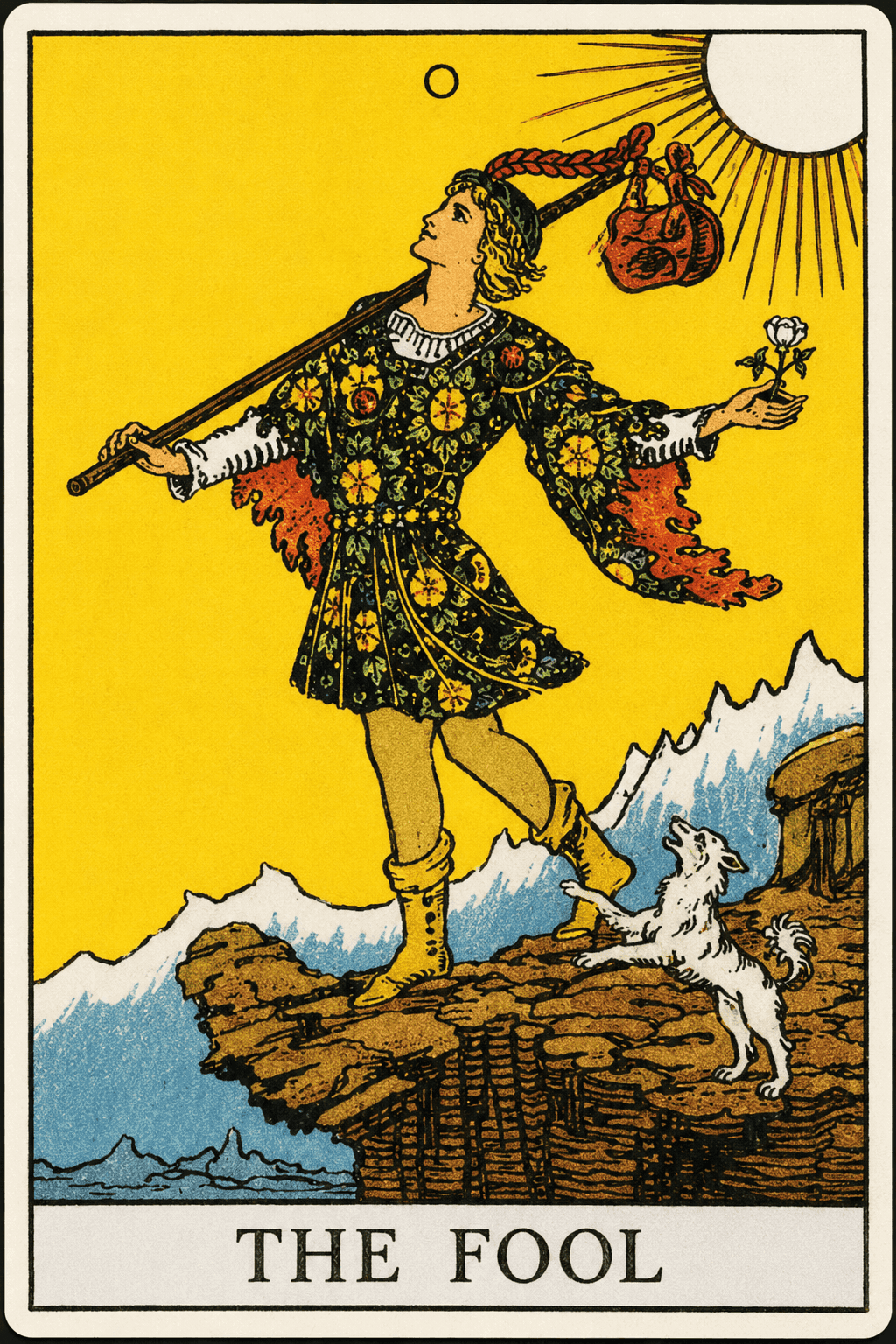
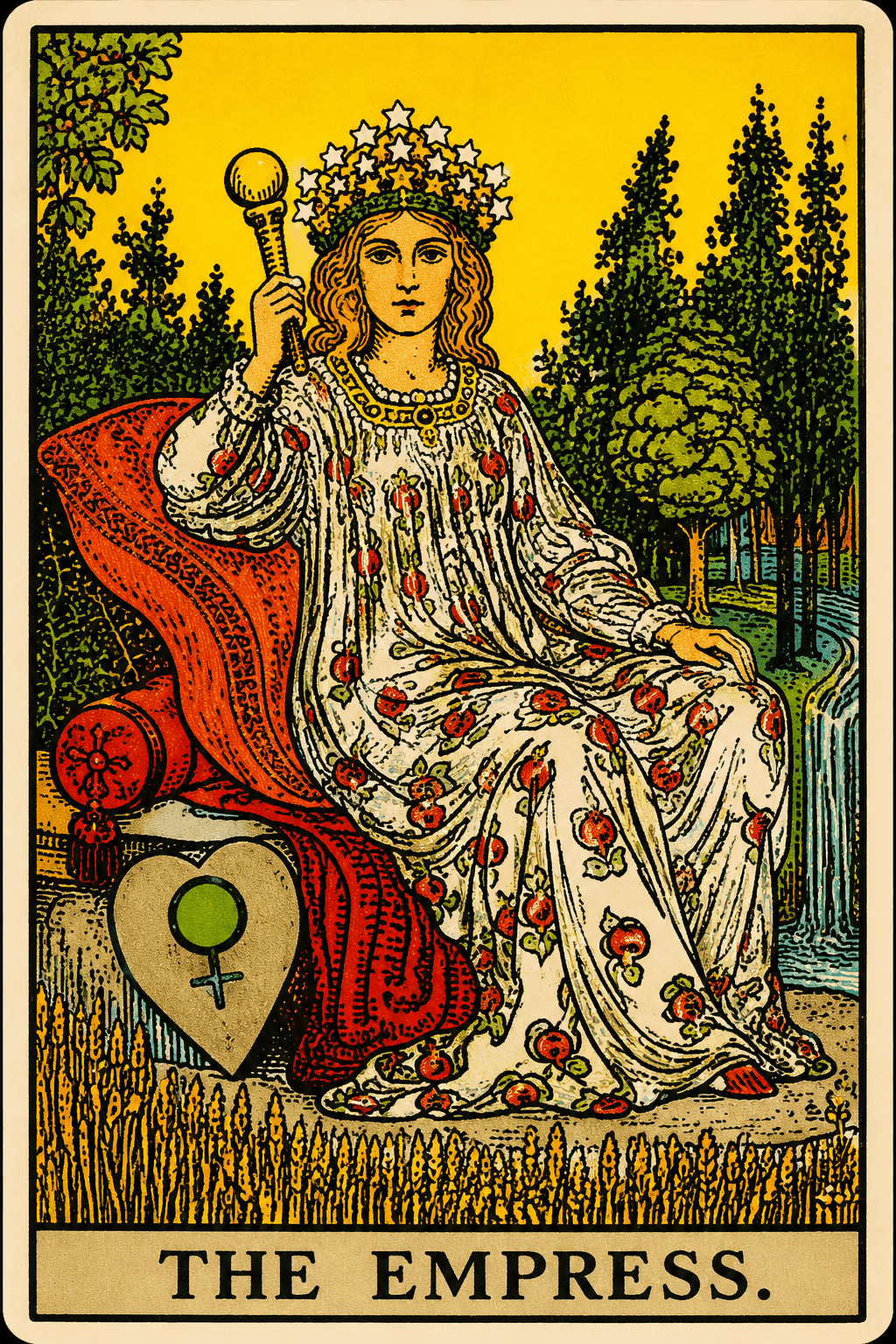
The clearest disagreement is at 22. One convention reduces it to 2 + 2 = 4, The Emperor. Another treats 22 as The Fool, numbered 0 and often printed as 22 in older decks. If your arithmetic lands there, you get to choose, and neither choice is more correct than the other.
How much weight to give it
Honestly: not much as a claim, and potentially quite a lot as a prompt. The calculation is arbitrary arithmetic performed on a calendar date, and the fact that different conventions produce different answers for the same person tells you most of what you need to know about its authority. Nobody should be told what they are like by a sum.
What it is good for is the same thing the rest of tarot is good for. Being handed one specific Major Arcana card and asked to consider whether its themes echo anything in your life is a decent reflective question: better than a blank page, because it is specific enough to argue with. If the card feels wrong, that reaction is worth examining too, and it costs nothing to sit with either way.
A more useful version of the same exercise
If the birth card idea appeals, there is a variation with more substance behind it: instead of calculating one, look back through a few months of your own readings and find which Major Arcana card actually turns up most. That card is derived from your real practice and your real questions rather than from a date you did not choose.
It also tends to be more uncomfortable, and more accurate for it. A recurring card is telling you something about the questions you keep asking, which is a genuine pattern in your life, rather than an arithmetic coincidence with your birthday.