Card Library
The Major Arcana
The Major Arcana are the 22 trump cards of a tarot deck, numbered 0 to 21 from The Fool to The World. They describe the large forces and turning points of a life rather than its daily texture, and a reading weighted toward them is usually about something structural rather than something practical.
The Major Arcana are the 22 archetypal tarot cards, numbered 0 (The Fool) through 21 (The World). They represent the major forces and turning points of a life: the big themes a reading is really about. When a Major Arcana card appears, it usually signals that the matter carries real weight.
All 22 Major Arcana cards
Major Arcana
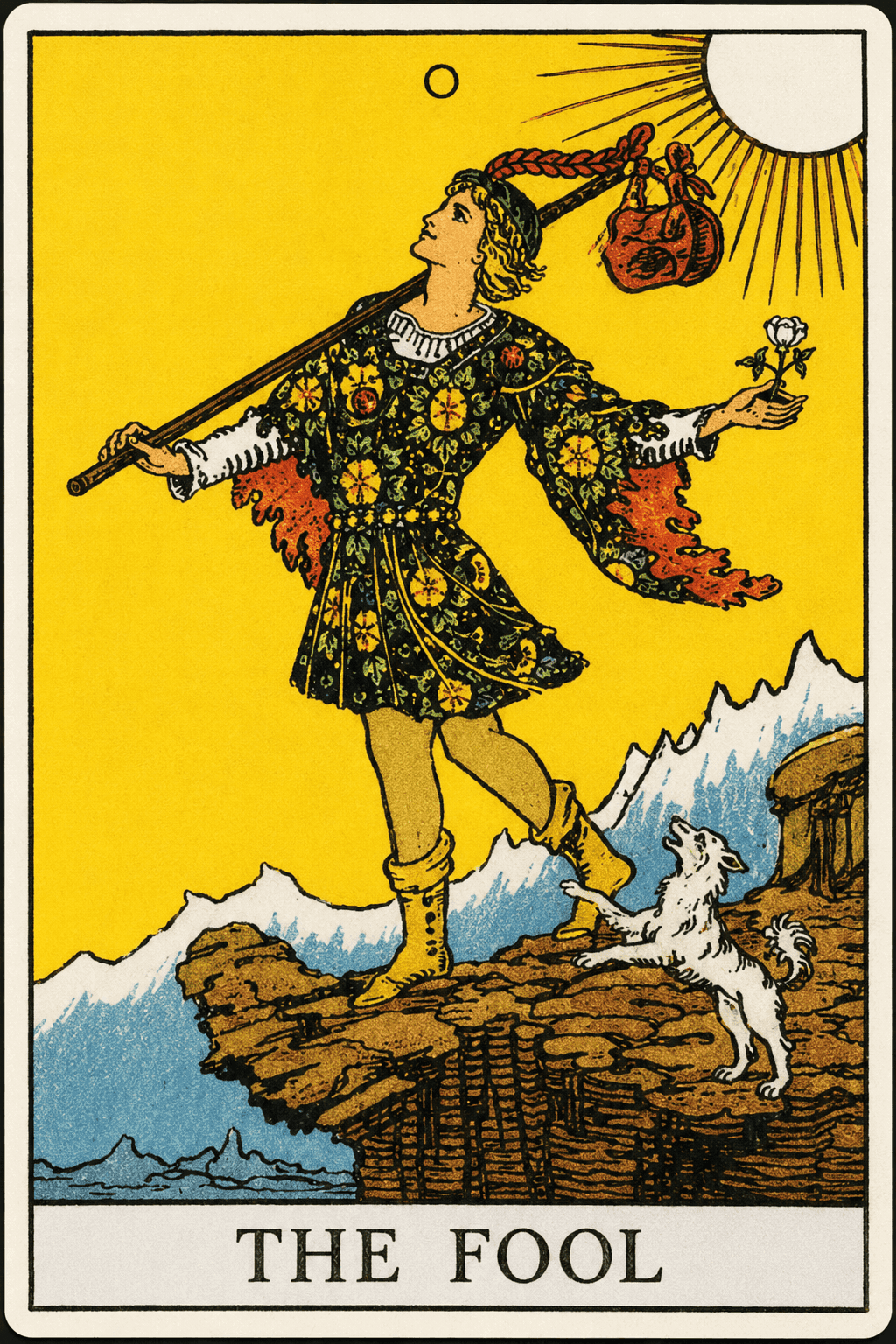
The Fool
new beginnings · spontaneity · trust
Major Arcana
The Magician
manifestation · resourcefulness · focus
Major Arcana
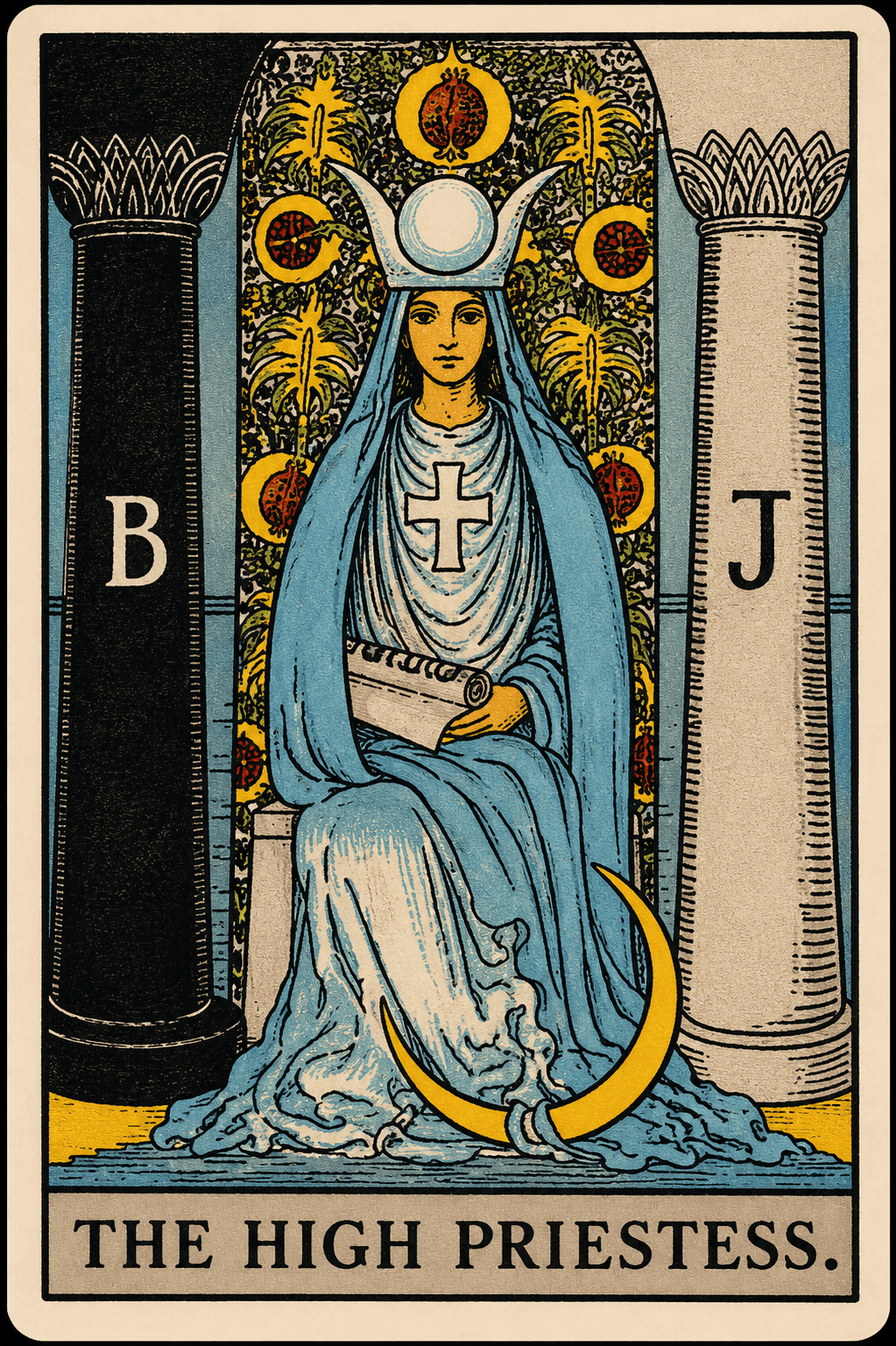
The High Priestess
intuition · mystery · inner knowing
Major Arcana
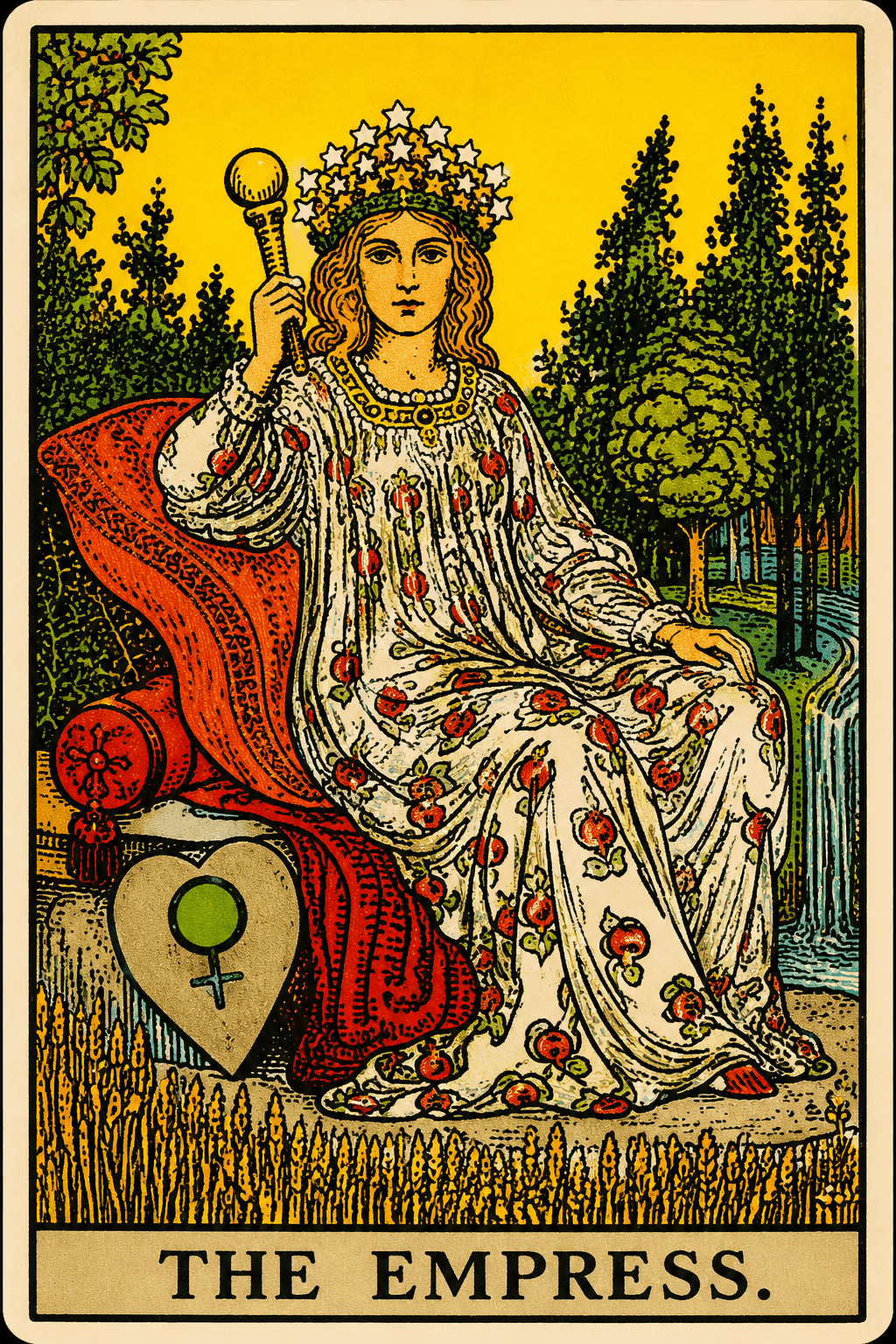
The Empress
abundance · nurturing · creativity
Major Arcana
The Emperor
structure · authority · discipline
Major Arcana
The Hierophant
tradition · guidance · belonging
Major Arcana
The Lovers
connection · values · choice
Major Arcana
The Chariot
willpower · drive · victory
Major Arcana
Strength
courage · patience · compassion
Major Arcana
The Hermit
introspection · solitude · guidance
Major Arcana
Wheel of Fortune
change · cycles · turning point
Major Arcana
Justice
fairness · truth · accountability
Major Arcana
The Hanged Man
surrender · new perspective · pause
Major Arcana
Death
transformation · release · transition
Major Arcana
Temperance
balance · moderation · harmony
Major Arcana
The Devil
attachment · restriction · temptation
Major Arcana
The Tower
upheaval · revelation · awakening
Major Arcana
The Star
hope · renewal · inspiration
Major Arcana
The Moon
uncertainty · illusion · intuition
Major Arcana
The Sun
joy · vitality · clarity
Major Arcana
Judgement
awakening · reckoning · renewal
Major Arcana
The World
completion · wholeness · accomplishment
What makes a card 'Major'
The distinction is structural rather than a judgement of importance. The Major Arcana are a separate 22-card sequence with their own numbering and no suit, which is why they carry no element and no arena. Where the Five of Pentacles is disruption in material life, The Tower is disruption without a specified domain. It applies to whatever the question is about. That absence of an arena is precisely what makes the Majors read as broader, and it is also why they say less about what to actually do.
The sequence is a sequence
The 22 run in a deliberate order that most readers learn as a narrative, from The Fool stepping off at 0 to The World completing at 21. Cards near each other in the order relate: The Devil at 15 and The Tower at 16 describe a bond and the collapse of what was built on it, and The Tower at 16 and The Star at 17 describe upheaval and the quiet recovery after it. Knowing a card's neighbours recovers its sense faster than any keyword list.
Majors and timing
The Major Arcana are notably unhelpful about when. They describe conditions and turning points, not schedules, and readers who use suit-based timing systems generally exclude them. A spread full of Majors and empty of Minors frequently means the situation has not yet reached the stage where dates apply: the theme is established, the practical detail is not.
Where the Majors came from
In the fifteenth-century Italian decks the Majors were a trump suit for a trick-taking game, ranked to beat the four ordinary suits. Their archetypal reading is a later layer, attached during the eighteenth and nineteenth centuries. That history is worth knowing because it explains the numbering and the ranking without requiring any claim about ancient origins, which the earliest decks do not support.
When a spread leans this way
- Three or more Majors in a small spread usually means the matter carries more weight than the question implied, you asked something practical and the deck answered structurally.
- A spread of only Majors describes forces without telling you where they touch the ground. Drawing an extra Minor for 'what does this look like this week' is often more useful than a clarifier.
- Almost no Majors in a question that feels enormous is worth noticing too. The reading is saying the situation is more ordinary and more workable than it currently feels.
The common misreading
Often said: A Major Arcana card means something big, fated, and outside your control.
More accurately: Weight is not the same as inevitability, and nothing in the deck's structure makes the Majors more fixed than any other card. What the Majors actually lack is a specified arena, which makes them read as broad, and broad gets misheard as fated. A spread heavy with Majors is describing the scale of a theme, not removing your ability to act on it, and treating those cards as verdicts is the fastest way to turn a reading into something that happens to you.
Terms on this page
Full glossaryExplore other groups
Common questions
What are the Major Arcana in tarot?
The 22 trump cards of a tarot deck, numbered 0 through 21 from The Fool to The World. They carry no suit and no element, which is why they describe broad themes and turning points rather than the everyday, practical situations the 56 Minor Arcana cover.
How many Major Arcana cards are there?
Twenty-two, numbered 0 (The Fool) to 21 (The World). Together with the 56 Minor Arcana they make up the standard 78-card deck.
What does it mean when a reading is mostly Major Arcana?
Usually that the matter is larger or more structural than the question implied. It can also mean the situation has not yet reached the stage where practical detail applies, since the Majors describe conditions rather than actions or timing.
Are Major Arcana cards more important than Minor Arcana?
Not more important, broader. Majors describe themes without naming an arena; Minors describe what is actually happening, in which part of your life, at what stage. A reading tends to be most actionable exactly where the Minors are.
What is the first Major Arcana card?
The Fool, numbered 0 and placed at the start, which is what makes the sequence a journey the Fool takes. Some traditions place it at the end as 22 or outside the numbering altogether, on the grounds that the Fool moves through the other cards rather than being a stage among them.
Do the Major Arcana predict the future?
No. They describe the shape and weight of a situation as it stands, and nothing in a randomised draw connects to future events. Reading them as fate is the most common way this group gets misused, because their breadth is easily mistaken for inevitability.