Card Combination
Ten of Wands and The Hanged Man
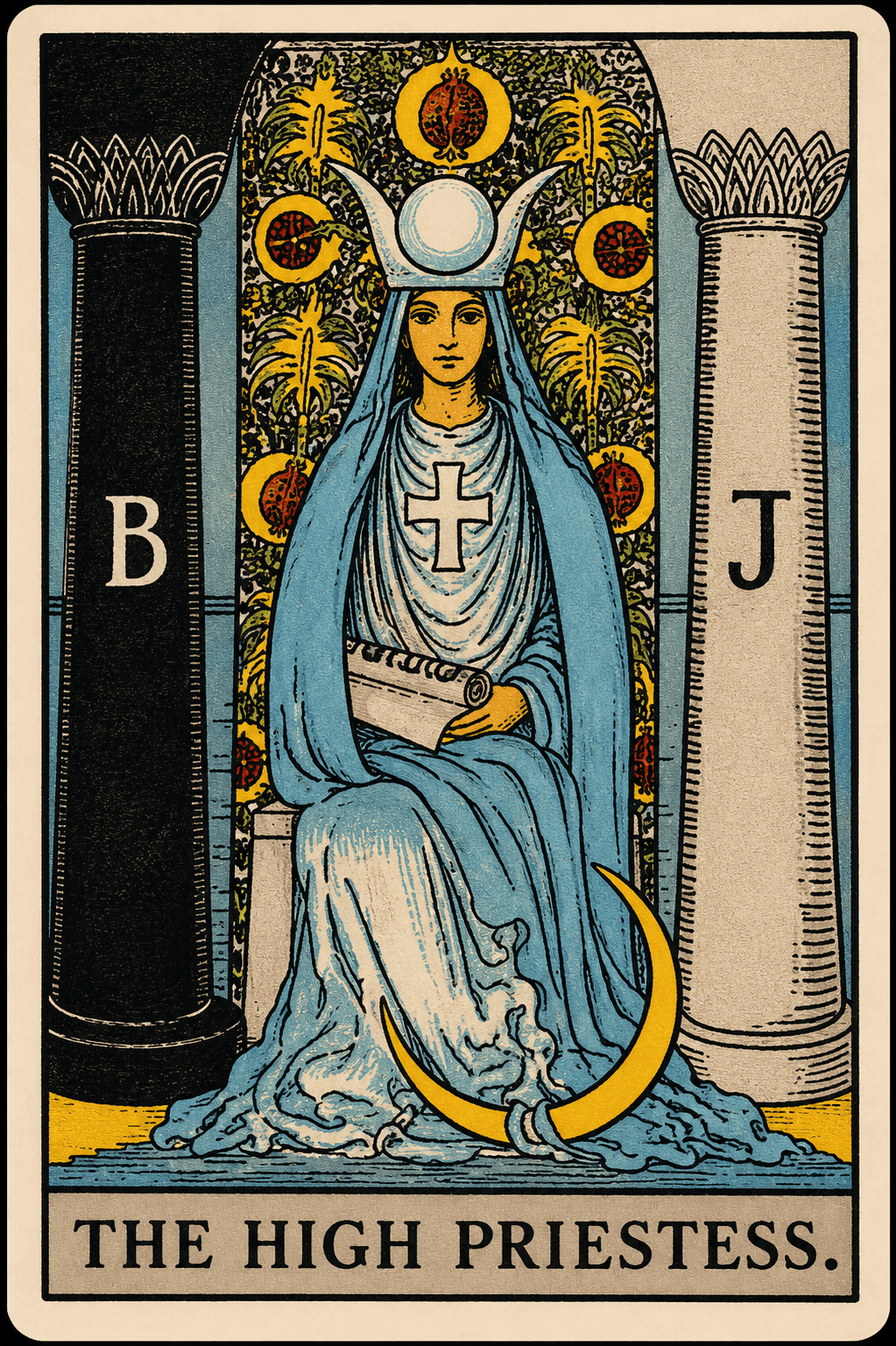
Ten of Wands and The Hanged Man together describe carrying too much and being stopped anyway. The Ten of Wands is a load taken on and not put down; The Hanged Man is the halt that arrives whether or not you were ready. Together they describe burnout with the pause enforced rather than chosen.
How these two cards change each other
This is the part neither card’s own page can tell you — what each one does to the other when they land together.
The Hanged Man ends the Ten of Wands by force. The Ten describes a load that continues because nobody puts it down. The Hanged Man is what happens when the choice is removed, which is the usual way overload actually stops.
The Ten of Wands explains why The Hanged Man's pause is unwelcome. Suspension is difficult generally and worse when a great deal is still owed to other people, which is exactly the Ten's situation.
Together they describe a specific and common sequence: not stopping, then being stopped. The pairing does not moralise about it, and the honest content is that the load was never sustainable and the halt was a matter of timing.
Ten of Wands and The Hanged Man in context
In burnout
The point where capacity runs out rather than a decision to rest. Frequently illness, a missed deadline, or something simply not being done. The pairing's useful content is that the load has to be reduced rather than rescheduled, because the same load will produce the same halt.
In work
Overcommitment meeting a stop: a project frozen, a role changed, sick leave. Often experienced as failure and more accurately described as arithmetic.
In caregiving
The Ten of Wands covers responsibilities that cannot be declined. With The Hanged Man the pairing is about the limits of that, and it is unusually direct that carrying everything is not a durable arrangement.
When one or both are reversed
Ten of Wands reversed, The Hanged Man upright
The load being set down during the pause. The productive version: the halt is being used to reduce what gets picked up again rather than waited out.
The Hanged Man reversed, Ten of Wands upright
Carrying on without the stop. The load continues and the pause has not arrived yet, which reads less as reprieve than as postponement.
Both reversed
Neither overload nor suspension. Usually a recovering period where the weight has come off and normal capacity has not returned.
The common misreading
Often said: The Hanged Man means you should surrender and accept it.
More accurately: Surrender here is frequently heard as accepting the load, which is the opposite of what the pairing describes. The Hanged Man's pause is an opportunity to change what happens next, and the Ten of Wands is explicit that what needs changing is the amount rather than the attitude toward it.
If you drew this, ask yourself
What is on this list that was never actually mine to carry?
Ten of Wands and The Hanged Man: frequently asked questions
What do Ten of Wands and The Hanged Man mean together?
Overload meeting an enforced stop. The Ten of Wands supplies a load that was never put down and The Hanged Man supplies the halt that arrives regardless, so together they describe burnout with the pause imposed.
Does this pairing mean burnout?
It describes the shape of it closely: capacity running out rather than a decision to rest. Cards do not diagnose, and where this is persistent it warrants more than a reading.
Should I just accept the situation?
Not the load. The Hanged Man's pause is an opening to change what gets picked up again, and the Ten of Wands indicates the amount is the problem.
How do I stop this repeating?
The Ten of Wands reversed during the pause is the productive configuration: the halt used to reduce the load rather than waited out until the same weight resumes.
Related pairings
All combinationsThe Tower + The Hanged Man
A collapse followed by an enforced pause. The Tower removes a structure; The Hanged Man is the suspended period afterwards where nothing can be rebuilt yet. Together they describe the waiting that follows a shock, which is its own distinct difficulty.
The Hanged Man + The Star
Waiting that is doing something. The Hanged Man is suspension you cannot rush; The Star is quiet faith returning. Together they describe a pause that is restorative rather than wasted, which is the distinction that makes it bearable.
Two of Pentacles + The Chariot
Juggling, with a direction. The Two of Pentacles is keeping several things in the air at once; The Chariot holds opposing forces together and moves anyway. Together they describe managing competing demands without losing the thread of where you are going.
Draw your own
Combinations are most useful when they are your cards, in answer to your question.