
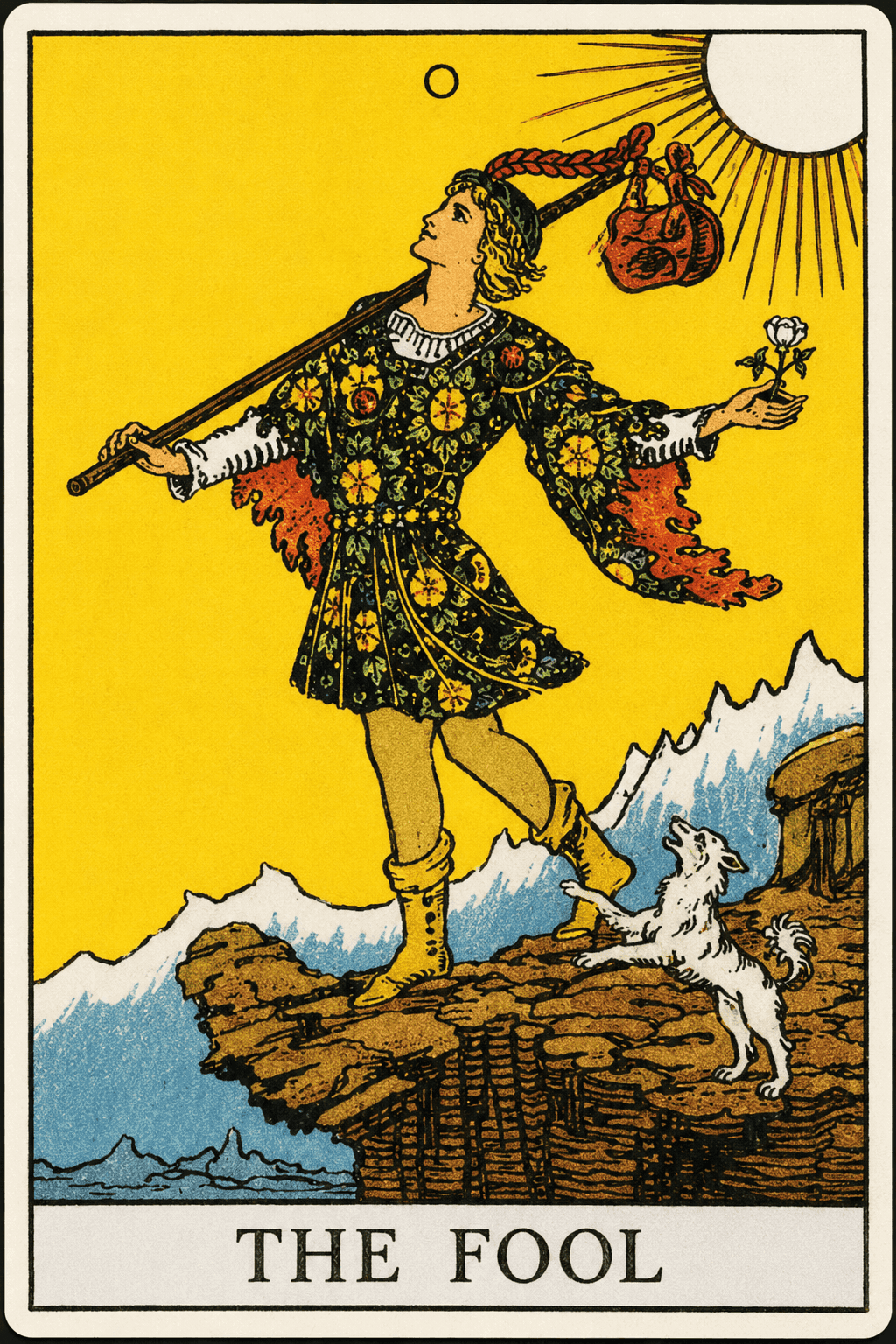
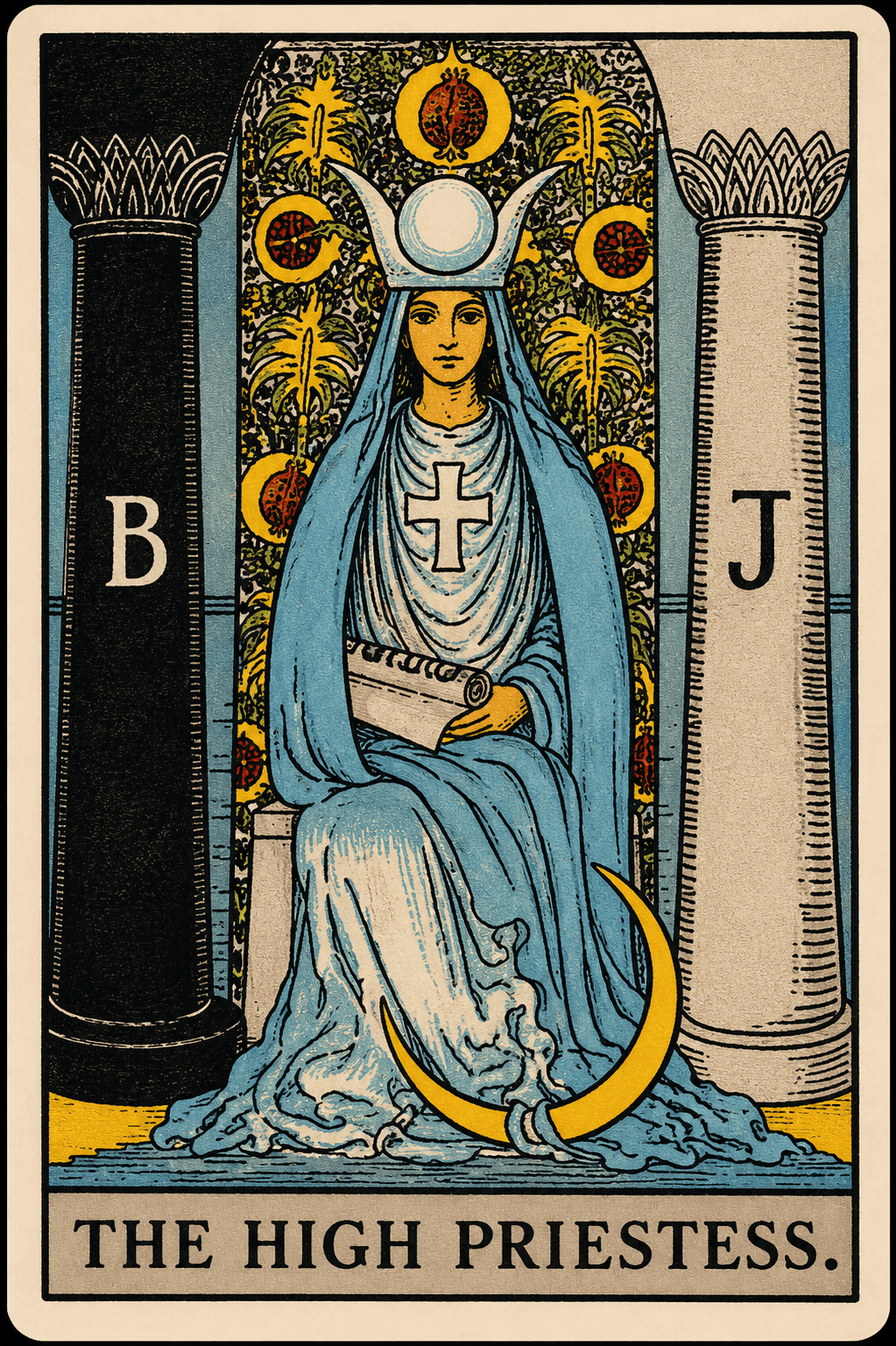
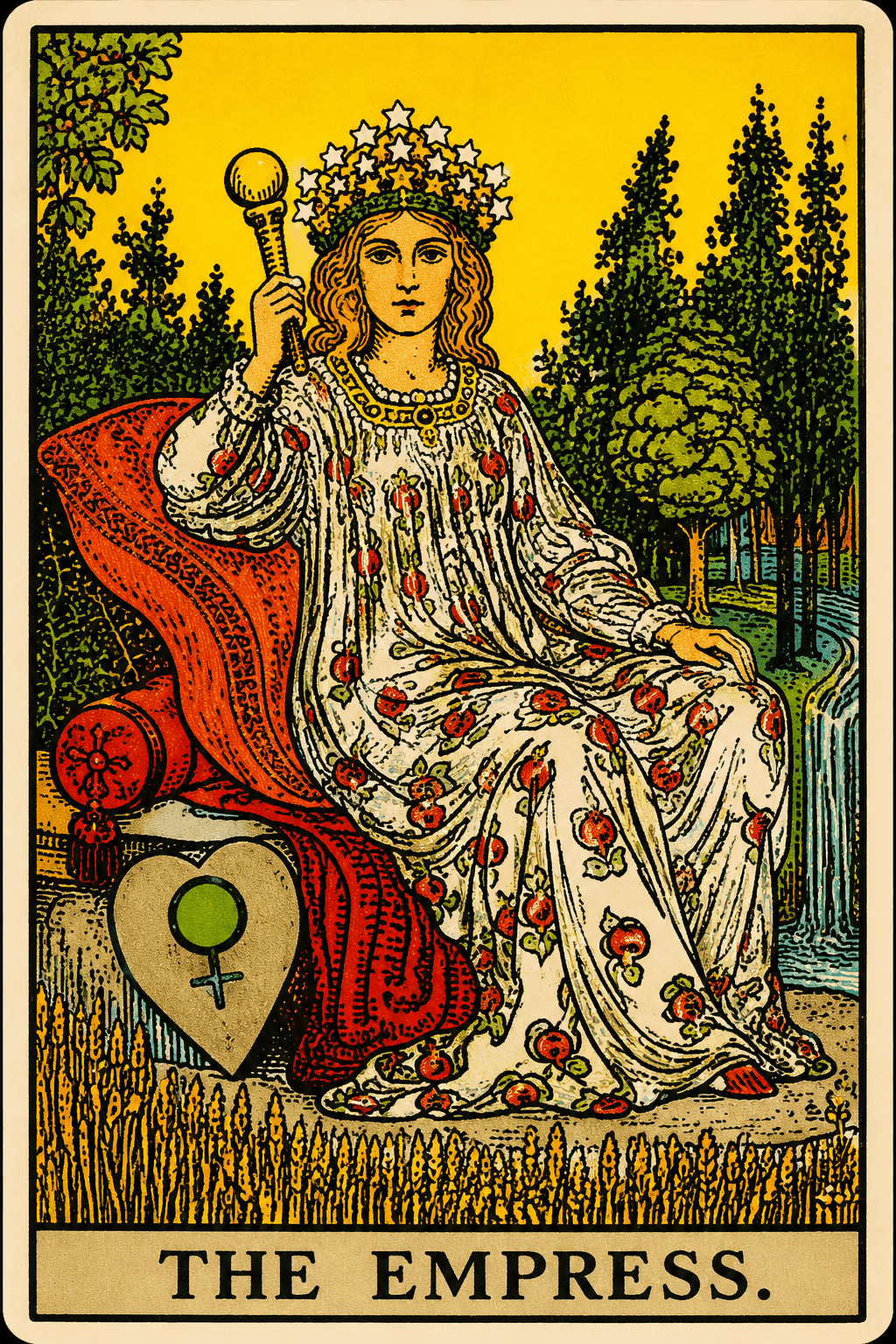
Card Combination
The Devil and Three of Swords
The Devil and Three of Swords together describe pain you keep returning to. The Three of Swords is the injury itself; The Devil is the attachment that makes leaving it feel impossible. Together they describe hurt that has become a habit rather than an event, which is a different problem from the original wound.
How these two cards change each other
This is the part neither card’s own page can tell you — what each one does to the other when they land together.
The Devil makes the Three of Swords recurring. A Three of Swords alone is an event with a beginning and an end. The Devil removes the end, describing a wound that gets revisited rather than one that closes.
The Three of Swords gives The Devil its hook. The Devil on its own is attachment without a stated object. Here the thing binding you is specifically something that hurt, which is more common than attachment to something pleasant and considerably harder to name from inside.
Together they distinguish the injury from the relationship with it. Both cards are painful; only one of them is currently changeable, and confusing which is which is what keeps this pairing in place.
The Devil and Three of Swords in context
In love
Often a relationship that hurts and continues, or an ended one that is still being lived in. The Devil is not a judgement on the person staying: it describes a bind that feels genuinely inescapable from the inside. What it does insist on is that the bind is being maintained by something, and that the something is worth naming.
In rumination
Outside relationships this pairing describes returning to a specific memory, a rejection, a failure, a conversation. The Three of Swords supplies the scene and The Devil supplies the compulsion to replay it, which is a recognisable pattern and a treatable one.
In family
A hurt embedded in an ongoing relationship that cannot simply be exited. This is the arena where the pairing is least about choice and most about managing proximity to something that keeps reopening.
When one or both are reversed
The Devil reversed, Three of Swords upright
The bind is loosening while the pain remains. Genuinely hopeful: the wound is still there and the compulsion to return to it is weakening, which is the order recovery usually happens in.
Three of Swords reversed, The Devil upright
The injury is healing and the attachment persists. Being bound to something that no longer hurts as much, which is disorienting and common after a long difficulty ends.
Both reversed
Neither the pain nor the bind is acute. Often the quiet point where something genuinely releases, and it rarely feels dramatic while it is happening.
The common misreading
Often said: The Devil and Three of Swords means the relationship is toxic and you must leave.
More accurately: The pairing describes a bind and an injury, not a diagnosis or an instruction. Naming a relationship toxic from two cards flattens situations that differ enormously, and where genuine harm is involved that judgement needs a person who knows the specifics rather than a card layout. What the pairing supports is asking what maintains the pattern.
If you drew this, ask yourself
What am I getting from returning to this that I am not getting elsewhere?
The Devil and Three of Swords: frequently asked questions
What do The Devil and Three of Swords mean together?
Pain that keeps being returned to. The Three of Swords supplies a specific injury and The Devil supplies the attachment that makes leaving it feel impossible, so together they describe hurt that has become a pattern.
Does The Devil and Three of Swords mean a toxic relationship?
It describes a bind alongside an injury, which fits some harmful relationships and also fits grief, rumination, and situations that cannot simply be exited. A judgement about harm needs someone who knows the specifics.
Is The Devil and Three of Swords telling me to leave?
It is not an instruction. What the pairing genuinely points at is identifying what maintains the pattern, because the attachment is the part that is currently changeable and the past injury is not.
How does this pairing improve?
Usually The Devil reverses before the Three of Swords does. The compulsion to return tends to loosen while the wound is still present, which is why recovery often feels incomplete at the point it is actually working.
Related pairings
All combinationsThe Devil + Eight of Swords
A pairing about feeling trapped. The Devil points to attachment or a binding pattern; the Eight of Swords is restriction that's largely self-imposed by fear. Read together, they're less a sentence than a wake-up call: the constraint feels total but is looser than it seems. Naming what's really holding you is the first step free.
The Lovers + The Devil
The deck's most pointed pairing, and deliberately so, in the Rider-Waite-Smith images the same two figures stand under an angel in The Lovers and under a horned figure in The Devil, now chained. Together the cards ask whether a bond is still chosen or has quietly become something you are staying inside out of habit, fear, or want.
Five of Cups + Three of Swords
Loss, and the way of looking at it. The Three of Swords is the wound itself; the Five of Cups is standing over it with your back to what remains. Together they describe grief that is real and attention that has narrowed to only the grief.
Draw your own
Combinations are most useful when they are your cards, in answer to your question.