
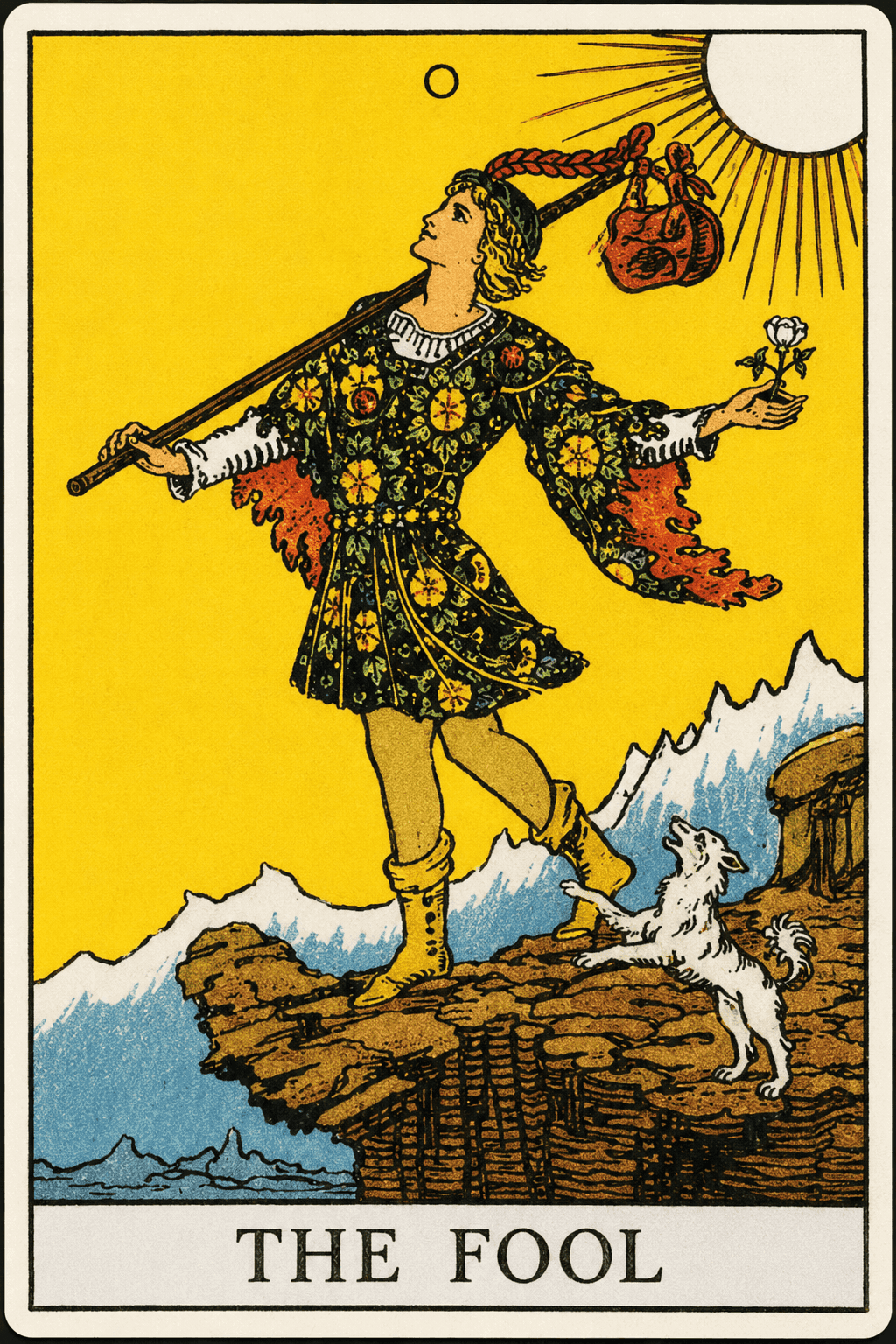
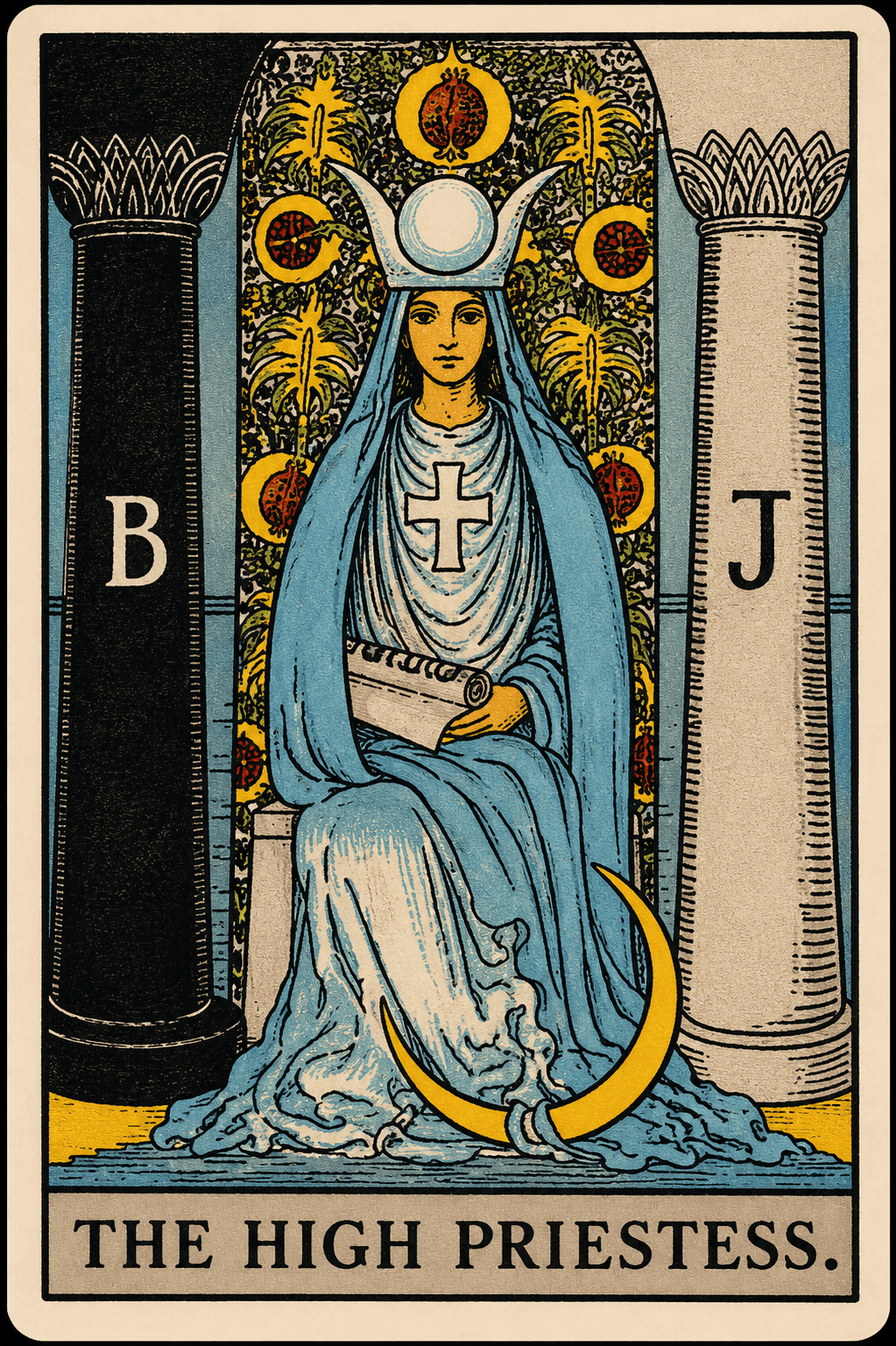
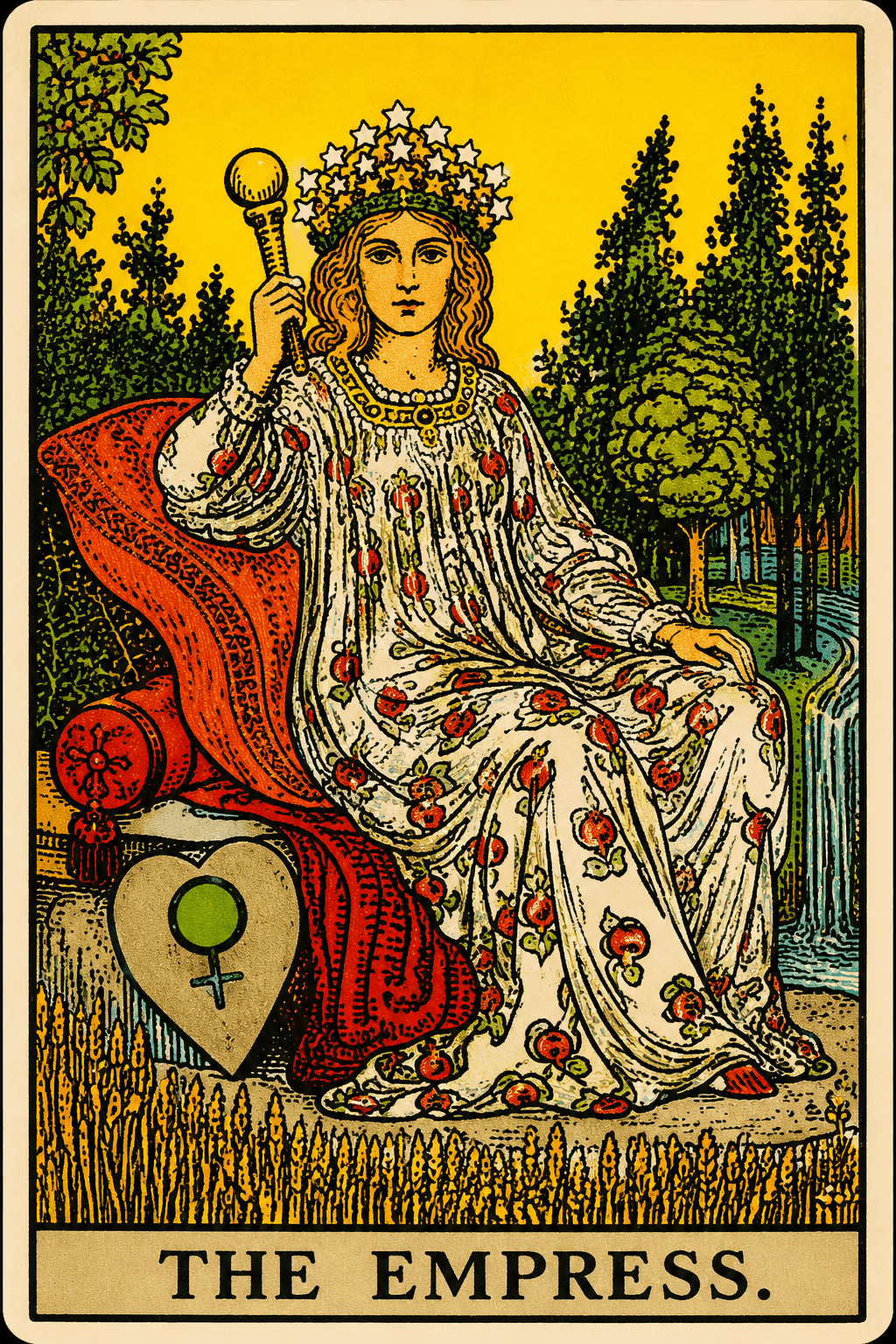
Why the habit usually dies fast
Most people start a daily card practice the same way they'd start reading a horoscope: pull the card, read the blurb, close the app, forget it by lunch. There's no actual habit loop there, nothing that requires you, nothing that changes if you skip it. Habits that don't require anything of you tend not to survive contact with a busy Tuesday.
The fix isn't more discipline. It's redesigning the ritual so it actually asks something small of you, which is what makes a habit sticky in the first place.
Three adjustments that make it durable
Attach it to something you already do without fail: coffee, commute, the first phone check of the day. A new habit needs a hook; 'sometime today' is not a hook. Answer the reflection question instead of just reading it. Even one sentence turns a passive glance into an actual moment of thought, which is the part that compounds. Let it be short. Thirty seconds of real attention beats five minutes of skimming you don't remember by the afternoon.
None of this requires the card to feel profound every day. Most days it won't, and that's fine: the value isn't in every card landing, it's in the thirty-second pause becoming automatic.
What you're actually building
A daily card isn't really about the card. It's a small, repeatable prompt to check in with yourself once a day, with just enough external structure that you don't have to invent the question from scratch each morning. Over weeks, the specific cards mostly blur together: what stays is the habit of the thirty-second pause itself, which is the whole point.
A thirty-second version that survives a bad week
Pull one card. Say what is literally in the image before you say what it means: who is present, what they are doing, what the weather is like. Then answer one question: where does that show up today? Write one line. Close the app. That is the entire practice, and its brevity is the point rather than a compromise.
Habits fail at the ambitious version and survive at the minimum one. A thirty-second pull you do ninety days running produces a record worth reading; a twenty-minute ritual you do six times does not. If you want the longer version on a quiet Sunday, that is a bonus rather than the standard you are failing to meet.
What to do when the card means nothing to you
Most days it will not land, and readers who expect daily profundity quit at around week three. The move on a flat day is not to pull again. That turns the practice into drawing until you like the answer. It is to write "nothing today" and the card, and move on. The record is still complete, and a run of flat days is itself information about how much attention you currently have available.
The second option is to read the card as a question rather than a statement. The Four of Pentacles on a day when nothing is happening becomes "what am I holding onto?", which is answerable even when the card feels inert.
Morning or evening, and what changes
A morning pull works as a lens: you carry the card through the day and notice where it shows up, which makes the practice prospective and light. An evening pull works as a review: you draw against a day that already happened and ask what the card names about it, which tends to produce sharper entries and more discomfort.
Neither is better and switching between them is what breaks the habit, because the practice loses its hook. Pick the one that attaches to something you already do without fail (the first coffee, the commute, the phone on the bedside table) and keep it there.