Tarot Card Library
The Star
The Star tarot card meaning: upright & reversed interpretations, plus love, career & yes-or-no guidance. Keywords: hope, renewal, inspiration.

Tarot Card
Major ArcanaThe Star: symbolism & imagery
A woman pours water onto land and into a pool, reaching both inner and outer life, seven small stars circle one large star, a bird settles peacefully into a tree.
The Star upright meaning
Hope, after the hardest part is over. The Star is quiet renewal, faith returning, and inspiration that isn't naive, it's earned.
All 78 cards at a glanceThe Star reversed meaning
Reversed, it can mean despair, disconnection, or a difficulty trusting that things are actually getting better.
All 78 reversed meaningsThe Star in love & relationships
The Star in love brings a hopeful, healing quality returning after a harder chapter: renewed faith, openness, and a sense that things are genuinely getting better. It's gentle rather than dramatic. The card encourages you to let yourself hope again; this optimism is earned, not naive.
Free love tarot readingThe Star in career & work
At work, The Star is renewed inspiration and the sense that the difficult part is behind you. It favors reconnecting with why the work matters and trusting a gradual recovery. Progress may be quiet, but the direction is genuinely upward: a real turning point, not wishful thinking.
Free career tarot readingThe Star in money & finances
Financially, The Star points to recovery and a more hopeful outlook, even if progress is gradual. After a lean or stressful stretch, conditions are easing. The card counsels steady faith and patience: improvement here is real, if slow.
How The Star feels
Quiet optimism, even if it hasn't fully returned yet.
The Star: advice
Let yourself hope again. This is a genuine turning point, not wishful thinking.
The Star: reflection prompt
What would it feel like to trust that things are getting better?
Is The Star a yes or no?
yes, especially if you've been through something difficult recently
Yes or no leanings for all 78 cardsThe Star in combination
All combinationsWhat two cards do to each other is not on either card’s own page. These pairings are read in full elsewhere.
With The Sun
The Sun + The Star
A radiantly hopeful combination. The Star is quiet renewal and returning faith after difficulty; The Sun is full, uncomplicated joy and clarity. Together they suggest healing giving way to genuine happiness: the hard part is behind you, and what's arriving is bright, warm, and real rather than wishful thinking.
With The Tower
The Tower + The Star
Collapse followed by healing, one of the deck's most reassuring sequences. The Tower shatters something that wasn't stable; The Star brings hope, renewal, and calm afterward. Together they promise that the upheaval, however jarring, clears the way for genuine recovery. What follows the disruption is quieter, truer, and more hopeful.
With Three of Swords
Three of Swords + The Star
Heartbreak beginning to heal. The Three of Swords is sharp, honest grief; The Star is hope and renewal returning. Together they describe pain that is real but already softening: the worst of the hurt is passing, and quiet recovery is genuinely underway. A gentle, encouraging pairing after a hard chapter.
With The Hermit
The Star + The Hermit
Recovery that happens quietly and alone. The Hermit is deliberate withdrawal; The Star is faith returning after something difficult. Together they describe healing that does not need an audience, and solitude that is restorative rather than avoidant.
With The Hanged Man
The Hanged Man + The Star
Waiting that is doing something. The Hanged Man is suspension you cannot rush; The Star is quiet faith returning. Together they describe a pause that is restorative rather than wasted, which is the distinction that makes it bearable.
With Five of Pentacles
Five of Pentacles + The Star
Hardship with help nearby. The Five of Pentacles is material lack and the isolation that comes with it; The Star is relief and returning faith. Together they describe difficulty that is real and not permanent, and often help that has not been asked for.
With Six of Swords
Six of Swords + The Star
Leaving something difficult, with the worst behind you. The Six of Swords is passage to calmer water; The Star is faith returning once you arrive. Together they describe a transition that is genuinely toward recovery rather than merely away from harm.
With The Fool
The Star + The Fool
Hope, and the willingness to act on it. The Star is faith returning after something hard; The Fool is the step taken while it is still fragile. Together they describe beginning again before you feel entirely ready, which is usually when it happens.
With Temperance
Temperance + The Star
Healing that proceeds at the right pace. Temperance is patient blending and moderation; The Star is faith returning after difficulty. Together they describe recovery that cannot be hurried and does not need to be, which is a rare pairing to draw and a good one.
With Ace of Cups
Ace of Cups + The Star
Feeling returning after a dry stretch. The Ace of Cups is the source opening again; The Star is the faith that makes it possible to trust it. Together they describe emotional recovery, often after a period of not feeling much at all.
With Five of Cups
Five of Cups + The Star
Grief with something still standing behind it. The Five of Cups is attention fixed on what was lost; The Star is the quiet return of faith. Together they describe the point where you begin to turn around.
With Death
Death + The Star
An ending followed by relief rather than dread. Death closes something permanently; The Star is what arrives in the space afterwards. Together they describe a conclusion that turns out to have been survivable, and often overdue.
The Star: frequently asked questions
What does The Star mean?
Hope, after the hardest part is over. The Star is quiet renewal, faith returning, and inspiration that isn't naive, it's earned.
What does The Star mean reversed?
Reversed, it can mean despair, disconnection, or a difficulty trusting that things are actually getting better.
What does The Star mean in love?
The Star in love brings a hopeful, healing quality returning after a harder chapter: renewed faith, openness, and a sense that things are genuinely getting better. It's gentle rather than dramatic. The card encourages you to let yourself hope again; this optimism is earned, not naive.
Is The Star a yes or no card?
yes, especially if you've been through something difficult recently
Is The Star a Major or Minor Arcana card?
The Star is one of the 22 Major Arcana, the trump cards that carry no suit and no element. That is why it describes a broad theme rather than naming a specific part of life the way a Minor Arcana card does.
Which tarot cards pair notably with The Star?
The Star has worked-through pairings with The Sun, The Tower, Three of Swords, The Hermit, The Hanged Man, Five of Pentacles, Six of Swords, The Fool, Temperance, Ace of Cups, Five of Cups, Death. Each of those combinations reads differently from either card alone, because the two cards modify each other rather than simply adding up.
Terms on this page
Full glossaryMore of the Major Arcana
View all Major ArcanaMajor Arcana
The Moon
uncertainty · illusion · intuition
Major Arcana
The Sun
joy · vitality · clarity
Major Arcana
Judgement
awakening · reckoning · renewal
Major Arcana
The World
completion · wholeness · accomplishment
Major Arcana
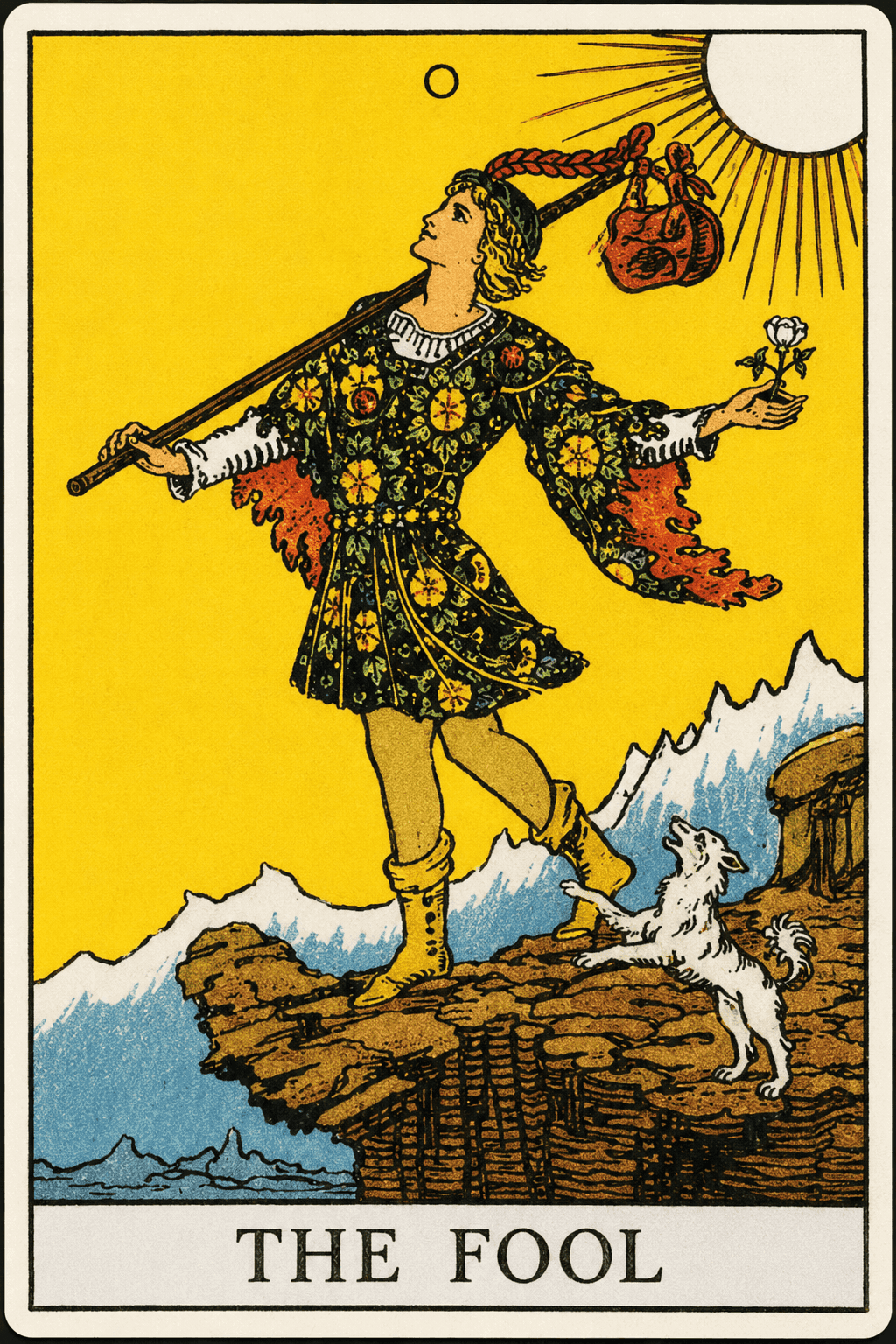
The Fool
new beginnings · spontaneity · trust
Major Arcana
The Magician
manifestation · resourcefulness · focus
Related guides
Guide
Building a Daily Card Ritual That Actually Sticks
Most daily-card habits die in the first two weeks because they're modeled on horoscopes instead of habits. A few adjustments make it something you actually keep doing.
Guide
The Difference Between a Fortune Teller and a Reflective Practice
Same deck, same seventy-eight cards, completely different relationship to certainty. Where So Tarot draws that line, and why it matters for how the readings are actually written.
Guide
The Three-Card Tarot Spread: How to Read Past, Present, and Future
The three-card spread is the one worth mastering first. Here's how to read past-present-future as a single story: plus a few variations that are often more useful than the classic.