
Card Combination
Eight of Pentacles and Three of Pentacles
Eight of Pentacles and Three of Pentacles together trace skill built alone becoming a contribution. The Eight of Pentacles is solitary practice and repetition; the Three of Pentacles is the collaboration where that skill gets used and recognised. Together they describe craft finding its place among other people.
How these two cards change each other
This is the part neither card’s own page can tell you — what each one does to the other when they land together.
The Three of Pentacles gives the Eight somewhere to go. Practice alone can continue indefinitely without ever meeting a use, which is a real and common trap for capable people. The Three is the point where it becomes work rather than preparation.
The Eight of Pentacles vouches for the Three. Collaboration without underlying competence is a meeting. The Eight establishes that there is something to contribute, which is what makes the recognition in the Three meaningful.
Together they describe a sequence rather than a state. Skill first, then application, and the pairing is unusually clear that the order matters: recognition sought before the practice is done tends not to hold.
Eight of Pentacles and Three of Pentacles in context
In career
One of the strongest work pairings available. Frequently describes the transition from learning to being employed for what you learned, or from working alone to working with people who value it. The practical content is usually that the practice phase is complete and continuing it privately is now the delay.
In creative work
Years of unwitnessed practice meeting a collaboration, a commission or an audience. The Three of Pentacles is specifically about being seen doing something well, which is different from the work itself and often harder to arrange.
In learning
Where the question is about study or a course, this pairing favours applying the thing rather than accumulating more of it. The Eight is genuine and the Three is the argument against extending it indefinitely.
When one or both are reversed
Eight of Pentacles reversed, Three of Pentacles upright
Collaboration without the underlying practice. Being in the room without having done the work, which is uncomfortable and usually temporary in one direction or the other.
Three of Pentacles reversed, Eight of Pentacles upright
Skill with nowhere to use it. Competence built in isolation and no collaboration to apply it in, which is a common and genuinely frustrating position rather than a failing.
Both reversed
Neither practice nor application. Usually a fallow interval in working life, and one that tends to resolve by starting something small rather than by waiting for an opportunity.
The common misreading
Often said: The Eight of Pentacles means keep working harder.
More accurately: The Eight describes practice, and the Three of Pentacles beside it indicates the practice has reached the point of being usable. Reading the pairing as a call for more effort keeps someone in the preparation phase, which is precisely the trap this combination is describing the exit from.
If you drew this, ask yourself
Is more practice actually needed here, or have I been using it to avoid being seen?
Eight of Pentacles and Three of Pentacles: frequently asked questions
What do Eight of Pentacles and Three of Pentacles mean together?
Solitary skill becoming recognised work. The Eight of Pentacles supplies practice and repetition while the Three of Pentacles supplies collaboration and recognition, so together they describe craft finding an application.
Is this a good combination for a job question?
Among the strongest. It frequently describes the move from learning something to being employed or valued for it, and it generally favours applying rather than continuing to prepare.
Does it mean I need more training?
Usually the opposite. The Three of Pentacles indicates the practice has reached a usable point, and reading the Eight as a call for more effort keeps you in preparation.
What if I have the skill but no opportunity?
That is the Three of Pentacles reversed with the Eight upright: competence built in isolation with nowhere to apply it. It is a real position rather than a failing, and it usually shifts by starting something small.
Related pairings
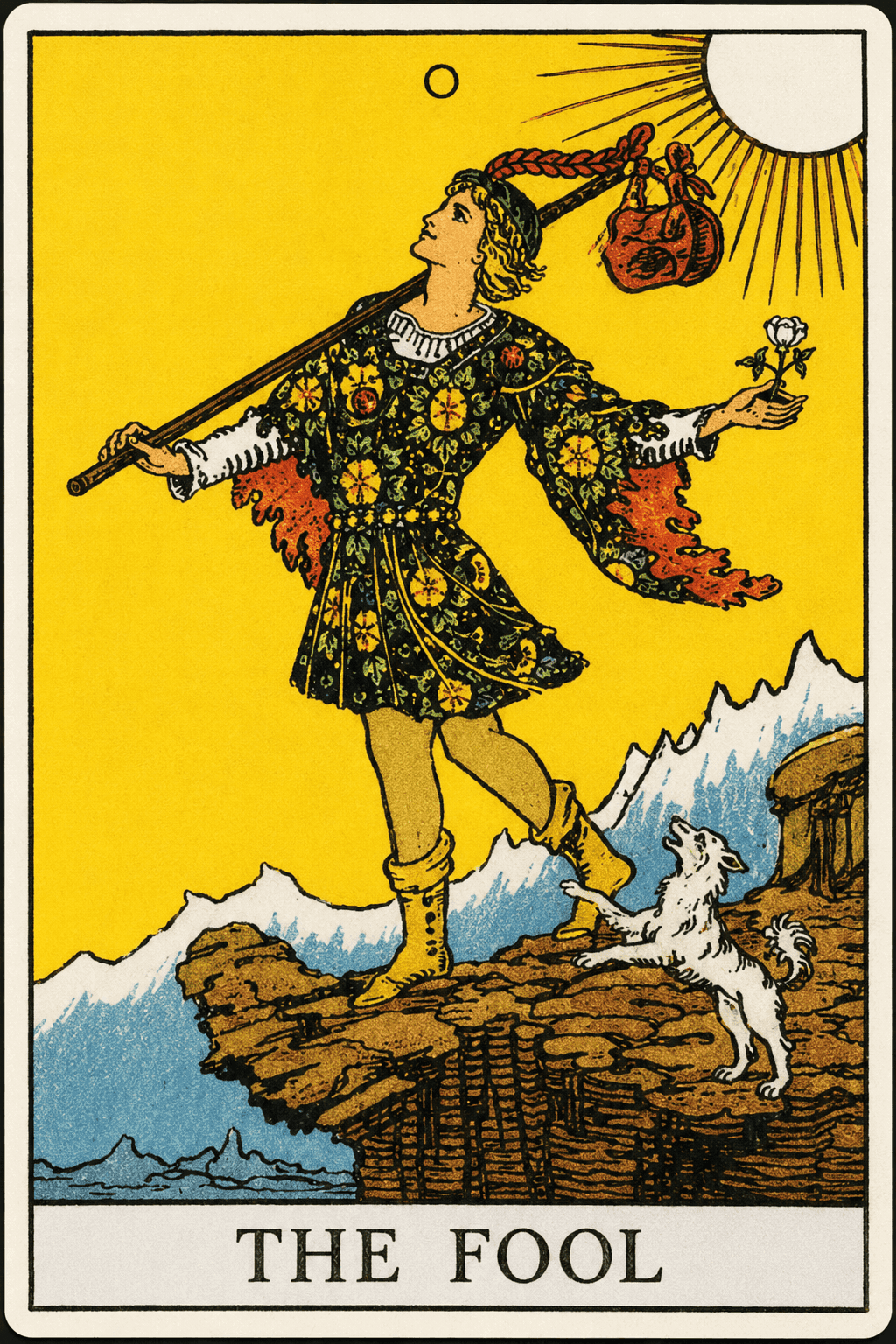
All combinationsAce of Pentacles + The Fool
A concrete opportunity and the nerve to take it. The Ace of Pentacles is a real, material offer; The Fool is the step without guarantees. Together they describe a beginning that is solid on paper and still requires you to jump.
Knight of Pentacles + The Hermit
Slow, deliberate progress made largely alone. The Knight of Pentacles is methodical persistence without flair; The Hermit is the withdrawal that makes that pace possible. Together they describe unglamorous work that actually gets finished.
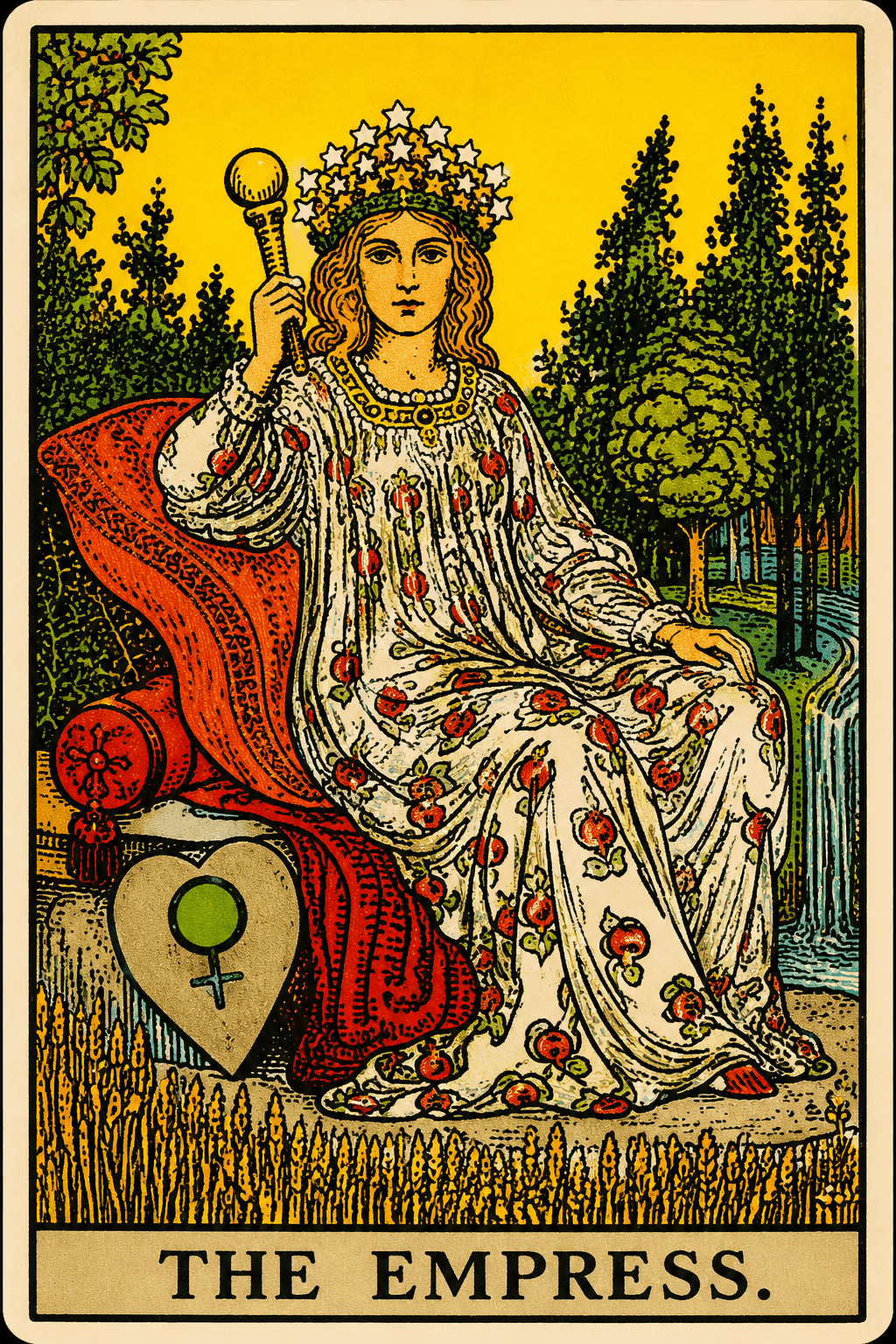
Ten of Pentacles + The Empress
Abundance that lasts beyond you. The Empress is generative plenty; the Ten of Pentacles is wealth with structure, family and inheritance around it. Together they describe security built to be handed on rather than merely enjoyed.
Draw your own
Combinations are most useful when they are your cards, in answer to your question.