
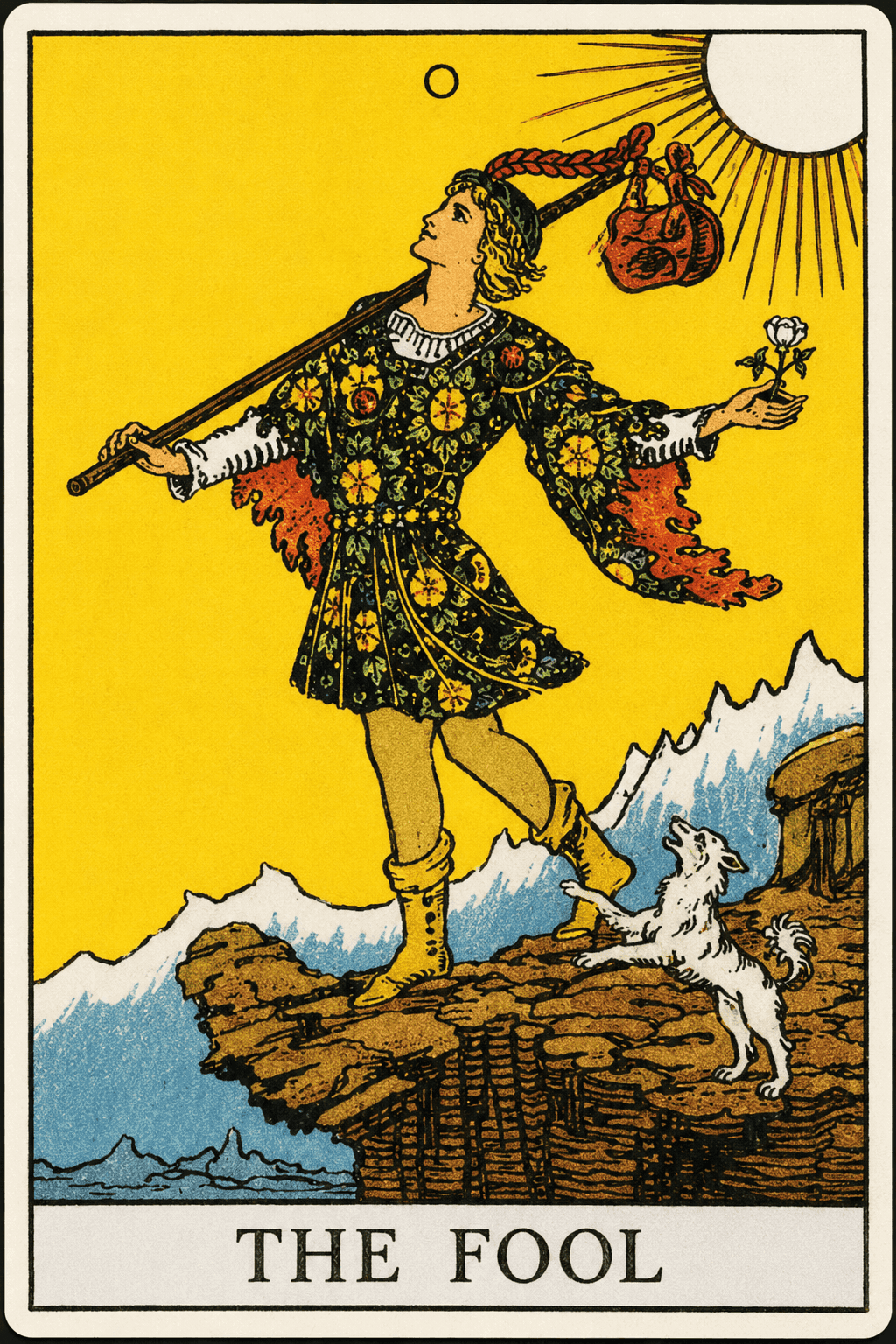
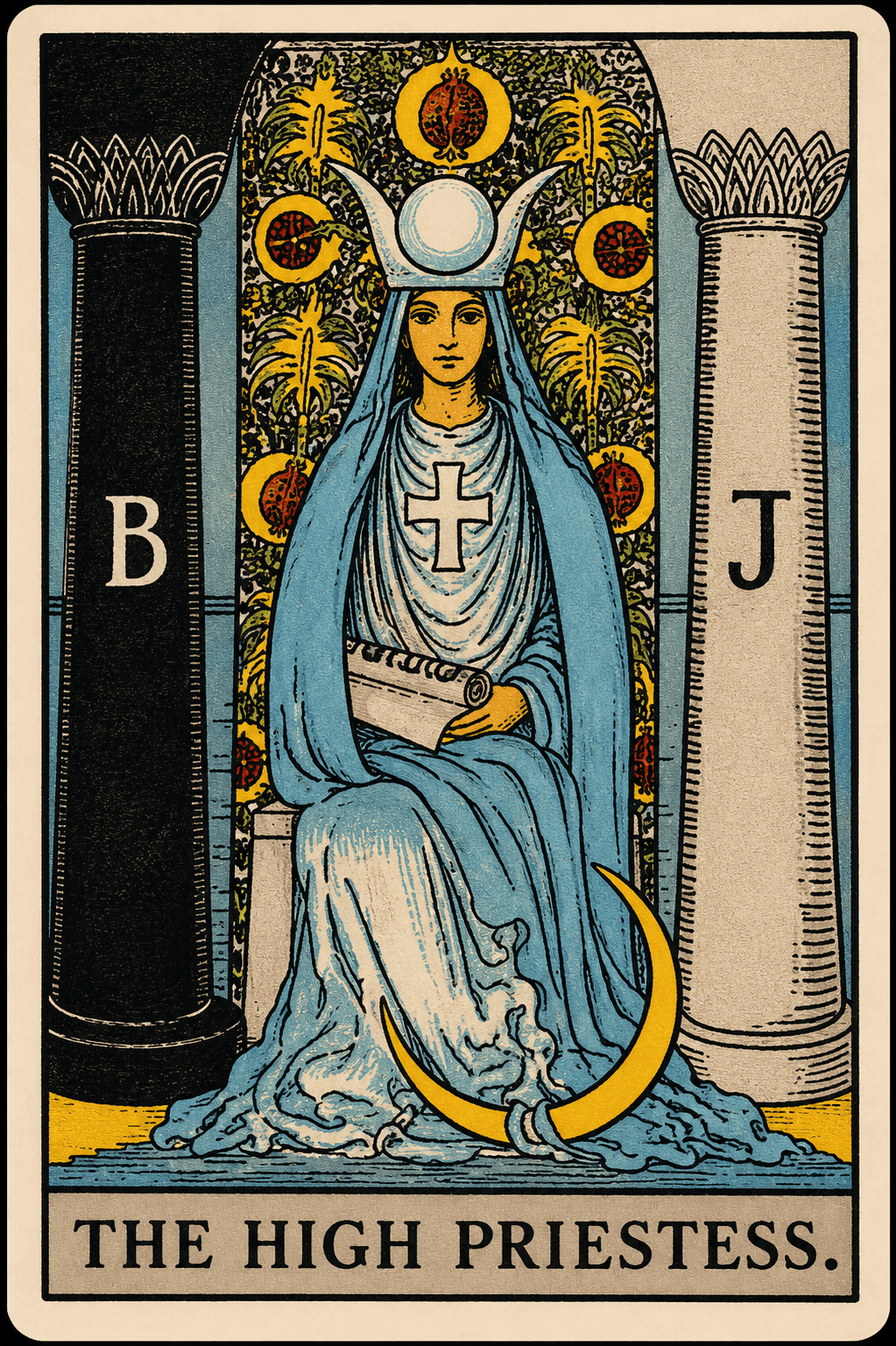
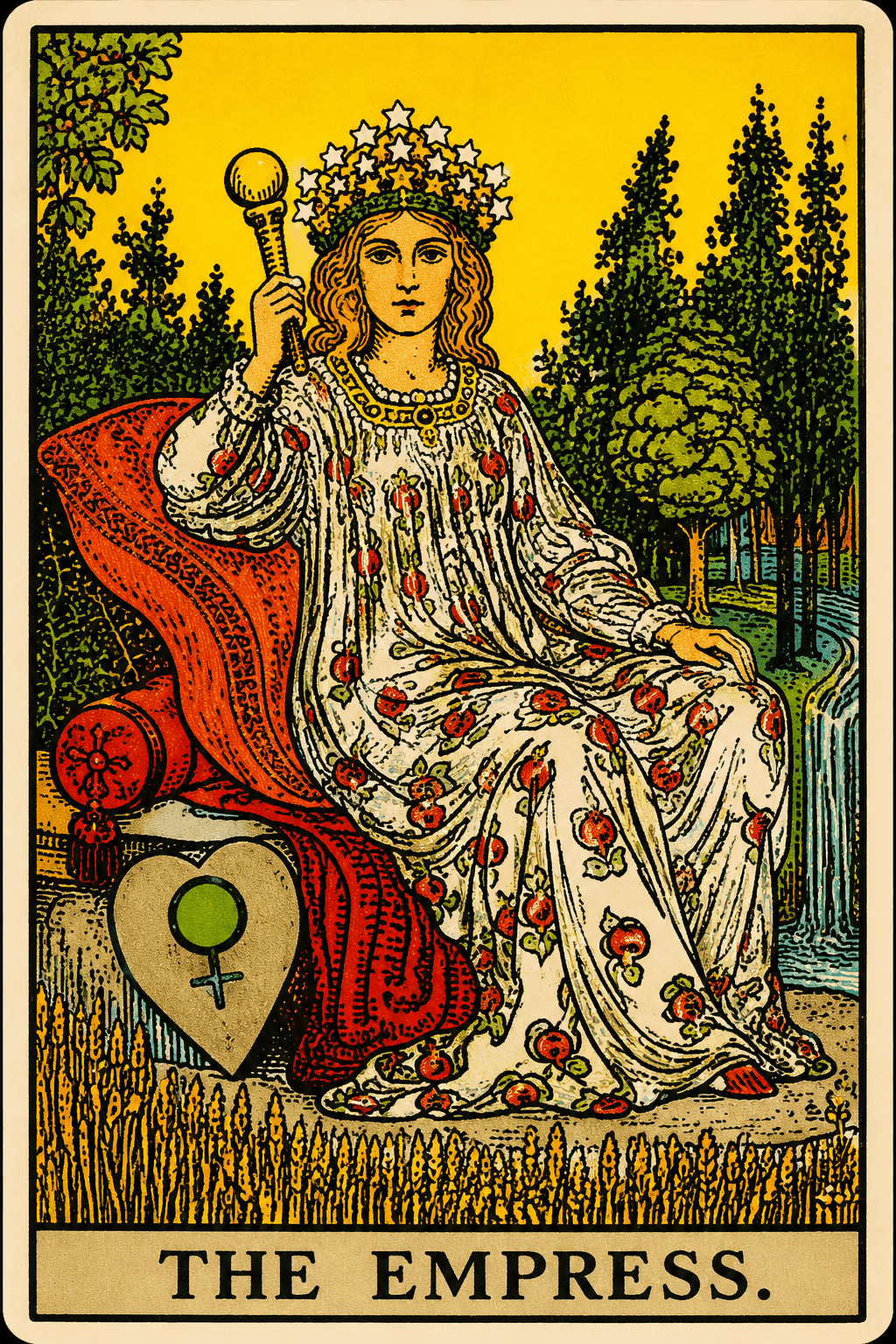
Card Combination
Knight of Pentacles and The Hermit
Knight of Pentacles and The Hermit together describe slow, deliberate progress made largely alone. The Knight of Pentacles is methodical persistence without flair; The Hermit is the withdrawal that makes that pace possible. Together they describe unglamorous work that actually gets finished.
How these two cards change each other
This is the part neither card’s own page can tell you — what each one does to the other when they land together.
The Hermit protects the Knight of Pentacles' pace. Methodical work is vulnerable to interruption and to comparison. Distance from both is what allows it to continue at the speed it requires.
The Knight of Pentacles gives The Hermit something to show for the solitude. Withdrawal frequently produces nothing visible. Here the isolation has an output, which distinguishes it from the pairings where the retreat is the whole content.
Together they describe the least admired way of achieving anything. Neither card is impressive. The pairing's claim is that this combination finishes things, which faster and more visible approaches often do not.
Knight of Pentacles and The Hermit in context
In long projects
Steady work over a period long enough that nobody is watching any more. The pairing is favourable and specifically counsels against speeding up: the Knight of Pentacles' reliability comes from the pace, and increasing it removes the quality that makes it work.
In study and skill
Learning something properly rather than quickly. Both cards favour depth over pace, and together they describe the kind of competence that is difficult to acquire and difficult to lose.
In recovery and rebuilding
Putting something back together slowly and privately: finances, health, a routine. The lack of drama is the point rather than a shortcoming.
When one or both are reversed
Knight of Pentacles reversed, The Hermit upright
Solitude without the work. The withdrawal remains and the steady progress has stopped, which is the point where a productive retreat becomes stalling.
The Hermit reversed, Knight of Pentacles upright
Methodical work amid interruption. The pace is being maintained under conditions that make it harder, usually at a cost in either progress or exhaustion.
Both reversed
Neither persistence nor solitude. Often describes a stalled effort in an environment that will not permit the conditions it needs.
The common misreading
Often said: The Knight of Pentacles means you are being too slow.
More accurately: The card describes a pace chosen for reliability rather than a failure to move faster, and The Hermit indicates conditions deliberately arranged to sustain it. Reading slowness as a fault produces the instinct to accelerate, which removes the exact property that makes this combination finish things.
If you drew this, ask yourself
Is this pace actually a problem, or does it just look like one from outside?
Knight of Pentacles and The Hermit: frequently asked questions
What do Knight of Pentacles and The Hermit mean together?
Steady work done alone. The Knight of Pentacles supplies methodical persistence and The Hermit supplies the withdrawal that makes the pace sustainable, so together they describe unglamorous effort that finishes.
Is this pairing telling me to speed up?
The opposite. The Knight of Pentacles derives its reliability from the pace, and accelerating tends to remove the quality that makes this combination work.
Is it bad that nothing visible is happening?
Not here. Both cards describe progress that is real and unwitnessed, and the absence of drama is characteristic rather than a warning.
How do I know if I have stalled?
Check the Knight. Reversed alongside an upright Hermit is the configuration where the solitude remains and the work has stopped, which is the point retreat turns into stalling.
Related pairings
All combinationsSeven of Pentacles + The Hermit
Waiting for something you planted. The Seven of Pentacles is the pause where growth is happening and not yet visible; The Hermit is the patience and the distance to let it. Together they argue against digging it up to check.
Eight of Pentacles + Three of Pentacles
Skill built alone, then used with other people. The Eight of Pentacles is solitary practice and repetition; the Three of Pentacles is the collaboration where that skill finally gets recognised. Together they trace craft becoming a contribution.
The Star + The Hermit
Recovery that happens quietly and alone. The Hermit is deliberate withdrawal; The Star is faith returning after something difficult. Together they describe healing that does not need an audience, and solitude that is restorative rather than avoidant.
Draw your own
Combinations are most useful when they are your cards, in answer to your question.