
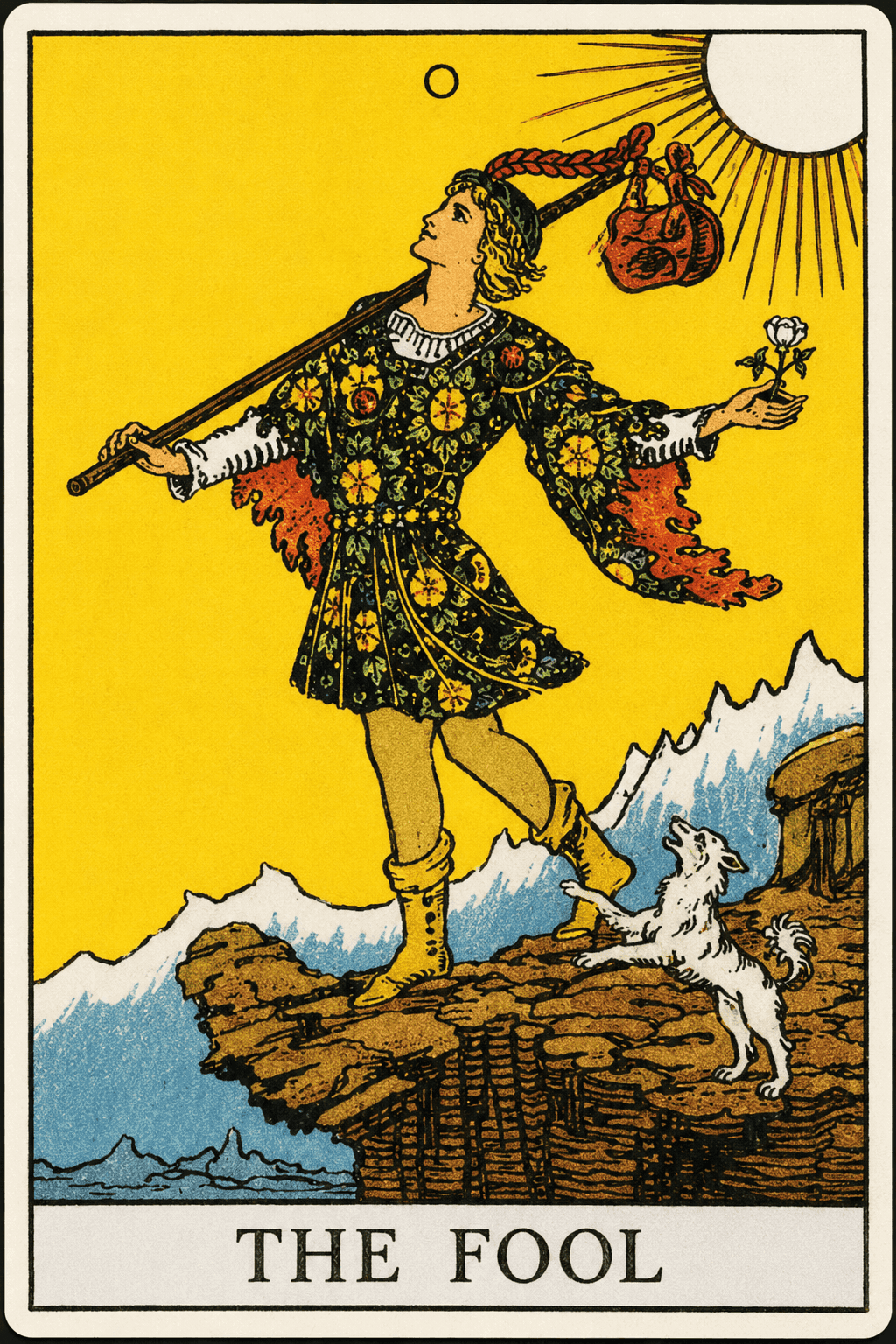
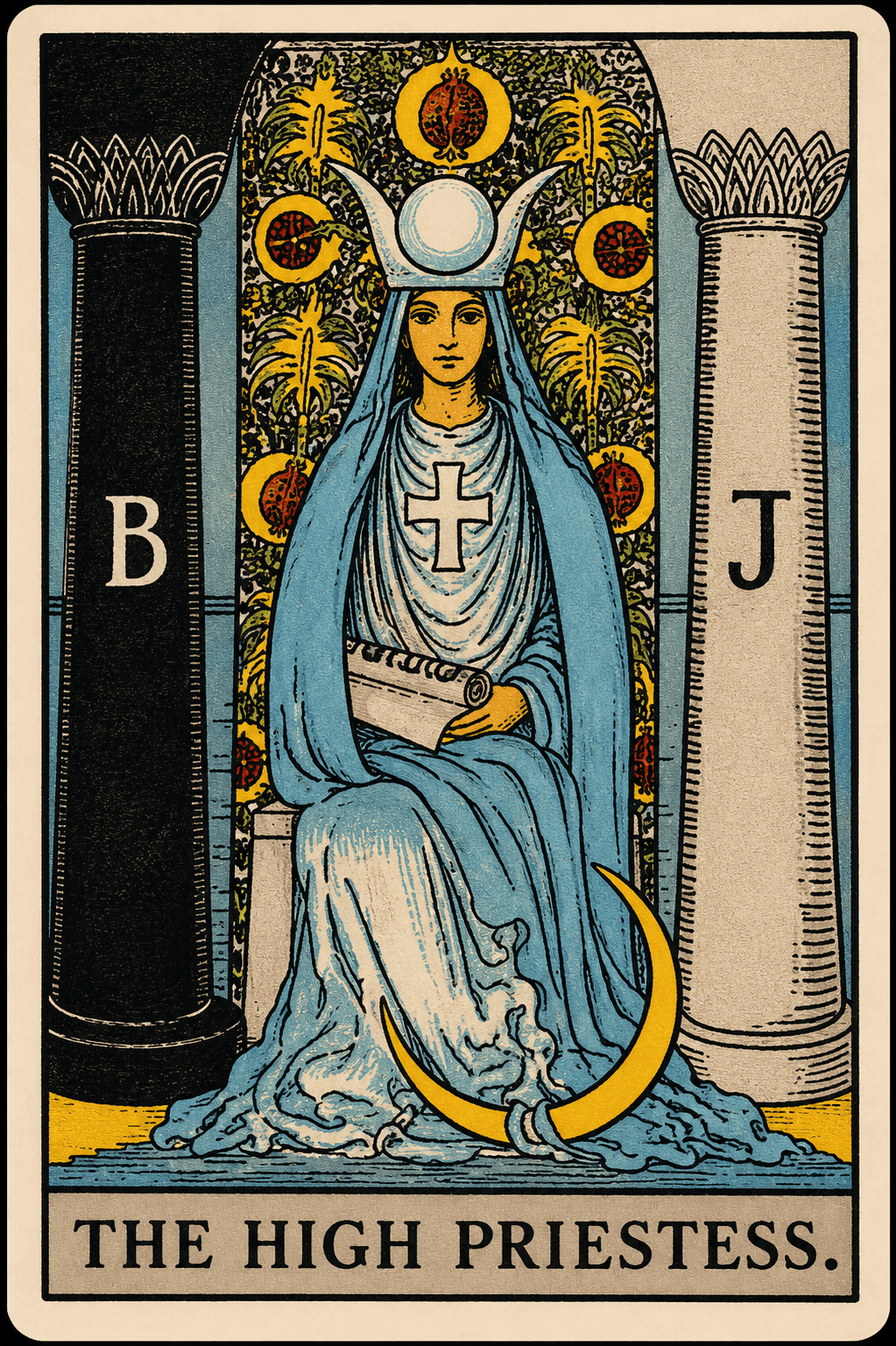
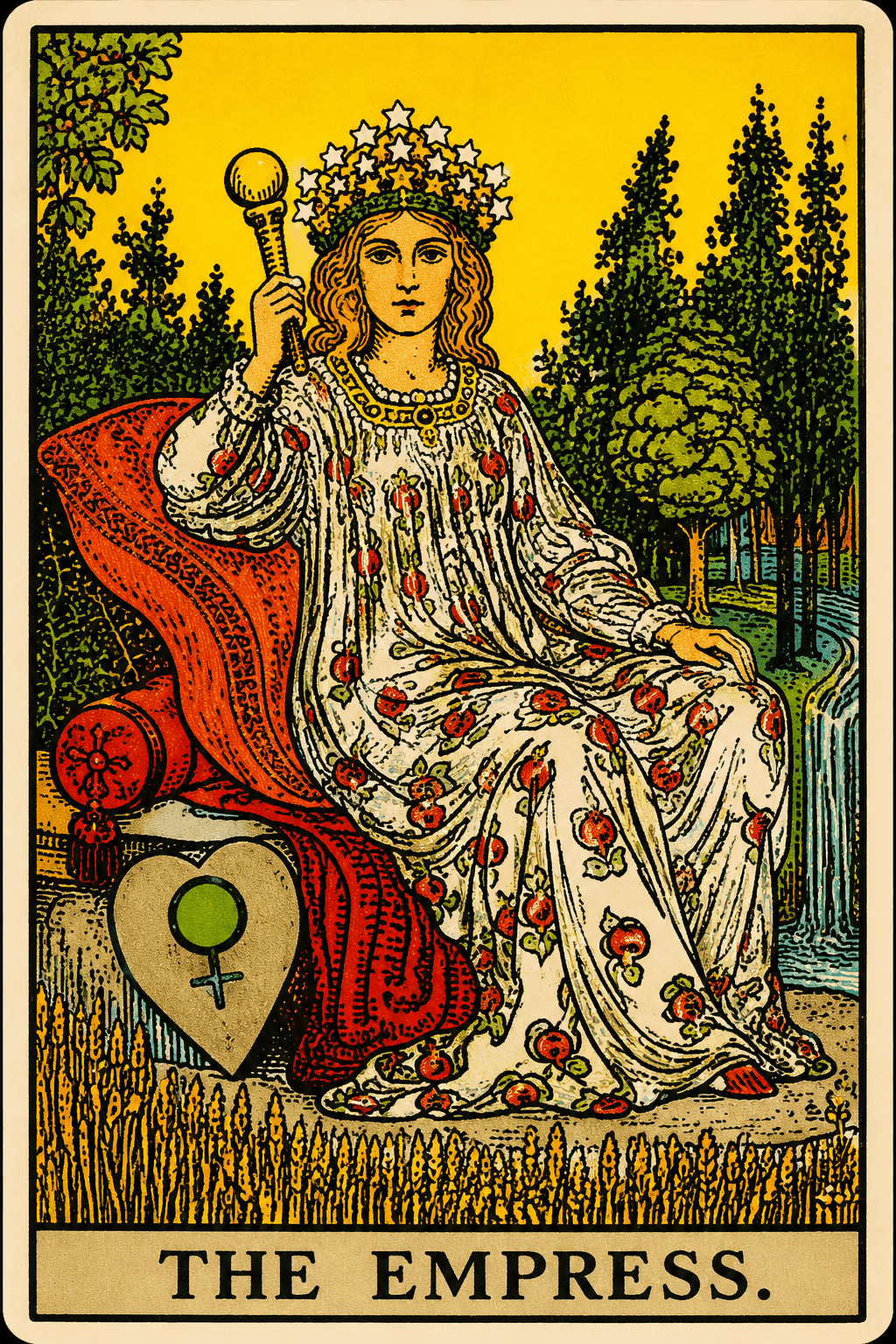
What tarot is for in the weeks after
A breakup produces two kinds of thinking. The first is about the other person: what they meant, what they are doing now, whether they regret it. The second is about you: what happened, what you are carrying, what you do next. Tarot is very good at the second kind and completely useless at the first, and the trouble with reading after a breakup is that the first kind is louder.
So the ground rule is simple. The cards can be a mirror for where you are. They cannot be a window into where they are. Every reading that goes badly in this period goes badly because it tried to be the window.
The question to stop asking
Will they come back. You will want to ask it, you will probably ask it anyway, and it will not help, for a reason that has nothing to do with whether tarot works. Any answer keeps you facing the door. A yes keeps you waiting; a no keeps you grieving the yes you wanted; an ambiguous card, which is most cards, keeps you shuffling for a clearer one. The question has no answer that lets you turn around.
If you catch yourself asking it, do not put the cards away. Change the question to one about you and draw again. What am I waiting for, and what would I do if I stopped. That question has answers, and some of them are in the deck.
A three-card spread for right now
Card one: what I am actually grieving. Often it is not the person. It is a plan, a version of yourself, a future that had furniture in it. Naming which one changes what recovery looks like.
Card two: what I am carrying that is mine. Not blame. Pattern. The thing you would bring into the next relationship if nobody stopped you. This is the card people skip and the one that pays off.
Card three: what to do this week. Small and concrete. If the card is large and abstract, ask what the smallest version of it would be. The Star is not a plan; sleeping properly and calling one friend is.
Draw it once. Write down the three cards and a line each. Do not draw it again tomorrow to see if the answer improved. Draw it again in two weeks, and compare.
The cards that frighten people here
The Three of Swords is the card of heartbreak, and drawing it after a breakup can feel like the deck rubbing it in. Read it as recognition instead: the pain is real and the card is naming it, which is the first thing anyone grieving needs. It is not a forecast of more.
The Five of Cups shows a figure staring at three spilled cups while two stand full behind him. That is the whole card. It is not saying you lost; it is asking where you are looking.
Death and the Tower turn up often in these readings and are almost always about what has already happened, not what is coming. The ending is done. The card is confirming that it was a real ending and not a pause, which, painful as it is, is the information that lets you stop waiting.
The Six of Cups, nostalgia, and the Two of Cups, partnership, are the ones to be careful with. They will feel like a message about reunion. They are more often a message about what you are still holding, and a suggestion to look at why.
How often to read
Less than you want to. Daily readings in the first weeks tend to become a way of checking on the relationship by proxy, and every draw reopens the question you were meant to be closing. Once a week is plenty. The self-reflection spread, or the three cards above, and then the notebook.
If you notice that the reading has become the thing you do instead of calling someone, that is the reading telling you something too. Put the cards down and make the call.
When to read about love again
When the question is about the future and not the past. You will know because the question will have no name in it. What do I want next, what am I ready for, what would I do differently. Those are love questions, and the cards are good at them. Until the question can be asked without the other person in it, keep the readings about you.