
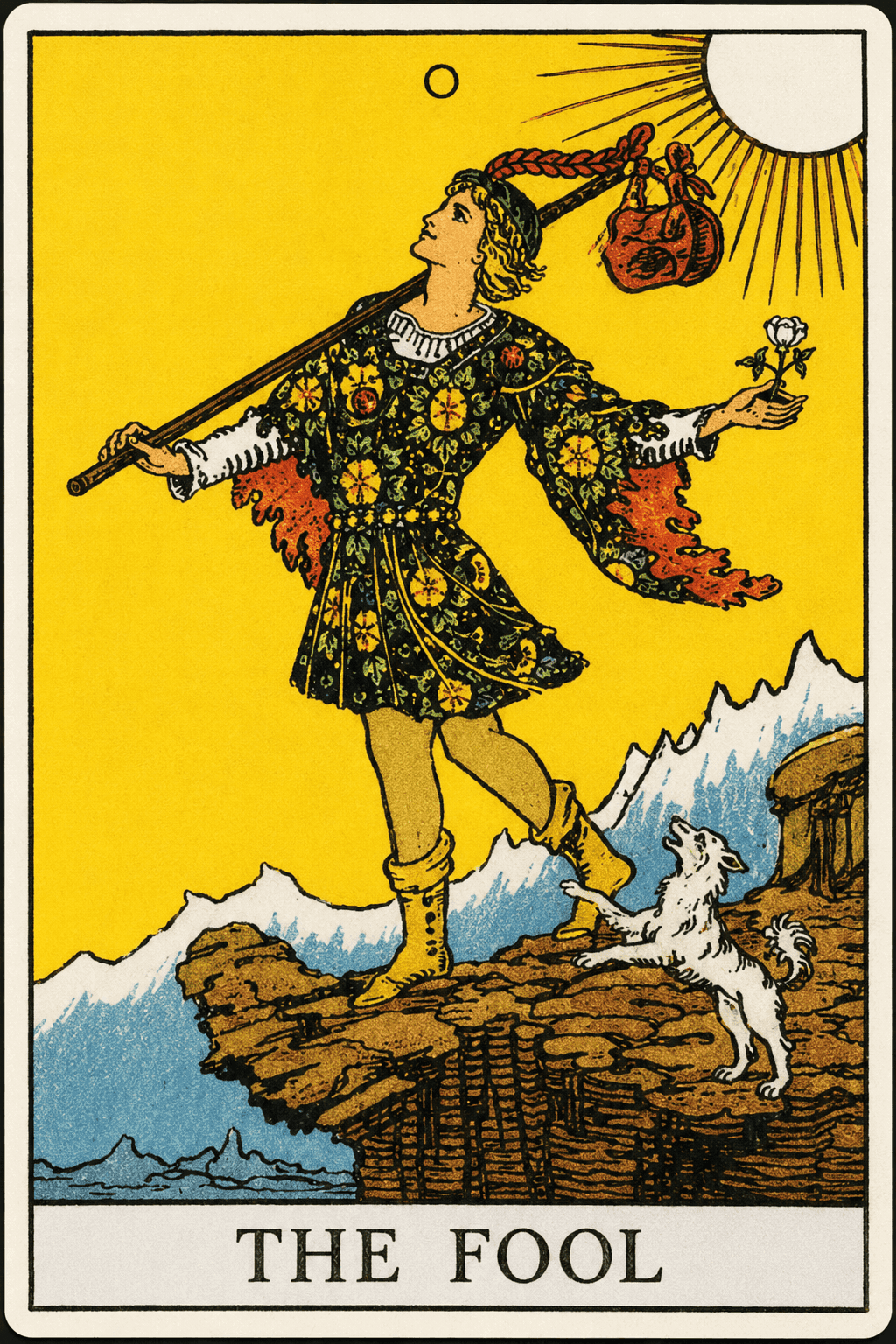
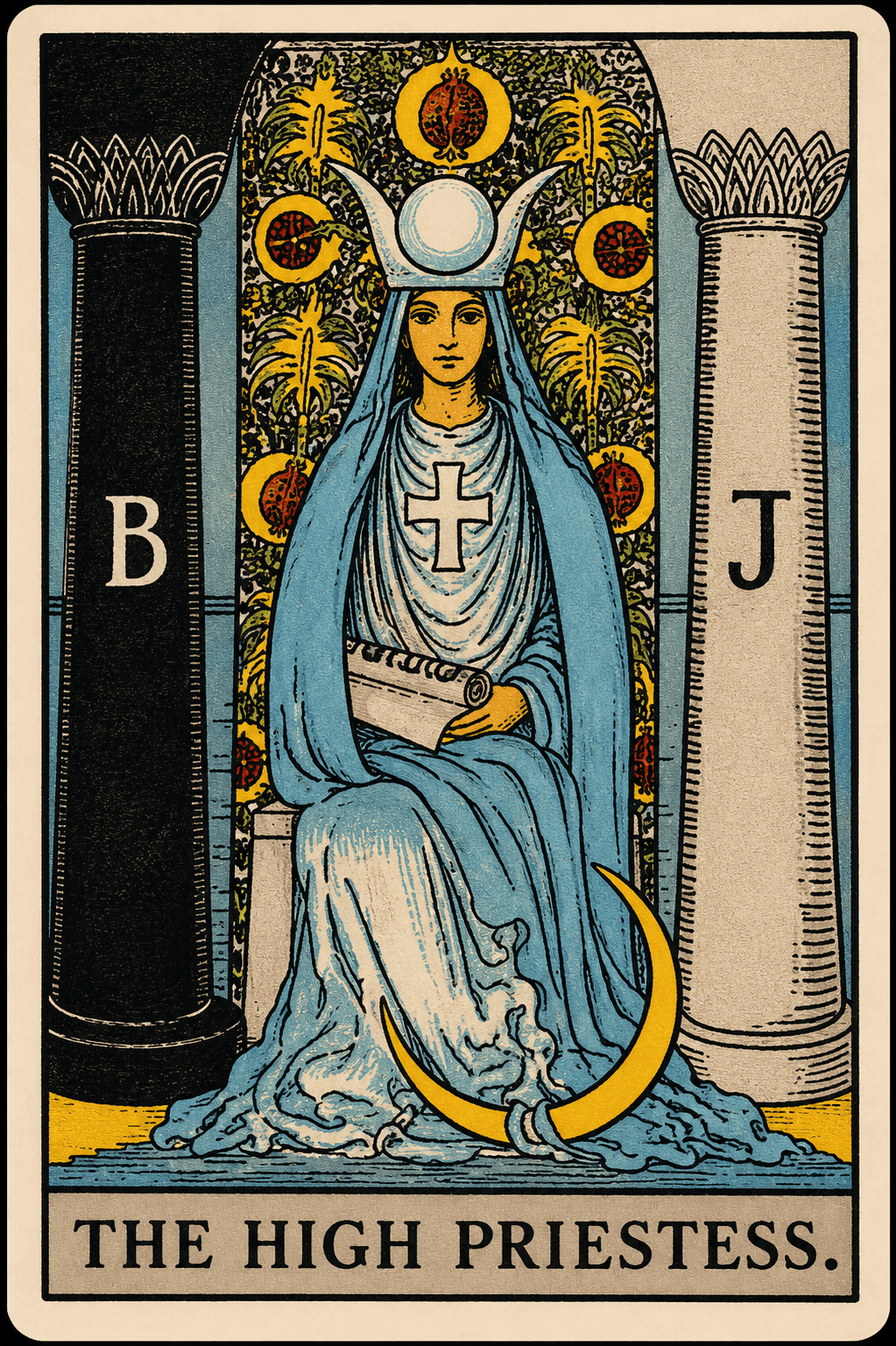
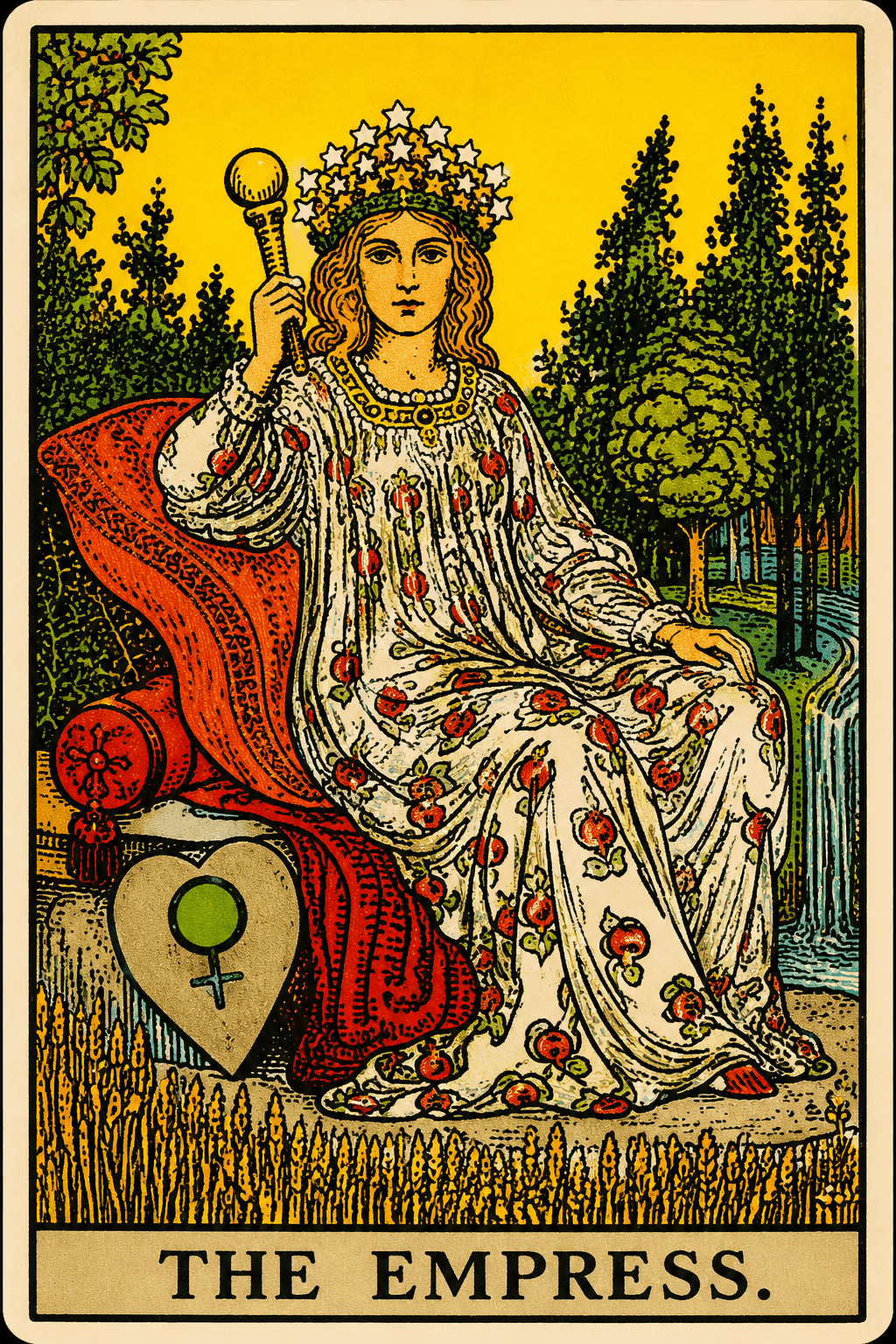
Memorising the cards before reading with them
The instinct is to learn all 78 meanings and then start. It does not work, because meanings learned in isolation do not survive contact with a real question. You end up reciting a keyword list at a situation it does not fit. Readers who start reading in week one, with a reference open beside them, learn faster than readers who spend three months on flashcards.
The fix is to read badly on purpose, early. Pull a card, describe the picture out loud, guess what it means, then look it up. The gap between your guess and the meaning is where the learning actually happens.
Asking the deck about outcomes
"Will I get the job", "will he come back", "when will this end". These produce unsatisfying readings no matter how well you know the cards, because the deck has no access to that information. The disappointment gets attributed to inexperience when the question was the problem.
The fix is mechanical: convert outcome questions into situation questions. "What am I not seeing about how I am approaching this?" produces something you can use.
The clarifier spiral
A card is uncomfortable, so you pull another to clarify it. That one is unclear too, so you pull a third. Five cards later you have assembled a reading out of cards selected for being easier to accept, and nothing was clarified.
One clarifier per reading, decided before you draw it, and kept whatever it says. That single rule preserves the technique and removes almost all of its risk.
Reading every card as if it were about someone else
Court cards especially get read as people (a partner, a colleague, a mother-in-law) which is right maybe a third of the time. In a question about your own choices, a court card more often describes how you are showing up.
When two interpretations are equally defensible, the one pointing at your own behaviour is usually more useful and is usually the one you were less keen to reach for.
Ignoring the position
Beginners read the cards and skip the spread. But a card in a position meaning "what is in the way" says something quite different from the same card in "what would help", and the position frequently resolves an ambiguity the card alone cannot.
Before interpreting anything, say the position out loud, then the card. In that order.
Treating reversals as bad news
A reversed card is not the upright meaning with a minus sign. It usually points at the same energy blocked, delayed, or turned inward, and some reversals, such as The Devil, are distinctly more hopeful than their upright form.
If reversals are causing more dread than information, read every card upright for a few months. That is a legitimate practice, not a shortcut.
Not writing anything down
A reading you do not record is gone by the next morning, and the patterns that make tarot genuinely useful only become visible across a record. Five lines per reading is enough: date, question, cards, what landed, what you will do.
This is also the only way to find out whether your readings are any good, which is worth knowing.
Only reading in a crisis
If the deck only comes out when something is wrong, every reading happens under distress, with an outcome you need and no recent practice. Readers in this pattern reliably report that tarot feels ominous, and the frequency is the reason.
A thirty-second daily card fixes it by keeping the deck ordinary.
Believing you need to be intuitive
Beginners routinely decide they are not naturally intuitive and therefore cannot read. What is usually called intuition in experienced readers is accumulated pattern recognition that has stopped announcing itself. It is built rather than issued.
Describe the image before interpreting it, note your first reaction before reasoning about it, and keep a journal. That is the whole method, and it works regardless of what you think your natural aptitude is.