Where the mapping comes from
Tarot and astrology grew up separately. The cards are a fifteenth-century Italian game; the zodiac is far older. They were formally joined in the late nineteenth century by the Hermetic Order of the Golden Dawn, whose members assigned every card in the deck an astrological correspondence as part of a larger system of symbols. Arthur Waite and Pamela Colman Smith were both members, and the Rider-Waite-Smith deck carries those correspondences in its imagery: the ram's heads on the Emperor's throne, the scales of Justice, the crayfish and dogs of the Moon.
That is why the mapping is unusually stable. Most tarot lore varies from author to author. This table is close to identical across almost every modern source, because it has one origin. It is still a convention rather than a law, and plenty of good readers never use it. But if you want the standard version, this is it.
The twelve signs and their Major Arcana
Aries is the Emperor: initiative, command, the will to build and lead. Taurus is the Hierophant: tradition, steadiness, values that hold. Gemini is the Lovers: choice, duality, connection through communication. Cancer is the Chariot: protective drive, the armoured shell moving forward.
Leo is Strength: courage, warmth, the lion tamed by patience. Virgo is the Hermit: discernment, analysis, the lantern held up to detail. Libra is Justice: balance, fairness, the weighed decision. Scorpio is Death: transformation, endings, what must be released.
Sagittarius is Temperance: blending, moderation, the long path toward a distant aim. Capricorn is the Devil: ambition, material mastery, and the chains that come with it. Aquarius is the Star: vision, hope, the water poured out for everyone. Pisces is the Moon: intuition, dream, the tide that pulls beneath the surface.
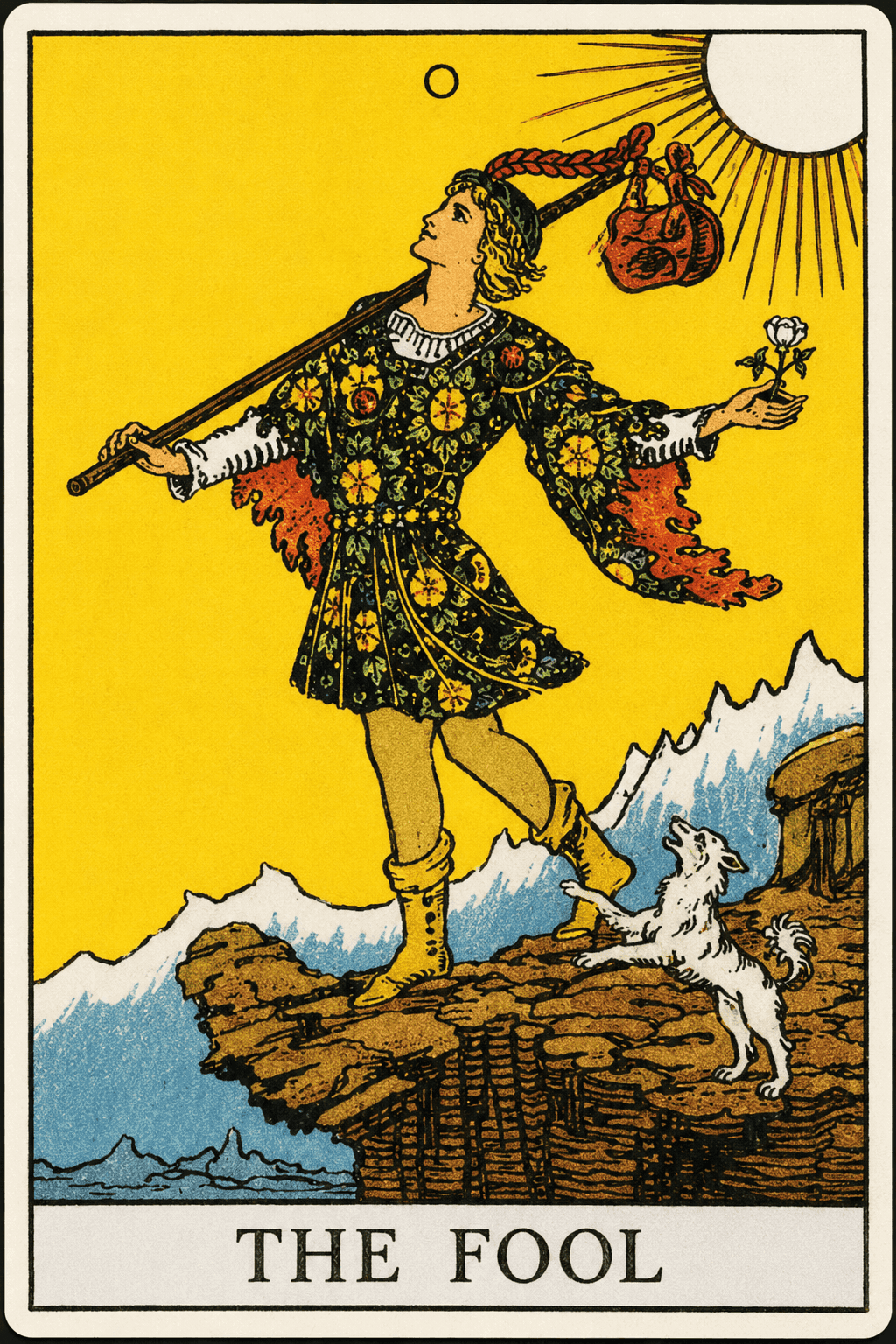
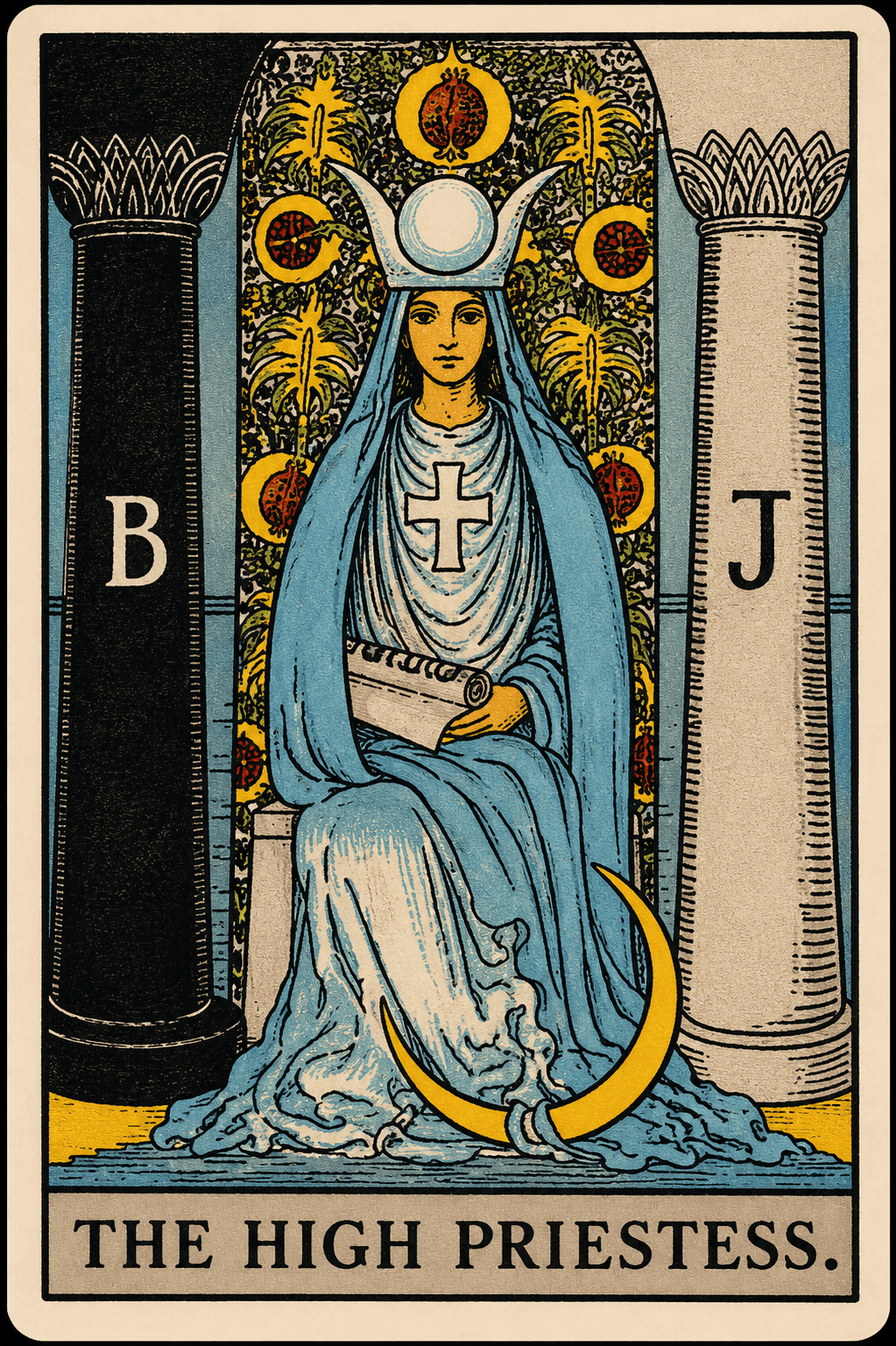
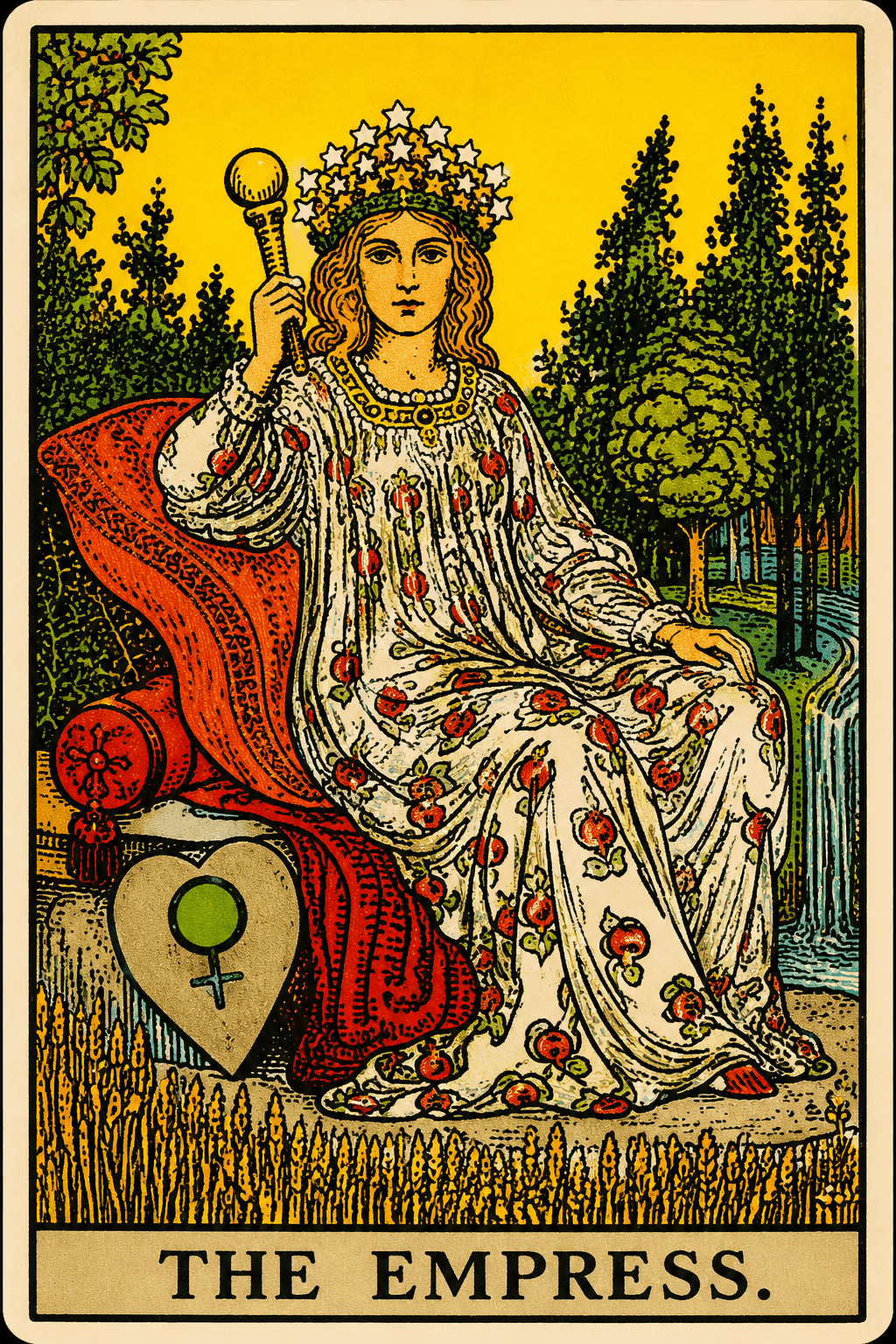
Ten Majors are left over. They belong to the planets and elements rather than the signs: the Fool to air, the Magician to Mercury, the High Priestess to the Moon, the Empress to Venus, the Wheel to Jupiter, the Hanged Man to water, the Tower to Mars, the Sun to the Sun, Judgement to fire, and the World to Saturn. Those are worth knowing but matter less in practice than the twelve above.
The minor cards for each sign
The Golden Dawn went further and assigned the numbered cards two through ten to the thirty-six decans, the ten-degree slices of the zodiac, three per sign. The pattern is regular once you see it: each sign gets three consecutive cards from the suit of its element.
Fire signs take Wands. Aries has the Two, Three, and Four; Leo the Five, Six, and Seven; Sagittarius the Eight, Nine, and Ten. Earth signs take Pentacles: Capricorn the Two through Four, Taurus the Five through Seven, Virgo the Eight through Ten. Air signs take Swords: Libra the Two through Four, Aquarius the Five through Seven, Gemini the Eight through Ten. Water signs take Cups: Cancer the Two through Four, Scorpio the Five through Seven, Pisces the Eight through Ten.
Aces and court cards sit outside the decan scheme. The Aces are the pure element; the courts were mapped to overlapping segments of the wheel in a way that varies more between sources, so we leave them out of the table.
What to actually do with this
The honest answer is: not much, unless you already read astrology. Correspondences are a second layer of symbolism, and a second layer helps only once the first one is solid. If you are still learning what the Hermit means on its own, adding Virgo to it is noise.
Where it does help is in two places. The first is recognising a person. If a reading is about someone whose sign you know, their card appearing is worth a pause: the Chariot in a reading about a Cancer friend is doing something specific. The second is timing, loosely. The decan cards give a rough calendar, and some readers use a minor card's decan as a hint about when in the year a matter sits. Treat that as a suggestion, not a date.
What it should not become is a horoscope. Your sign's card is not your fortune, and it is not a better birth card than the one your birth date gives you. It is a correspondence: two symbol systems pointing at similar qualities from different directions.
Sign card versus birth card
People often confuse the two, so it is worth separating them. Your sign card comes from the zodiac: born under Leo, your card is Strength, full stop. Your birth card comes from arithmetic on your full birth date, month plus day plus year reduced to a number from one to twenty-one, and it can be any Major regardless of sign.
Both are legitimate. They answer different questions. The sign card is about the temperament your sign describes; the birth card is a personal number that happens to be yours alone. When they disagree, which is most of the time, that disagreement is more interesting than either one on its own.