
Why a birthday and not New Year
The first of January is a shared date, and shared dates carry other people's expectations. A birthday is yours. It marks a real turn of your own year, and the pressure to resolve anything is lower, which makes for a better reading. You are not asking what to fix. You are asking what this next stretch of your life is about.
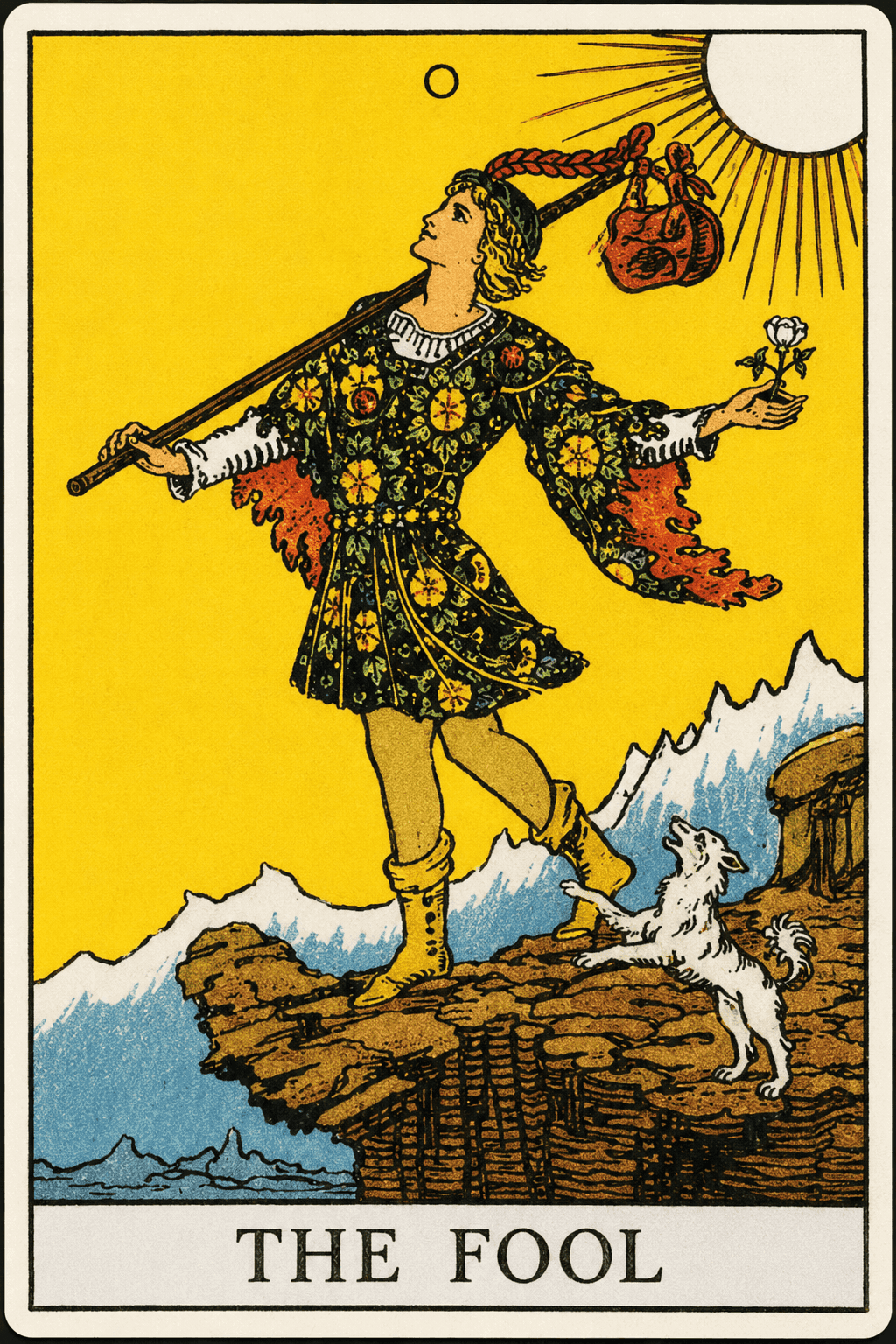
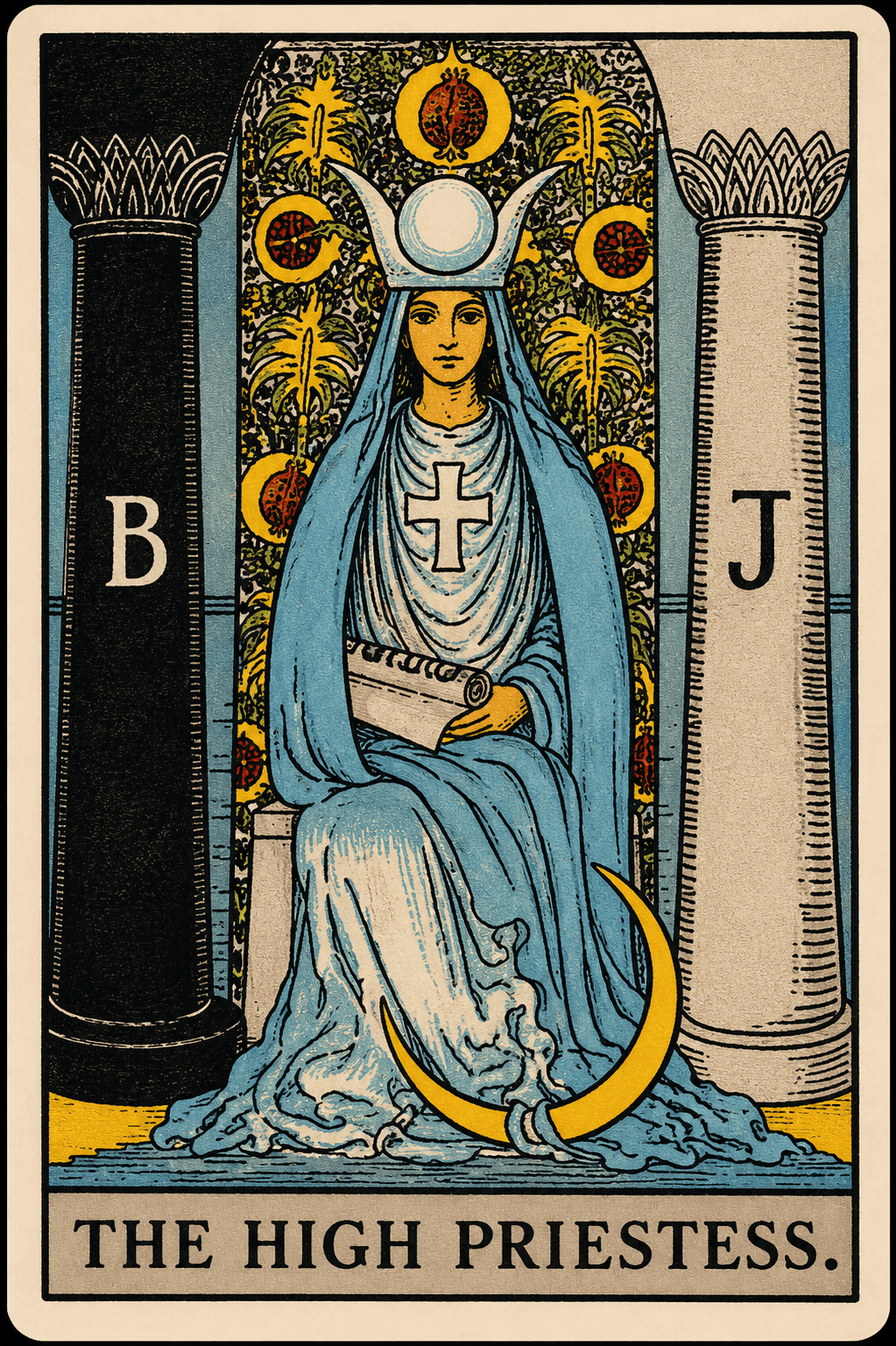
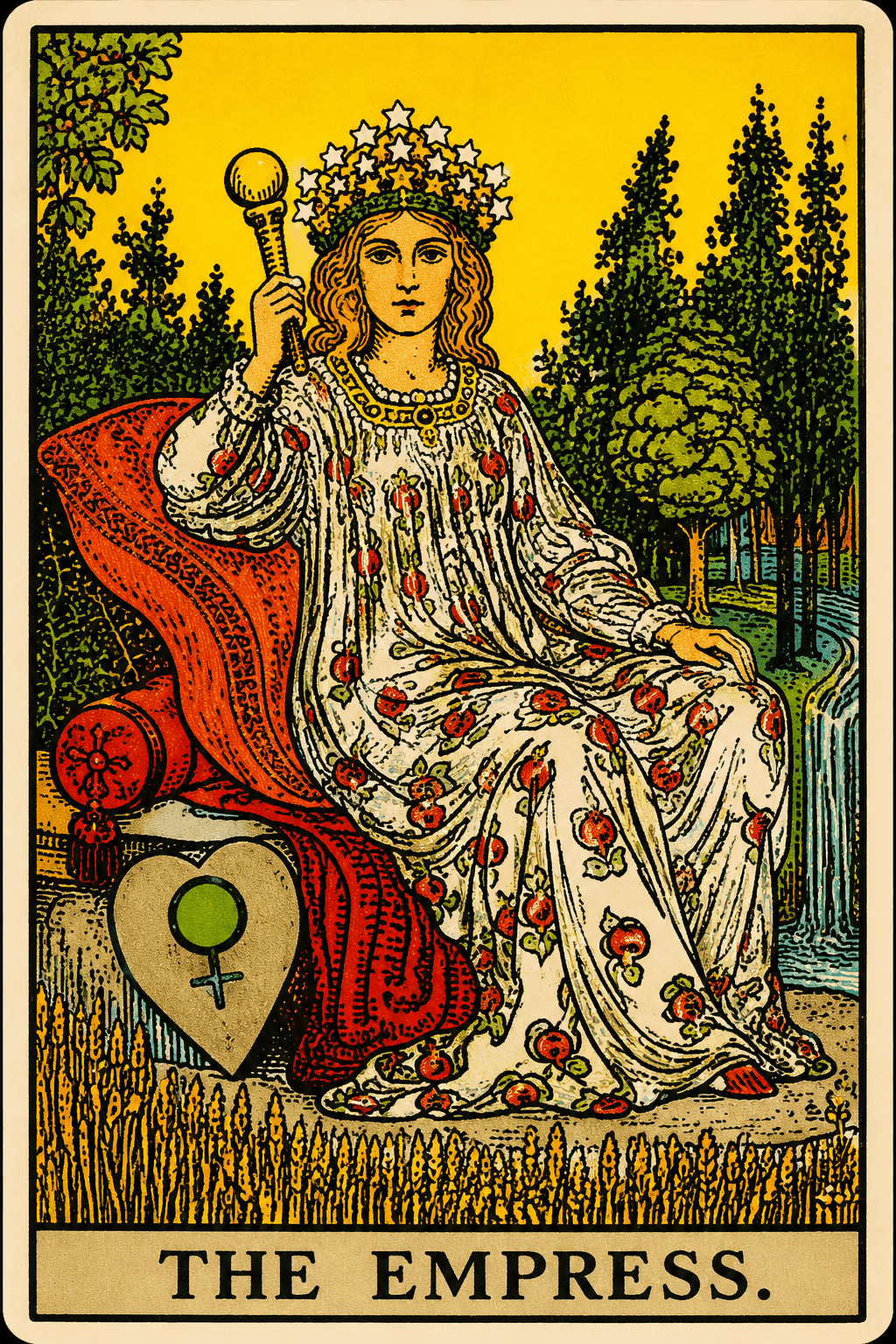
It also lines up with the year card, the Major Arcana card assigned to each year of your life by adding your birth month and day to the current year. If you know your year card, it becomes the frame this spread sits inside. If you do not, work it out before you lay the cards. It takes a minute and changes how you read the five.
The five positions
Lay the cards in a row, left to right, or in a small arc if you prefer. Each position is a single question. Resist the urge to add more; five is enough to hold a year and few enough to remember.
One: what to carry forward. Something from the year just ended that is worth keeping, whether you noticed it or not. This card often surprises people, because it names a strength they had stopped counting.
Two: what to leave behind. A habit, a story about yourself, a situation that has done its work. This is not a command. It is a candidate, and you get to decide.
Three: where to grow. The area of life the year is asking you to give attention to. Suits help here: Wands point at ambition and creative work, Cups at relationships and feeling, Swords at thinking and truth-telling, Pentacles at body, money, and craft.
Four: the challenge. What will be difficult, or what will test the growth in position three. Read it as terrain, not as a threat.
Five: the gift. What the year offers if you meet it. Not a reward for good behaviour; more like the view from the far side of position four.
How to read it as one thing
Read the five aloud in order, one sentence each, before interpreting anything. Then look at the shape. Do positions one and two argue with each other, as they often do? Is the challenge in four the same suit as the growth in three, which would mean the difficulty is inside the work rather than beside it? Is the gift in five a card you would have wanted, or one you have to think about?
Then bring in the year card. If it is the Hermit and your growth card is the Three of Cups, the year is asking you to find friendship in a quieter way than usual. If it is the Chariot and your leave-behind card is the Nine of Pentacles, the year may take you out of a comfort you have earned. The year card does not override the five. It tells you what kind of year they are describing.
The part that makes it worth doing
Write it down. Card names, one line each on what you took them to mean, and the date. Then put it somewhere you will find in twelve months.
A birthday spread read once is a pleasant half hour. The same spread reread a year later is the most honest evidence you will ever get about how tarot works for you. You will see which cards you read too hopefully, which challenge you underestimated, and which gift arrived in a form you would not have recognised on the day. That comparison is worth more than any single reading, and it only exists if you kept the first one.
Variations that keep the point
For a shorter version, use three cards: carry forward, leave behind, and the theme. It loses the challenge and gift but keeps the structure of a turn.
For a longer one, add a card for each quarter of the year after the five, laid beneath them. Twelve monthly cards is a common birthday layout and almost always too many: nobody remembers month eight, and the reading becomes a list. Four quarters is the most that stays readable.
Whatever the size, keep one question per card and keep the notes. The spread is a tool for making the year visible. The notes are what make it visible twice.