The one difference everything else follows from
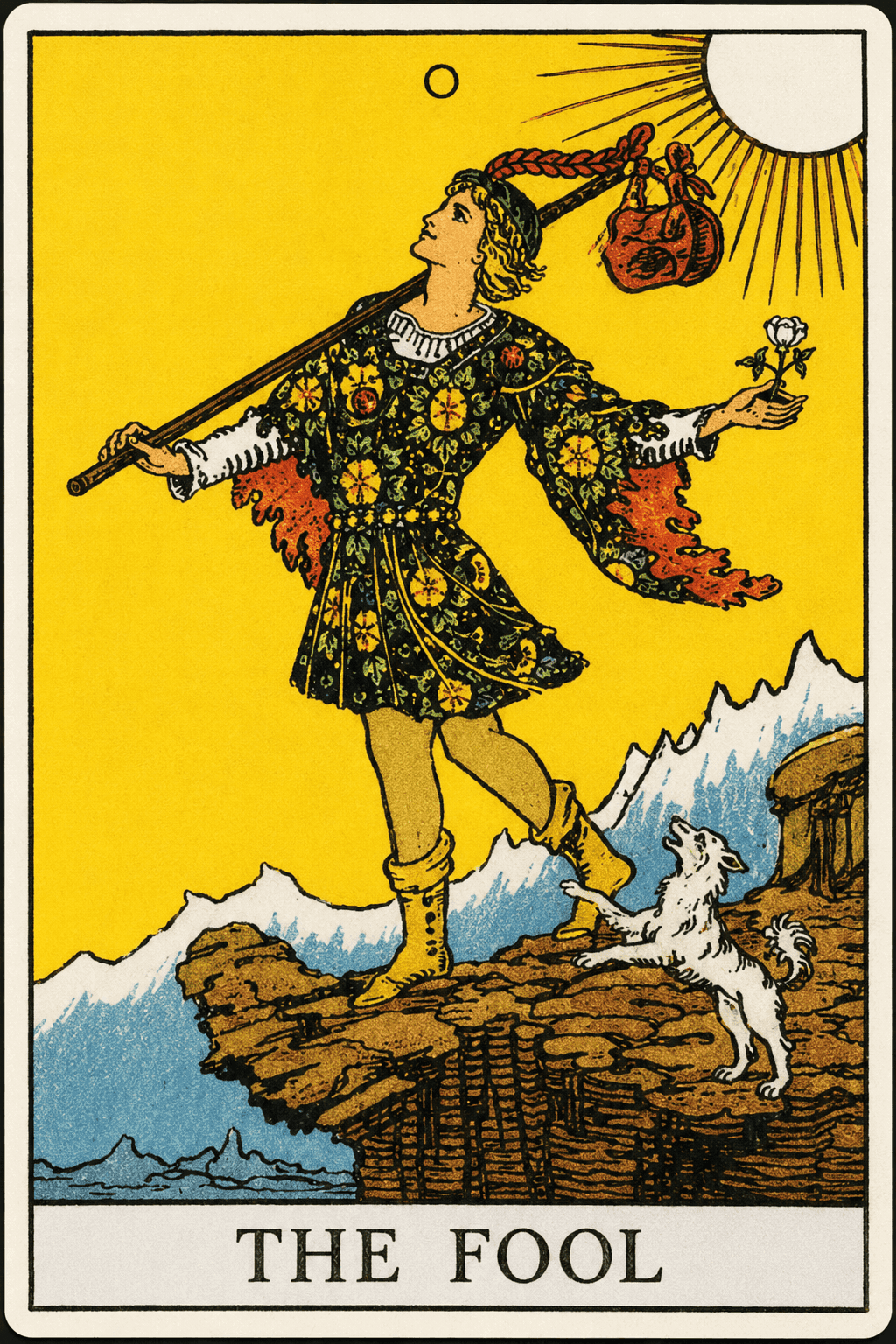
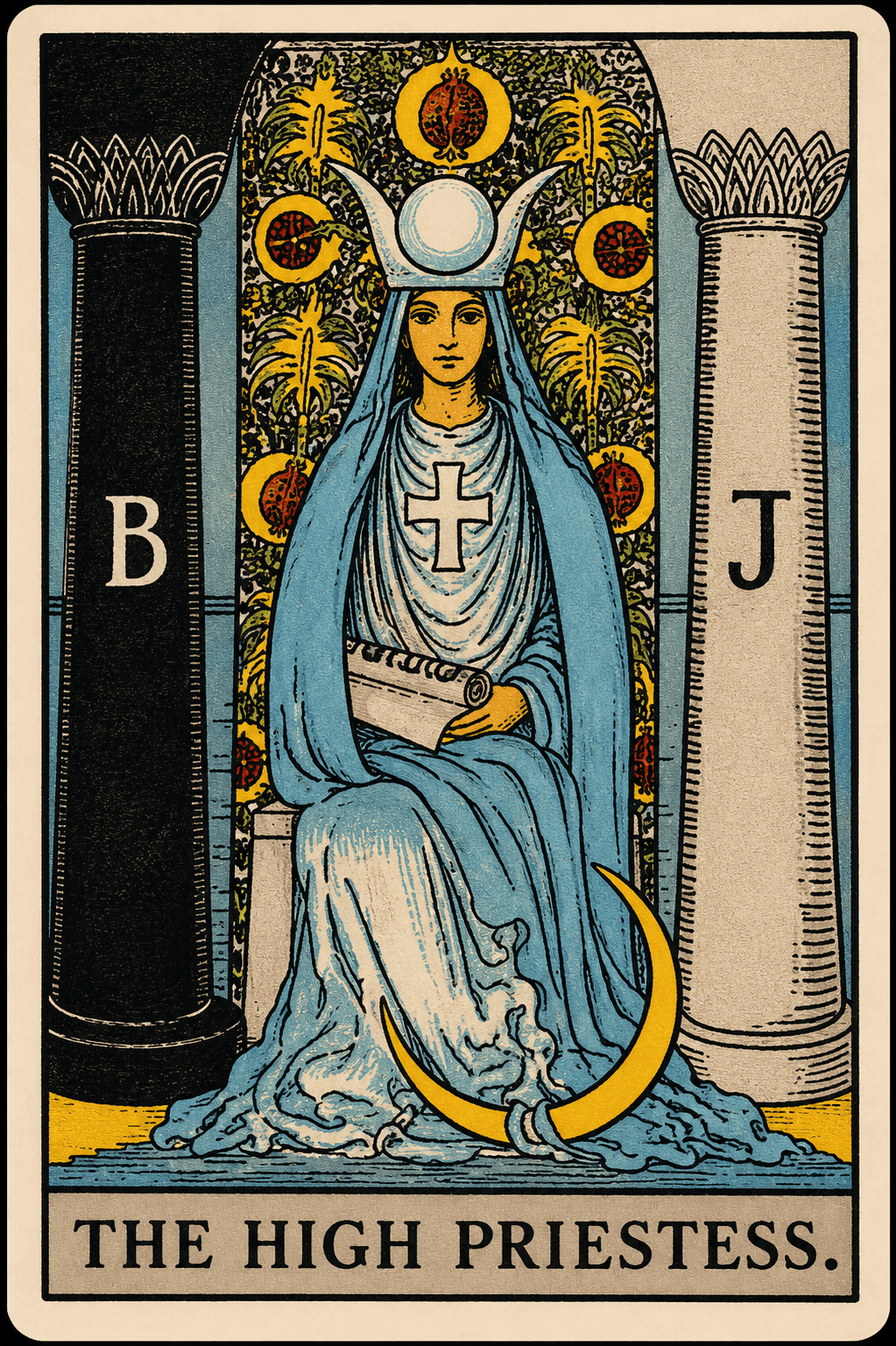
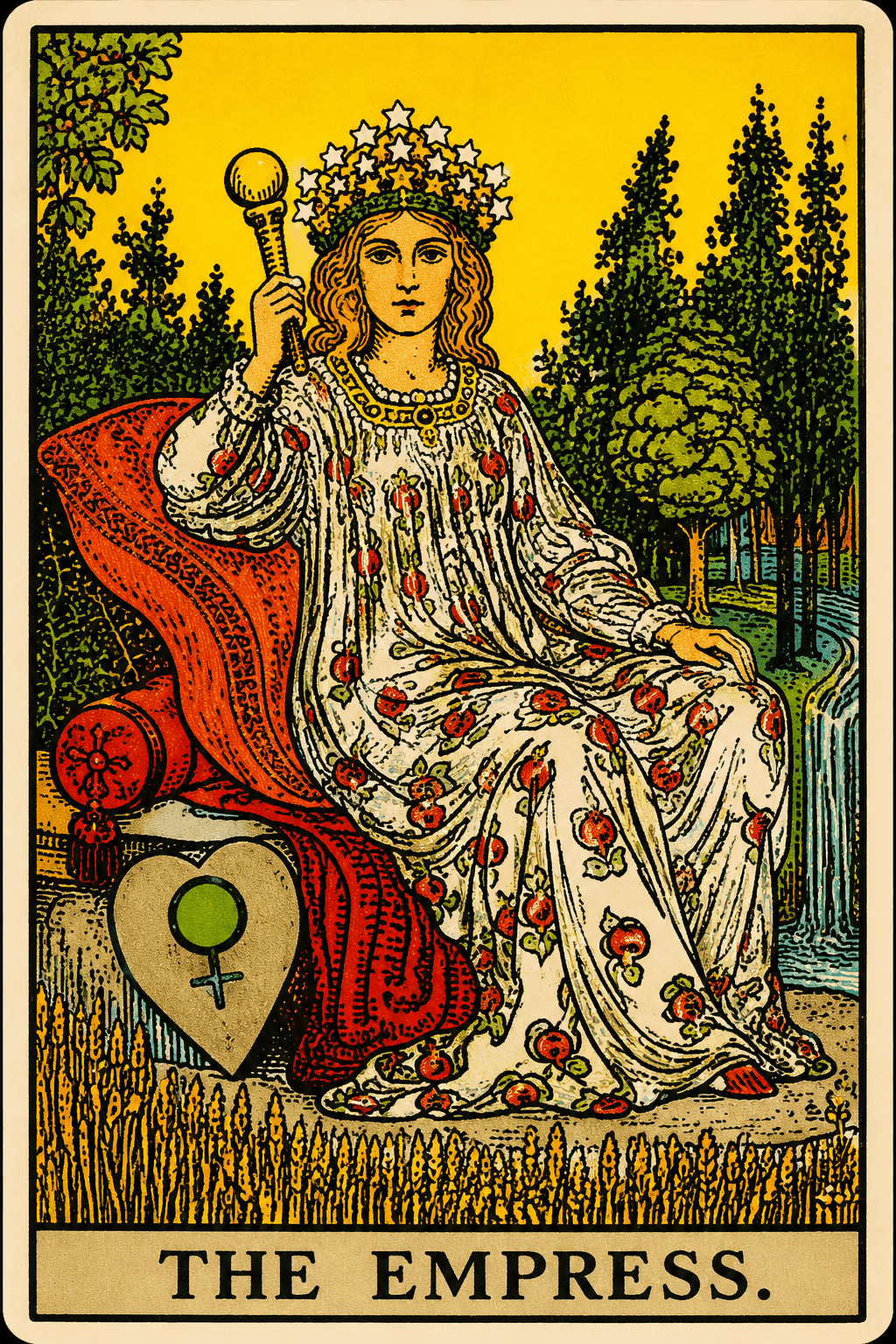
A tarot deck is 78 cards in a fixed structure: 22 Major Arcana numbered 0 to 21, and 56 Minor Arcana split into four suits running Ace through Ten plus four court cards. That structure is not a convention any single deck chose. It has been stable for centuries, and it is why a spread you learn today works with a deck you buy in ten years.
An oracle deck has whatever its creator decided: 30 cards, 44 cards, 108 cards, organised by moon phases or animals or emotions or nothing in particular. There is no shared structure across oracle decks, which means there is no shared body of meaning either. Every oracle deck is its own small language.
What tarot's structure actually buys you
Because the 78 are fixed, tarot has internal logic you can reason from rather than memorise. Every Ace is a beginning, every Ten a completion, every Five a form of conflict. The suit tells you the arena: Wands for drive, Cups for emotion, Swords for thought, Pentacles for the material. Number plus suit gets you close to a usable meaning for a card you have never consciously studied.
It also means the cards relate to each other. Three Swords in a spread says something about how much of this is happening in your head. A run of Major Arcana says the matter carries more weight than the everyday. That relational reading is only possible because the structure is shared, and it is the thing an oracle deck structurally cannot do.
What oracle decks are genuinely better at
Directness. Most oracle cards state their message on the face (RELEASE, or REST, or BEGIN AGAIN) which makes them immediate in a way tarot is not. For a quick morning pull where you want a single clear prompt rather than an interpretation, an oracle deck does that job with less friction and no reference sheet.
They are also unconstrained. A tarot deck cannot address something outside its 78 images, but an oracle deck can be built around anything: grief, creative work, a particular tradition. When a deck's subject matches what you are actually working through, that specificity is a real advantage, and it is why many readers who work mainly in tarot still keep one or two oracle decks.
Which to learn first
If you want to be reading something useful this week, start with oracle cards. If you want a skill that compounds, start with tarot. The honest trade is that tarot has a genuine learning curve, a few weeks before readings stop feeling like looking things up, and oracle cards have almost none, but oracle knowledge does not transfer to the next deck and tarot knowledge transfers to every deck forever.
The learning curve is also smaller than it looks from outside. You do not memorise 78 cards; you learn ten numbers, four suits, and 22 Major Arcana, and the structure fills in most of the rest. That is a fortnight of casual attention, not a course of study.
Using both without muddling them
The most common combination is to read the tarot spread first for the detail and the movement, then draw one oracle card as an overall theme. The tarot answers what is happening and the oracle names the tone. Keep them as separate steps rather than shuffling the decks together: mixed into one stack you lose the ability to tell which system produced which part of the reading.
One caution worth stating: adding an oracle card after a tarot reading you did not like is not a second opinion, it is a re-draw with extra steps. If you are reaching for the oracle deck because the tarot said something you would rather it had not, the useful move is to sit with the first answer.