Why three cards is the spread to learn first
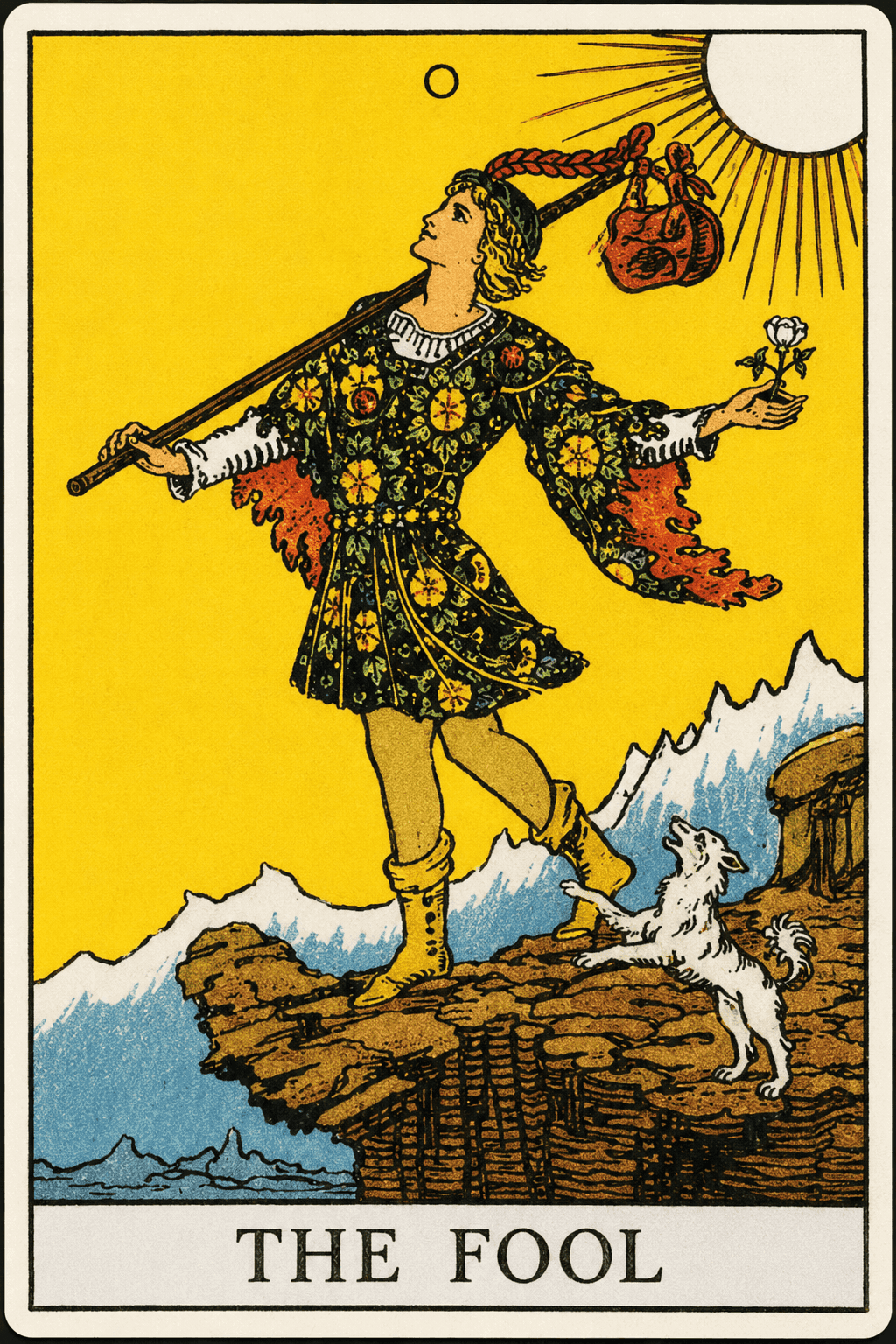
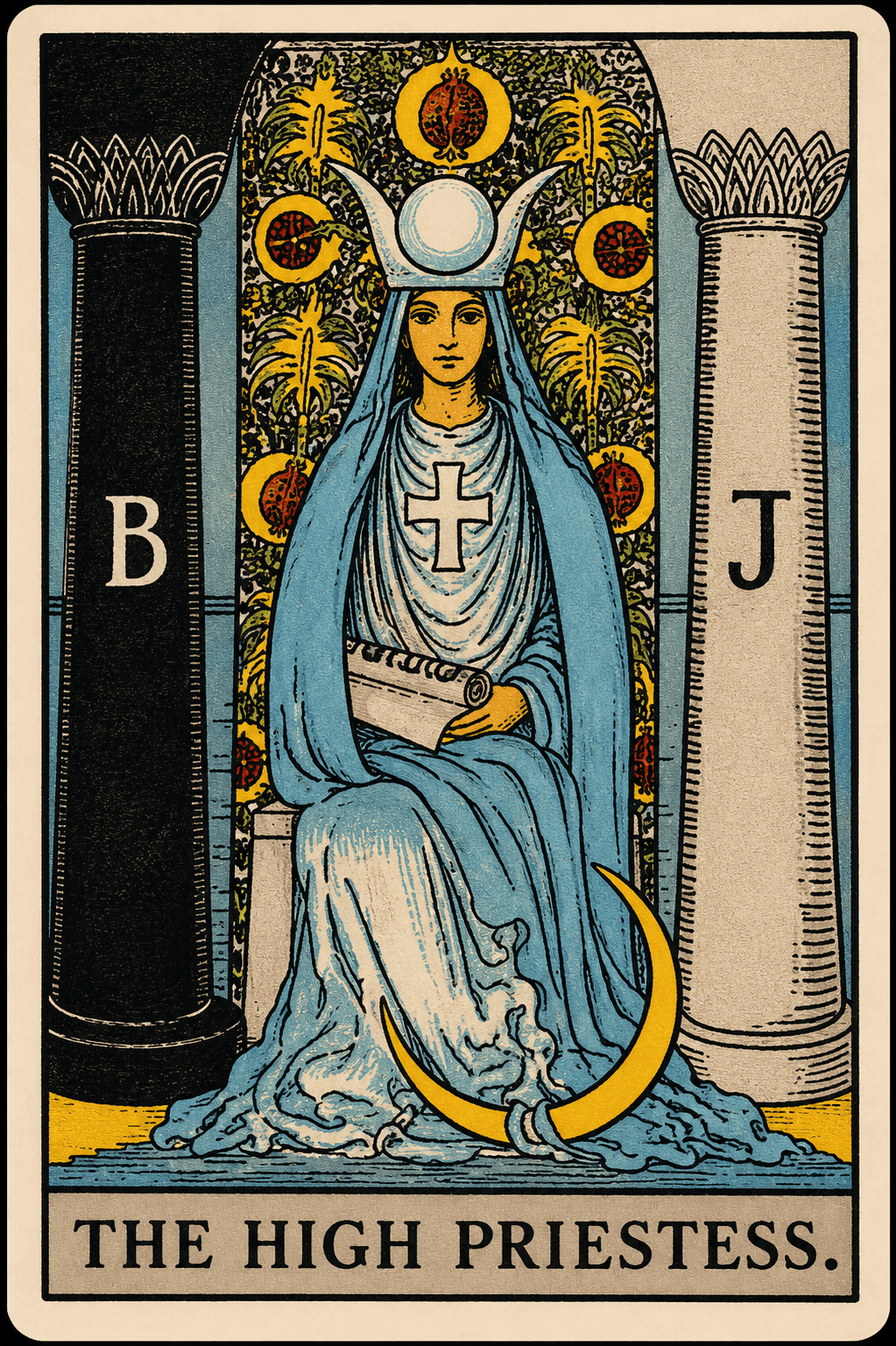
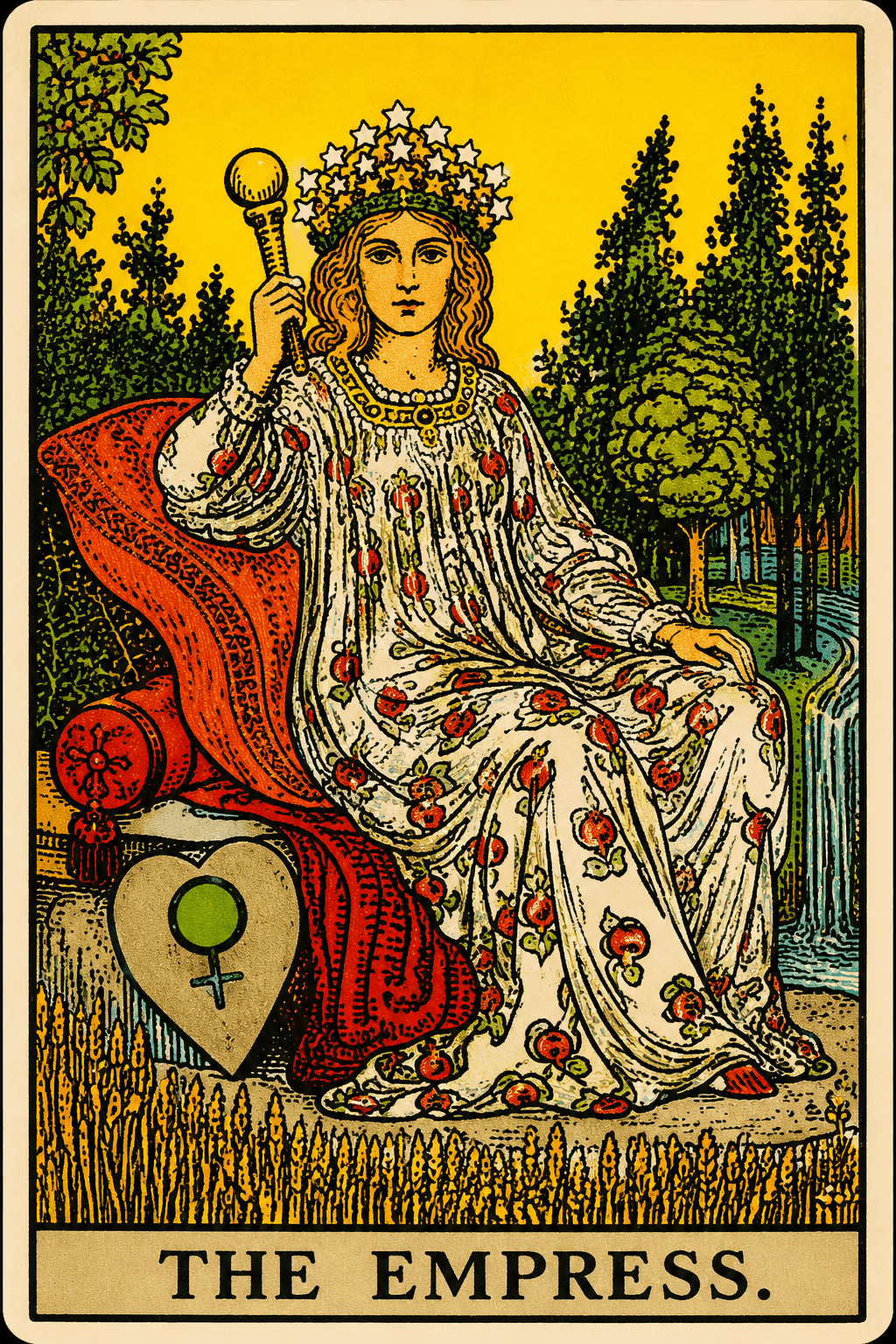
One card is a moment; ten cards is a maze. Three cards is the sweet spot: enough structure to tell a story, few enough that you can actually hold all of it in your head at once. If you learn one spread properly, learn this one, because most larger spreads are really just three-card logic repeated.
The classic assignment is past, present, future, and it's popular because it's intuitive. But the positions are just a frame you place over the cards to give them roles. Once you understand that, you can swap the frame to fit the question, and often you should.
Past, present, future, and stronger variations
Read straight, the three positions tell you where a situation came from, where it stands, and where its current momentum points. The 'future' card is the one people misread most: it isn't a fixed destiny, it's the trajectory you're on if nothing changes. That framing matters, because it turns the last card from a verdict into a choice.
When the question is a decision rather than a timeline, better frames exist. 'Situation / obstacle / advice' is my default: it names what's true, what's in the way, and what to do. 'Mind / body / heart' works for questions where you're internally split. 'What to keep / what to release / what to add' is excellent for a fresh start. The cards don't care which frame you use; pick the one that matches what you actually need to know.
Read the three as one sentence
The single biggest upgrade to a three-card reading is refusing to read the cards in isolation. Note each card's meaning individually, yes, but the reading only exists when you connect them into one continuous thought. The middle card usually anchors it; the outer two color and qualify it.
Say it out loud as a sentence and listen for whether it holds together: 'Because of X, I'm now facing Y, and the move is Z.' If the sentence is coherent and a little uncomfortable, you've probably read it right: good readings tend to name the thing you were avoiding naming. If it's coherent and comfortable, gently check whether you softened it to avoid the discomfort.
A worked example
Say the question is 'why do I keep stalling on this project?' and you draw the Eight of Cups, the Seven of Swords, and the Star. Read individually: walking away from something, quiet avoidance or self-deception, and renewed hope or clarity. Read as a list, that's just three keywords and no insight.
Read as a sentence, it comes alive: 'Part of me has already emotionally left this project (Eight of Cups); I've been avoiding admitting that, working around it instead of facing it (Seven of Swords); and the honest path forward is to stop forcing the old plan and let a cleaner version of the goal re-emerge (The Star).' That's not a prediction about the project. It's a mirror held up to your own stalling, and now you have something specific to do about it, which is the entire point of laying out three cards instead of one.